

Imagine a world where the invisible barrier between your product and the environment fails. The crispness of a preserved food item vanishes, replaced by staleness; the potency of a pharmaceutical compound degrades due to moisture; or the thermal efficiency of a building plummets because a window pane lost its gas fill. In the glass industry, the difference between a premium product and a failure often comes down to one microscopic factor: the seal. Whether we are discussing high-performance insulating glass units for skyscrapers or the glass packaging used for consumer goods, the principles of airtight sealing remain a cornerstone of quality and performance. Understanding how we compress materials to create an impermeable barrier is essential for anyone looking to source the best glass solutions.
The Art of Airtight Sealing: Ensuring Energy Savings and Production Process Efficiency in Insulating Glass Units
Achieving a true airtight status is an engineering feat that balances pressure and temperature, material science, and precision manufacturing. In the production process, particularly for insulating glass units (IGUs), the goal is hermetic sealing. This process ensures that the space between glass panes remains isolated from the external environment. This isolation is critical for energy savings, as it allows inert gas fills like argon to minimize heat transfer. Similarly, in the world of packaging, ensuring airtight closures involves managing high pressure and lower pressure environments to prevent deterioration of the contents.
Why is Seal Integrity Critical in the Glass Industry?
Seal integrity is the bedrock of reliability. In the broader glass industry, a seal failure can lead to catastrophic results. For architectural glass, a failed seal means moisture ingress, fogging, and a total loss of thermal performance. For glass packaging, a compromised seal allows oxygen to enter, triggering oxidation, chemical reactions, and ultimately, spoilage.
The materials we use to create these seals must resist corrosion and withstand significant temperature fluctuations. If a seal is too rigid, it may crack under thermal stress; if it is too soft, it may suffer from compression set, losing its ability to bounce back and fill the gap. Therefore, best practices in manufacturing demand a rigorous selection of polymer sealants and gasket materials that remain impermeable over time. By prioritizing seal integrity, manufacturers protect the end-user's investment, whether that investment is a high-rise building or a jar of premium cannabis flower.
How Does Gas Concentration Affect Thermal Performance and Freshness?
The role of gas is pivotal in modern glass technology. In insulating glass units, manufacturers inject an insulating gas—typically argon or krypton—into the cavity between panes. The gas concentration must remain high (usually above 90%) to ensure energy efficiency. If the seal allows leakage, the gas escapes, replaced by air, which conducts heat more readily, negating the energy-saving benefits.
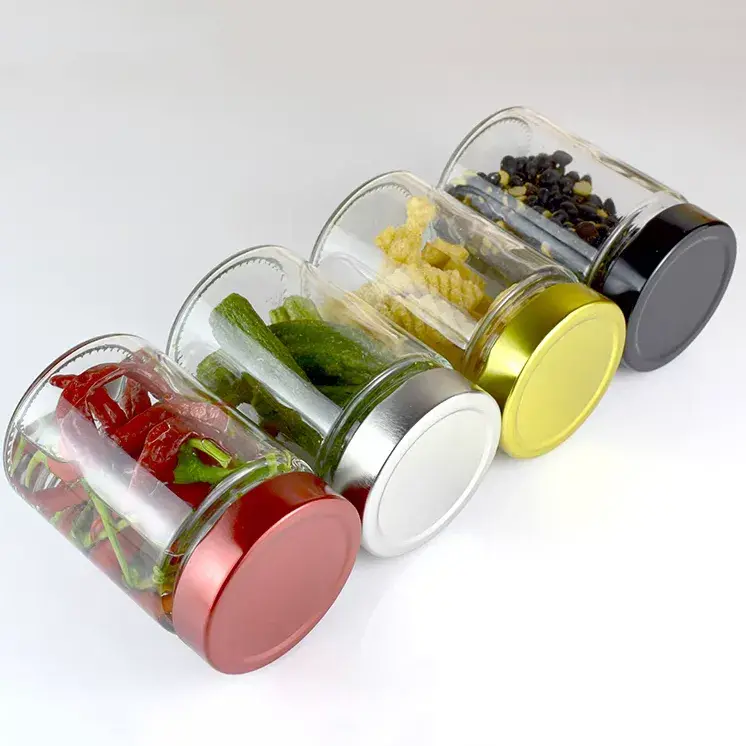
This concept parallels glass packaging. In many food and pharmaceutical applications, the headspace of a jar is flushed with nitrogen (another inert gas) to displace oxygen. Maintaining this specific gas concentration is vital to retard deterioration. If the closure allows gas leaks, the protective atmosphere is lost. Thus, the glass industry utilizes advanced technologies to monitor gas retention. A proper seal ensures that the gas you put in stays in, and the air quality outside stays out.
What Role Does Compression Play in Creating an Airtight Seal?
You cannot achieve an airtight bond without force. To create a robust seal, you must compress the sealing material—be it a rubber gasket, a foam liner, or a liquid sealant—against the glass surface. This compression forces the material to flow into the microscopic imperfections of the glass and the cap or spacer, creating a continuous barrier.
However, there is a delicate balance. Compress the material too little, and gaps remain. Compress it too much, and you risk damaging the gasket or the glass itself. In insulating glass units, the spacers are designed to maintain a specific distance while primary and secondary sealants are applied under pressure. In packaging, the torque applied to a screw cap generates the necessary vertical force to compress the liner. This is why airtightness requires precision equipment; variable manual tightening is rarely sufficient for industrial standards.
Furthermore, in the manufacturing facility itself, compressed air savings are a metric of efficiency. The machinery used to compress seals and assemble units relies on pneumatic systems. Optimizing these systems not only reduces energy consumption but also ensures consistent application of force, vital for seal effectiveness.
The Production Process: How Do We Achieve Hermetic Sealing?
The production process for hermetic sealing is a symphony of timing and chemistry. For insulating glass units, it typically involves a dual-seal system. A primary seal (often polyisobutylene) serves as the main barrier to gas and moisture, while a secondary seal (silicone or polysulfide) provides structural strength to hold the unit together.
- Preparation: The glass must be impeccably clean. Any dirt or oil can prevent the sealant from bonding, creating a path for leakage.
- Spacer Application: The spacer, containing a desiccant to absorb internal moisture, is positioned.
- Gas Filling and Pressing: The unit is assembled, often in a gas-filled chamber, and pressed to compress the primary sealant.
- Secondary Sealing: The final sealant is applied to the outer edge to protect the primary seal from the elements.
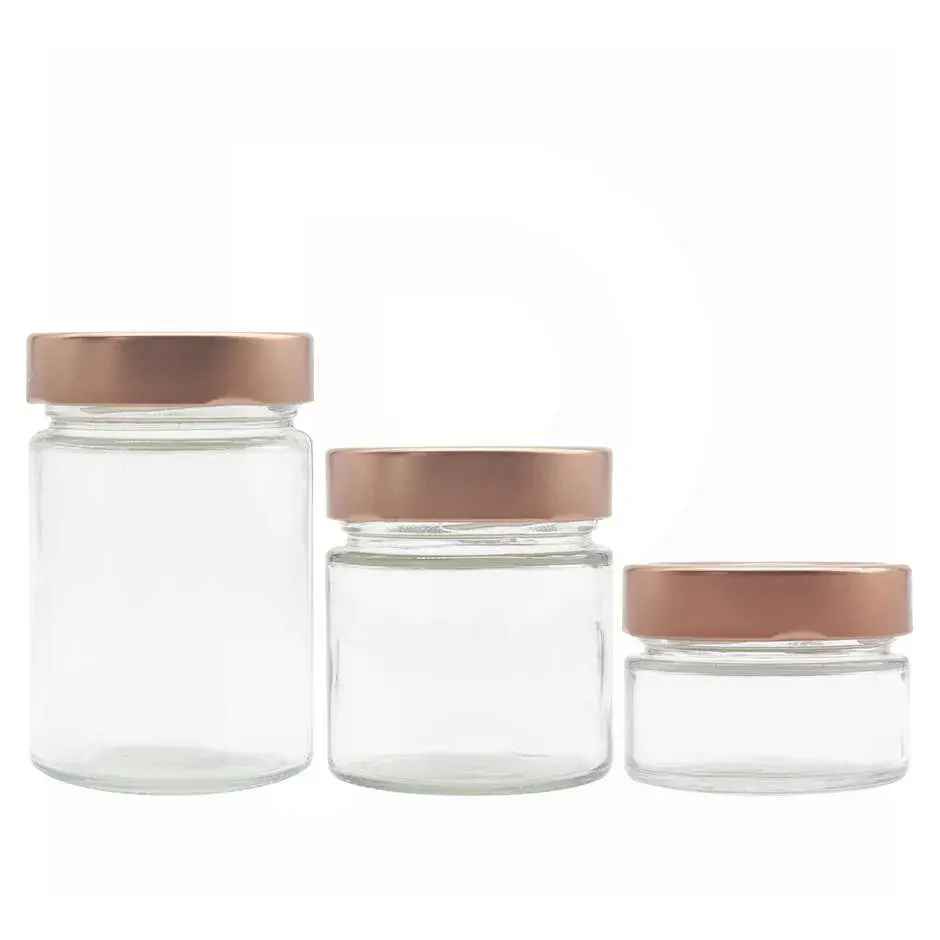
In glass packaging, the process involves heating the plastisol liner in a metal lug cap (for food jars) to soften it before capping. As the jar cools, the vacuum created pulls the lid down, further helping to compress the liner against the glass rim, creating a hermetic sealing effect. For other products, like our Chemical Glass Reagent Bottle, a precise PTFE liner is used to resist corrosive substances.
Detecting the Invisible: How Do Tracer Gases Identify Leakage?
How do you know if a seal is truly airtight? You cannot see a microscopic hole. To ensure quality, the glass industry employs tracer gases to detect even the faintest leakage. Helium is a common tracer gas because its small atomic size allows it to escape through leaks that larger molecules (like oxygen or nitrogen) might not pass through immediately.
During quality control, a unit or jar might be placed in a vacuum chamber. If there is a leak, the tracer gas inside the package will be drawn out and detected by a mass spectrometer. This method is incredibly sensitive and non-destructive. By monitoring gas concentration changes over time, manufacturers can predict the lifespan of an insulating glass unit or the shelf-life of a packaged product. If we detect a failure, the production process can be adjusted immediately to prevent waste.
Insulating Glass Units vs. Glass Packaging: Parallels in Sealing Technology
While a skyscraper window and a jar of jam seem different, they share the same enemy: permeability. Both rely on glass because it is impermeable and non-porous. However, the seal is always the vulnerability.
- Insulating Glass Units: Must withstand decades of temperature fluctuations, wind loads, and UV exposure. They use an alloy or composite spacer and multiple layers of sealants.
- Glass Packaging: Must withstand the rigors of shipping, varying storage conditions, and opening/reclosing by the consumer. They rely on the interaction between the closure (cap) and the glass finish.
Both sectors are fighting against pressure differentials. An IGU installed at a high altitude has lower pressure outside than inside, causing it to bow out. A jar sealed hot has lower pressure inside (vacuum), pulling the lid in. Understanding these forces helps us design better closures. For example, our Straight Side Glass Ergo Jar utilizes a deep metal stopper designed to maintain seal integrity under various pressures.
What Are the Best Practices for Preventing Deterioration?
To prevent the deterioration of the seal and the product it protects, several best practices must be followed:
- Material Compatibility: Ensure the gasket or sealant does not react chemically with the contents of the package or the gas fill. Some chemicals can weaken seals over time.
- Surface Preparation: As mentioned, the glass packaging rim must be free of defects. A chipped rim makes it impossible to compress the liner effectively.
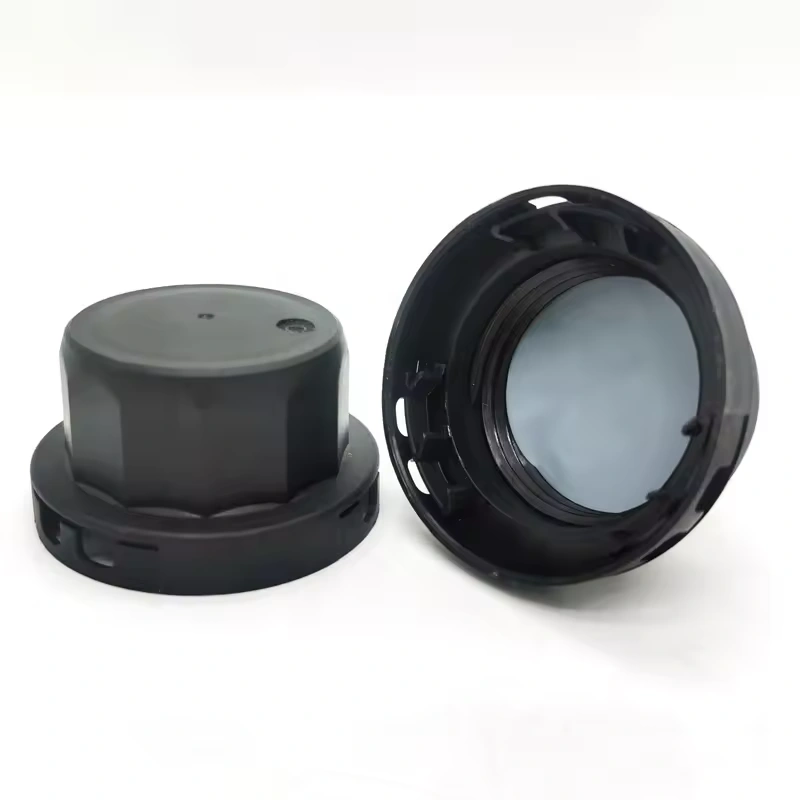
- Proper Torque: For screw caps, applying the correct torque is essential. Too little, and the seal is loose; too much, and you strip the threads or distort the cap.
- Environmental Control: Store sealed products in conditions that do not exceed the design specifications of the seal. Extreme heat can cause polymers to degrade or flow.
By adhering to these standards, we ensure that the airtight sealing remains intact. Whether it is a window keeping a home warm or a Dry Cannabis Flower Jar keeping product fresh, the science of the seal is what delivers value.
Conclusion
The quest for the perfect airtight barrier drives innovation across the glass industry. From the advanced technologies used to glaze and seal insulating glass units to the precise engineering of glass packaging closures, the goal is the same: absolute integrity. By understanding how to compress seals, utilize inert gas, and detect failures using tracer gases, manufacturers can guarantee energy savings, product freshness, and safety. Whether you are building a facade or bottling a beverage, remember that the quality of your product is only as good as the quality of your seal.
- Seal Integrity is Paramount: It prevents deterioration, oxidation, and corrosion.
- Compression is Key: You must adequately compress the gasket or liner to fill microscopic gaps.
- Gas Matters: Maintaining gas concentration (like argon) is vital for thermal performance in IGUs and freshness in packaging.
- Detection Ensures Quality: Using tracer gases to detect leakage prevents defective products from reaching the market.
- Glass is the Ideal Material: Its non-porous nature makes it the perfect substrate for hermetic sealing.
Post time: 12-30-2025