

Getting concentrate out of a glass jar can be simple when the product has the right texture, but it can become difficult when the material is sticky, thick, cold, crystallized, or spread along the bottom and corners of the container. The best method depends on the type of concentrate, storage temperature, jar shape, and tool being used.
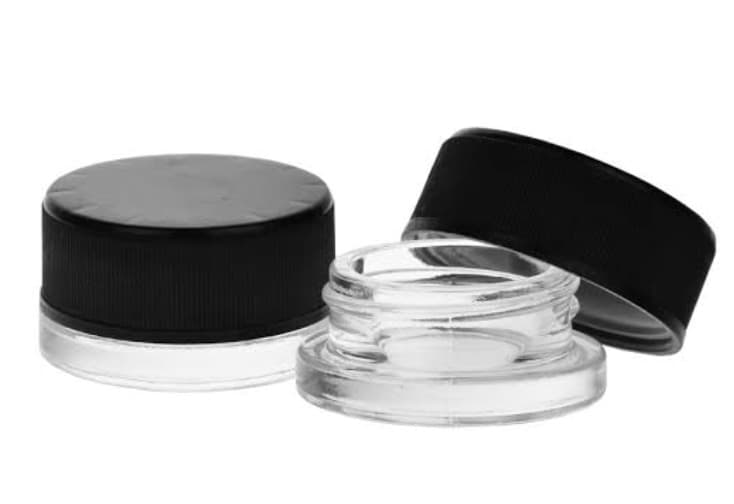
High-quality Glass Concentrate Jars are designed to protect concentrated products from contamination, odor transfer, moisture exposure, and unnecessary waste. However, users still need the right handling method to remove the product cleanly and safely.
Why Concentrate Sticks to Glass
Concentrates can stick to glass because of their natural viscosity, oil content, texture, and temperature sensitivity. Some products are soft and sauce-like, while others are waxy, crystalline, thick, or tacky.
Common reasons concentrate becomes hard to remove include:
- Low storage temperature
- Thick or sticky consistency
- Product spread into jar corners
- Narrow jar opening
- Residue on the inner wall
- Long storage time
- Exposure to air or moisture
- Using the wrong removal tool
Glass itself is a good storage material because it is smooth, nonporous, and resistant to odor absorption. Still, sticky materials can cling to almost any surface if they are cold or highly viscous.
Use the Right Tool
The easiest way to get concentrate out of a glass jar is to use a clean, suitable tool. A small dab tool, stainless steel spatula, glass tool, silicone-tipped tool, or lab-style scoop may help remove material from the bottom and side walls.
Avoid using dirty tools, sharp objects that can chip glass, or materials that may react with the product. Clean tools help reduce contamination and preserve product quality.
For small jars, a narrow tool with a flat or rounded tip often works best. It can reach corners and scrape the base more efficiently.
Warm the Jar Gently
If the concentrate is too thick or hard, gentle warming can make it easier to handle. The key word is gentle. Excessive heat can change texture, aroma, or quality.
Safe warming methods may include:
- Holding the closed jar in your hands for a few minutes
- Placing the sealed jar in a warm room
- Setting the jar near mild ambient warmth
- Allowing the jar to reach room temperature naturally
Avoid direct flame, boiling water, ovens, microwaves, or extreme heat. Sudden temperature changes can stress glass and may affect the concentrate.
Let Cold Concentrate Reach Room Temperature
If the jar has been stored in a refrigerator or cool place, the concentrate may become firmer. Letting the jar sit at room temperature for a short time often makes removal easier.
This method is especially useful for thicker materials that become stiff when cold. Once the product softens slightly, it can usually be collected with less force and less waste.
Scrape Along the Curved Bottom
Many Glass Concentrate Jars have a small base radius or curved interior. Instead of pushing straight down, angle the tool and scrape along the curve of the glass. This helps collect material from the bottom edge where residue often gathers.
Move slowly and avoid excessive pressure. A controlled motion protects the tool, the jar, and the product.
Use a Silicone Insert When Appropriate
Some users place compatible silicone liners or inserts inside glass jars to make sticky materials easier to remove. Silicone can reduce sticking and make cleanup simpler.
However, inserts should be made from suitable material and should match the intended product. For premium packaging or long-term storage, many brands still prefer direct glass contact because glass offers strong odor resistance and a clean presentation.
Avoid Metal Tools That Can Damage the Jar
Stainless steel tools are commonly used, but they should be smooth and used carefully. Sharp metal edges can scratch or chip glass if forced against the jar.
Do not use knives, screwdrivers, needles, or improvised sharp tools. These can damage the container and create safety risks.
How to Reduce Waste
To remove as much concentrate as possible:
- Use a small, flat-tipped tool.
- Let cold material reach room temperature.
- Scrape slowly along the jar bottom.
- Rotate the jar while collecting product.
- Keep the jar upright when possible.
- Store the jar with the lid sealed.
- Avoid spreading product across the side walls.
- Choose a jar size that matches the fill volume.
A properly sized jar helps reduce residue because the product is easier to reach and does not spread too thinly across the interior.
Why Jar Design Matters
Jar design affects how easy the product is to remove. A good concentrate jar should have a practical opening, smooth inner surface, stable base, and reliable closure.
Important packaging features include:
- Wide mouth opening
- Smooth glass interior
- Thick, stable base
- Compatible cap and liner
- Good sealing performance
- Appropriate capacity
- Clean appearance
- Easy labeling area
- Durable glass wall
For brands, choosing the right jar improves both product protection and customer experience.
Cleaning an Empty Glass Jar
After the product is finished, the jar may contain residue. Cleaning depends on the product type and intended reuse.
For general cleaning, users may wipe the inside with a suitable cloth or use warm water and mild soap if the jar is meant for non-sensitive reuse. The jar should be fully dried before storage.
If the jar was used for regulated or specialty products, follow the relevant handling and disposal guidance for that product category.
Storage Tips for Easier Removal
Good storage habits can make concentrate easier to remove later.
Helpful practices include:
- Keep the lid tightly closed.
- Store the jar upright.
- Avoid extreme heat.
- Avoid freezing unless recommended.
- Protect from moisture.
- Keep away from direct sunlight.
- Use the right jar size.
- Keep tools clean before contact.
These simple steps help preserve consistency and reduce waste.
Conclusion
To get concentrate out of a glass jar, use a clean, suitable tool, allow cold material to reach room temperature, warm the jar gently if needed, and scrape carefully along the bottom and sides. Avoid sharp objects, excessive heat, and sudden temperature changes.
Well-designed Glass Concentrate Jars make product handling easier by offering a smooth interior, secure closure, stable base, and clean storage environment. For brands and packaging buyers, the right jar helps protect product quality while improving the user experience.
For glass concentrate jar product information, visit Eagle Bottle.
Post time: 08-12-2026