

The landscape of the cannabis industry is shifting under our feet, moving rapidly from a niche market to a heavily regulated global powerhouse. As we approach the new year, the rules governing how products are presented to consumers are becoming stricter and more nuanced. For business owners and manufacturers, staying ahead of these changes isn't just about avoiding fines; it's about survival. Ensuring your products hit the shelves without legal hiccups requires a deep dive into the evolving world of compliance. This guide explores the critical standards you need to meet to keep your brand safe, legal, and successful.
In the fast-paced world of the cannabis industry, the only constant is change, particularly when it comes to packaging regulations. As we look toward 2025, the scrutiny on cannabis packaging and label requirements is intensifying. Regulatory bodies are tightening their grip to ensure consumer safety, specifically regarding child-resistant packaging and clear content labeling. For any cannabis brand or manufacturer, understanding these shifts is vital. Your cannabis product is judged not just by the quality of the flower or oil inside, but by whether the packaging meets the rigorous packaging compliance standards set by state and local authorities.
Failure to adhere to these packaging rules can lead to devastating consequences, including product recalls and hefty fines. Conversely, a compliant cannabis strategy that integrates robust packaging solutions with aesthetic appeal can set a brand apart. Whether you are selling cannabis flower, edibles, or concentrates, the packaging must serve as both a shield for the product and a beacon of information for the consumer. This article details the essential packaging and labeling requirements you must master to navigate the complex regulatory waters.
Why Compliance is the Foundation of Your Cannabis Business
Compliance is the bedrock upon which successful cannabis brands are built. In an industry where cannabis remains federally illegal in many jurisdictions while being legal at the state level, the packaging compliance landscape is a patchwork of state regulations. Every cannabis business must prioritize packaging that adheres to these laws to maintain their license to operate.
The primary goal of these regulations is product safety. Packaging serves as the first line of defense against contamination and accidental access. Compliant packaging ensures that the product remains fresh and potent while preventing children under five from accessing the contents. If your packaging fails to meet these standards, the penalty can be severe, ranging from the destruction of inventory to the suspension of business operations. Therefore, viewing packaging simply as a container is a mistake; it is a critical component of your legal strategy.
Essential Requirements: Child-Resistant and Tamper-Evident Packaging
One of the most universal rules across all markets is the mandate for child-resistant packaging. Drawing from the Poison Prevention Packaging Act, regulations typically require that packaging must be significantly difficult for children under five years of age to open within a reasonable time, yet not difficult for normal adults to use properly. This often involves specific testing protocols certified by the Consumer Product Safety Commission.
For a cannabis package to be truly compliant, it must often be both child-resistant and tamper-evident packaging. Tamper-evident features, such as plastic seals, breakaway bands, or foil liners, provide visible evidence if the package must have been opened or manipulated. This builds consumer trust and satisfies regulatory demands. Whether you are using a glass jar for flower or a tube for pre-rolls, the packaging design must incorporate these safety mechanisms.
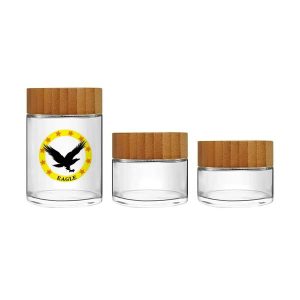
For example, our Dry Cannabis Flower Jar W/ Bamboo CRC Cap combines aesthetic appeal with the rigorous child-resistant packaging standards required by law, ensuring your product packaging is safe and stylish.
Decoding Label Requirements: What Must Be Clearly Displayed?
The label on a cannabis product is more than just branding; it is a legal document. Label requirements are incredibly specific and vary by state, but there are common elements that every cannabis label must include. The labeling of cannabis products is designed to inform the consumer exactly what they are ingesting.
Generally, the primary panel of all cannabis goods must display the product name, the universal cannabis symbol, and the net weight. The informational panel usually requires the thc content (often expressed as total THC in milligrams), CBD content, and a detailed list of ingredients. Furthermore, the font size and type are often regulated; the text must be clearly legible, often requiring a minimum font size (e.g., no smaller than 6 point or 1/16th of an inch) to ensure readability.
Cannabis labeling also demands strict adherence to health warnings. A health warning statement, mandated by the state, must usually appear on the packaging. This text often warns against driving under the influence or use by pregnant women. Failure to use the correct font or omitting a required phrase can render the entire batch non-compliant.
Specific Rules for Edibles and Flower Packaging
Packaging regulations often differentiate based on product type. Edibles, in particular, face the strictest scrutiny because they can easily be mistaken for regular food or candy by children. Consequently, edible cannabis products must often be placed in opaque packaging once opened, or the immediate container itself must be opaque to ensure the product is not visible.
Furthermore, packaging for cannabis edibles must not appeal to children. This means avoiding bright colors, cartoons, or imagery that mimics popular candy brands. Allergen information is also critical for edible cannabis products. Just like mainstream food, any allergen present (nuts, soy, dairy) must be listed.
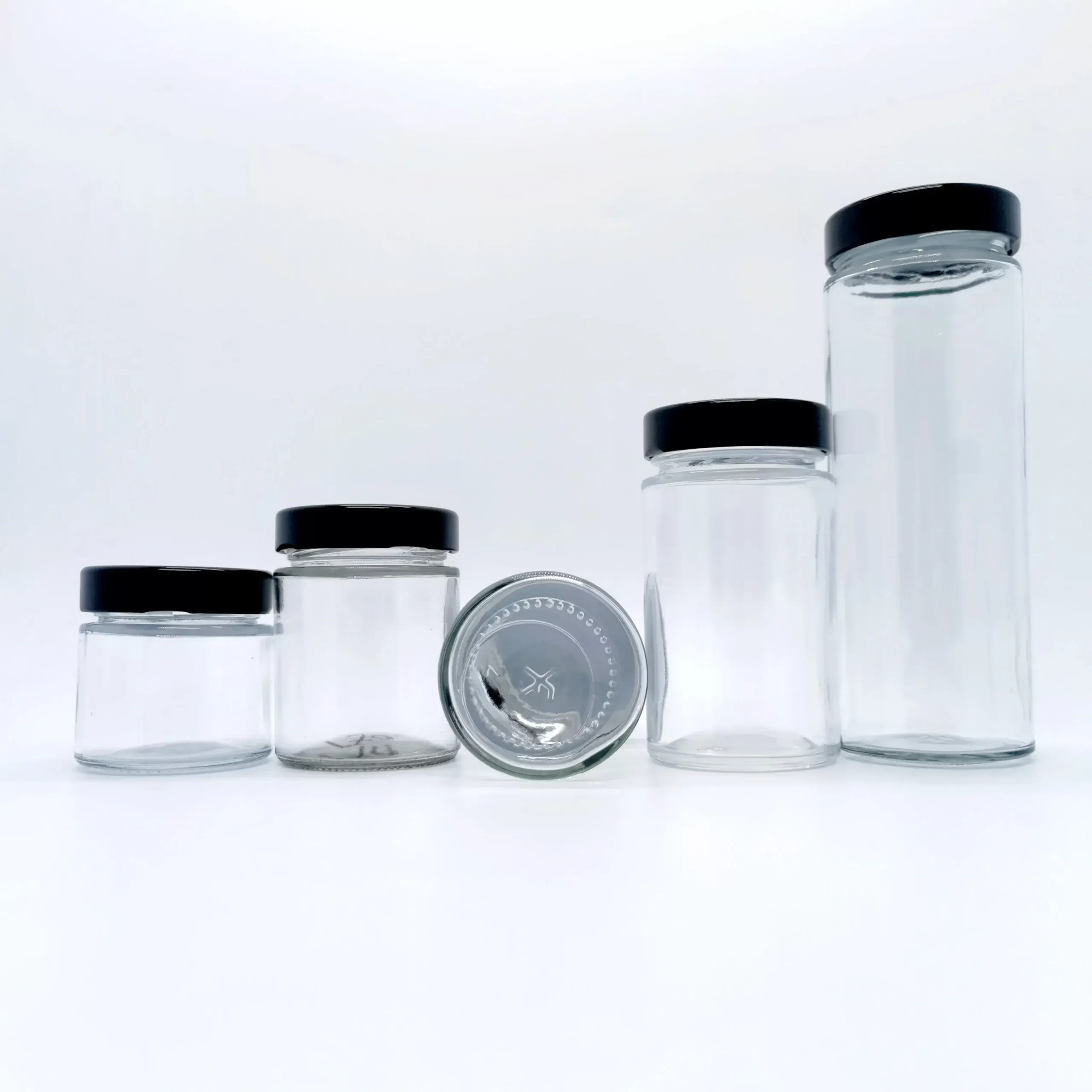
Flower packaging, on the other hand, focuses heavily on thc potency and strain information. The packaging must protect the integrity of the cannabis flower while providing the necessary content labeling. Glass jars are a popular packaging solution here, as they preserve freshness while offering a surface for the extensive labeling required.
The Universal Cannabis Symbol and Content Labeling
A key component of cannabis packaging compliance is the universal cannabis symbol. This icon acts as an immediate visual cue that the product containing the substance is cannabis. The universal cannabis symbol must be placed prominently on the label, ensuring it is easily recognized.
Beyond the symbol, accurate content labeling regarding potency is non-negotiable. Consumers need to know the thc and cbd content per serving and per package. For edibles, listing the serving size and the number of servings is a standard packaging requirement. This prevents overconsumption and helps users dose responsible. The calculation of total THC must be precise, as discrepancies between the label and actual lab results can lead to a penalty or recall.
Our Custom Cannabis CBD Jar w/ CRC Cap provides ample space for all required product labeling, ensuring your cannabis package communicates essential data clearly.
Balancing Brand Aesthetics with Strict Packaging Regulations
One of the biggest challenges for cannabis brands is creating a unique identity within the confines of strict packaging standards. While the packaging needs to be child-resistant and tamper-evident, it also needs to look good on the shelf. The challenge lies in designing packaging that attracts adult consumers without violating rules against appealing to minors.
Packaging design plays a huge role here. Brands can use high-quality materials, tactile finishes, and sophisticated color palettes to signal quality. However, the label placement must not be obscured by design elements. All packaging and labeling must work in harmony. The font choice for branding can be distinct, provided the regulatory text remains within the required font size and style parameters.
Ultimately, compliant packaging does not have to be boring. By working with a knowledgeable product manufacturer, you can achieve a balance where your brand shines while the packaging meets every legal requirement.
State Regulations vs. Federal Ambiguity: How to Stay Compliant
Navigating the cannabis industry requires a keen understanding of the tension between federal and state regulations. Since cannabis remains federally illegal, there is no single national standard for packaging. Instead, a cannabis business must adapt to the specific state regulations of every market they enter.
For instance, a label that is compliant in California might fail in Colorado due to differences in the required health warning text or the size of the universal cannabis symbol. Some states require packaging must be opaque upon exit from the dispensary, while others require the immediate cannabis package to be opaque.
To stay compliant, companies must rigorously monitor changes in cannabis control laws. Regulations continue to evolve, and what was acceptable in 2024 might not meet the packaging and labeling requirements of 2025. Partnering with a supplier who understands these nuances is essential.
Avoiding Penalties: The Cost of Non-Compliance
The cost of ignoring packaging regulations goes far beyond the price of the packaging materials. If a cannabis product is found to have non-compliant packaging, the penalty can be financially crippling. State agencies actively inspect dispensaries and manufacturing facilities. Violations can result in the quarantine of products, mandatory relabeling (at great expense), or total product destruction.
Furthermore, repeated violations regarding packaging compliance can put your operating license at risk. In an industry as competitive as cannabis, losing your ability to sell for even a few weeks can destroy a brand. Investing in high-quality, compliant cannabis packaging upfront is an insurance policy against these risks. It ensures that your product packaging and labeling will pass inspection and keep your business running smoothly.
Choosing the Right Packaging Solutions for Your Product Type
Selecting the right packaging solutions involves analyzing your specific product type and its unique needs. Cannabis flower requires packaging that maintains humidity and prevents crushing, such as glass jars with child-resistant packaging caps. Concentrates need non-stick containers that are also tamper-evident.
For edibles, the packaging must offer a barrier against moisture and air to preserve freshness, while strictly adhering to opaque packaging rules where applicable. Every cannabis package you choose must be evaluated against the current cannabis packaging regulations.
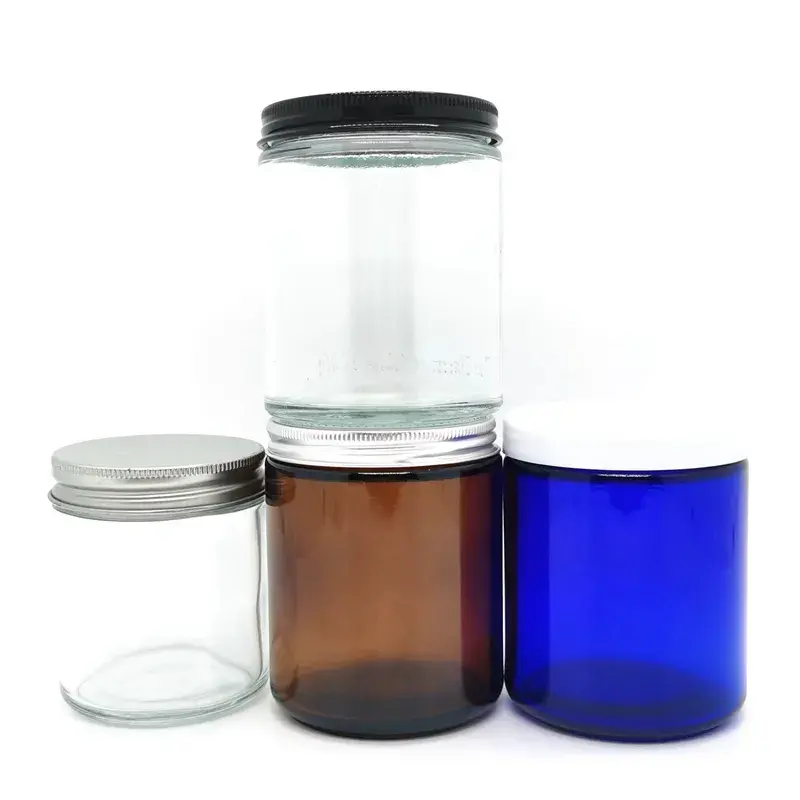
Using versatile containers like our Child Proof Straight Sided Jar allows for flexibility across different product lines while ensuring that the packaging remains difficult for children under five to access.

Summary of Key Factors for 2025
As we move into 2025, the focus on packaging and labeling of cannabis will only sharpen. To ensure your cannabis goods remain on the shelf and in the hands of happy customers, keep these pillars in mind:
- Child-Resistance is Key: Ensure all packaging is certified child-resistant packaging and difficult for children to open.
- Label Accuracy: Double-check that your label includes the universal cannabis symbol, correct thc content, and all mandated health warnings in the correct font size.
- Tamper-Evidence: Always use tamper-evident features to ensure product safety.
- State Specificity: strict adherence to the state regulations where your product is sold is mandatory.
- Opacity for Edibles: Remember that edible cannabis products often require opaque packaging to prevent them from appealing to children.
- Stay Updated: Regulations continue to evolve; stay informed to ensure your cannabis packaging compliance strategy is up to date.
By prioritizing these elements, you can navigate the complex world of cannabis packaging with confidence.
Post time: 01-16-2026