


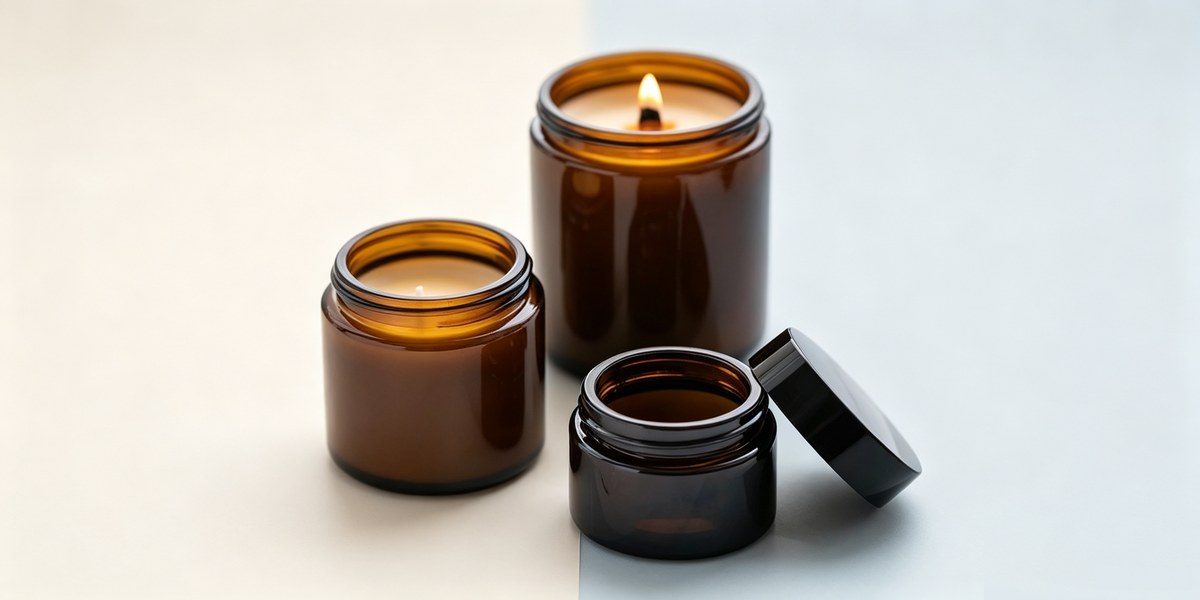
Buyer's Guide
What Are Amber Glass Jars? Uses, Benefits & Buying Guide
Amber glass jars are brown-tinted containers that protect light-sensitive products. Here's how to choose the right size, neck finish and cap.
Aug 19, 2026
The glass-versus-plastic debate is usually argued on sustainability grounds. But for a buyer placing a production order, the decision comes down to five practical things: product stability, brand perception, shipping cost, regulatory fit and unit economics. Here is an honest comparison.
Glass wins on product protection, perceived quality and chemical inertness. Plastic wins on weight, breakage resistance and unit price. Most premium oils, serums, fragrances and concentrates end up in glass for one specific reason: the product inside reacts with plastic over time.
Glass is chemically inert. It does not leach, does not absorb the product, and does not let oxygen pass through. Plastic (especially PET and HDPE) is slightly permeable — over months, this means:
If your formulation contains volatile oils, alcohol, or acidic components, glass is not a preference — it is a requirement.
| Property | Glass | PET plastic |
|---|---|---|
| Oxygen barrier | Excellent (zero transmission) | Moderate — slow ingress over time |
| Moisture barrier | Excellent | Good |
| UV protection | Excellent with amber glass | Poor unless treated |
| Chemical resistance | Excellent | Varies by polymer and formula |
| Heat resistance | High | Limited (deforms above ~60 °C) |
Weight is the first thing a customer notices. A glass bottle is roughly three to five times heavier than an equivalent PET bottle, and consumers read that weight as quality. For fragrance, cosmetics and premium food, this alone justifies the material cost.
Glass also takes decoration better. Frosting, hot stamping, screen printing and electroplating all produce a noticeably more expensive result on glass.
This is the real cost of glass:
For a low-margin, high-volume product shipped long distances, plastic often makes more commercial sense. For anything premium where the packaging is part of the product experience, the glass cost is easily absorbed.
Glass is infinitely recyclable and made from abundant natural materials (sand, soda ash, limestone). Plastic is lighter to transport, which lowers the carbon footprint per shipment, but recycles poorly in practice and persists in the environment.
Most brands now find that glass aligns better with what their customers expect, particularly in Europe and North America where packaging waste is a visible consumer issue.
Glass is universally accepted for food, cosmetic and pharmaceutical contact and is FDA-compliant. For cannabis and CBD products in particular, many jurisdictions either require or strongly favour child-resistant glass. Plastic containers for these categories face a patchwork of additional rules.
| Choose glass if… | Choose plastic if… |
|---|---|
| Product contains volatile oils or alcohol | Product is water-based and stable |
| Brand positioning is premium or natural | Price is the primary competitive factor |
| Long shelf life matters | Shipping weight dominates your cost |
| UV protection is needed (amber glass) | Breakage risk is unacceptable (e.g. gyms, children) |
| You need child-resistant certification | Short product life cycle |
At the same volume, a glass bottle typically costs two to four times more per unit than a comparable PET bottle. But the difference shrinks once you account for:
For most brands selling above the commodity tier, glass pays for itself in pricing power alone.
"Nice seals. The glass is heavy with sturdy lids, just as described. Worked great for our needs — we would buy again."
"I’m happy with everything — no complaints at all. Shoutout to the supplier and the workers, very good job!"
Prefer to buy through a platform? Find our verified storefronts below — same factory, same factory-direct pricing.
Buyer guides and packaging know-how from the Eaglebottle team.
Amber glass jars are brown-tinted containers that protect light-sensitive products. Here's how to choose the right size, neck finish and cap.
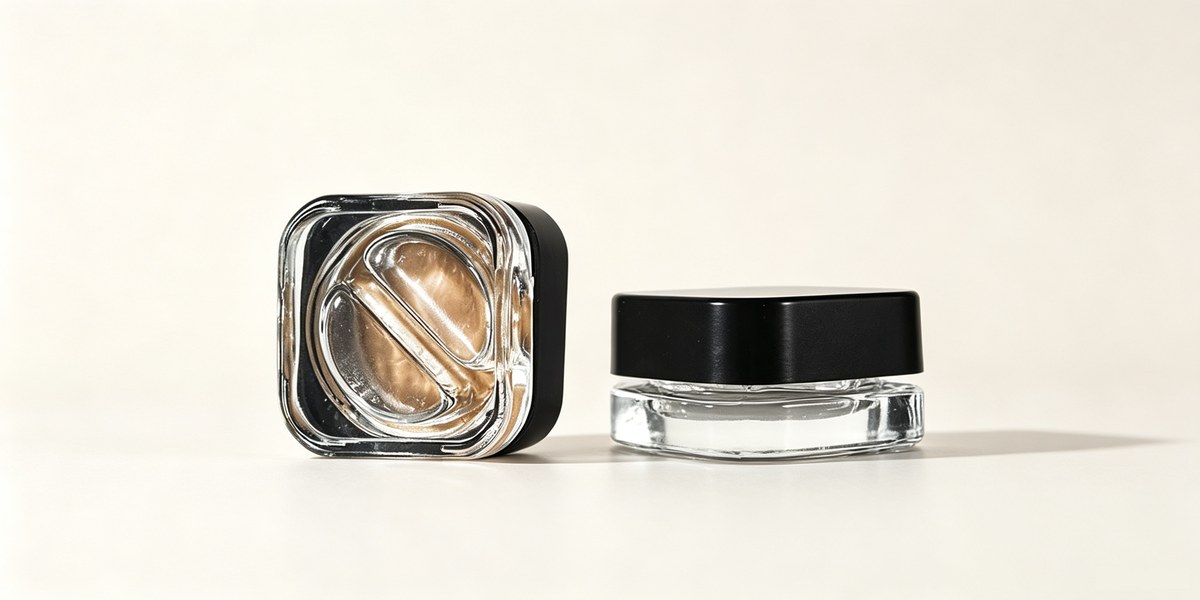
Sticky, cold or crystallized material can be hard to remove. These techniques protect your jars and your product.
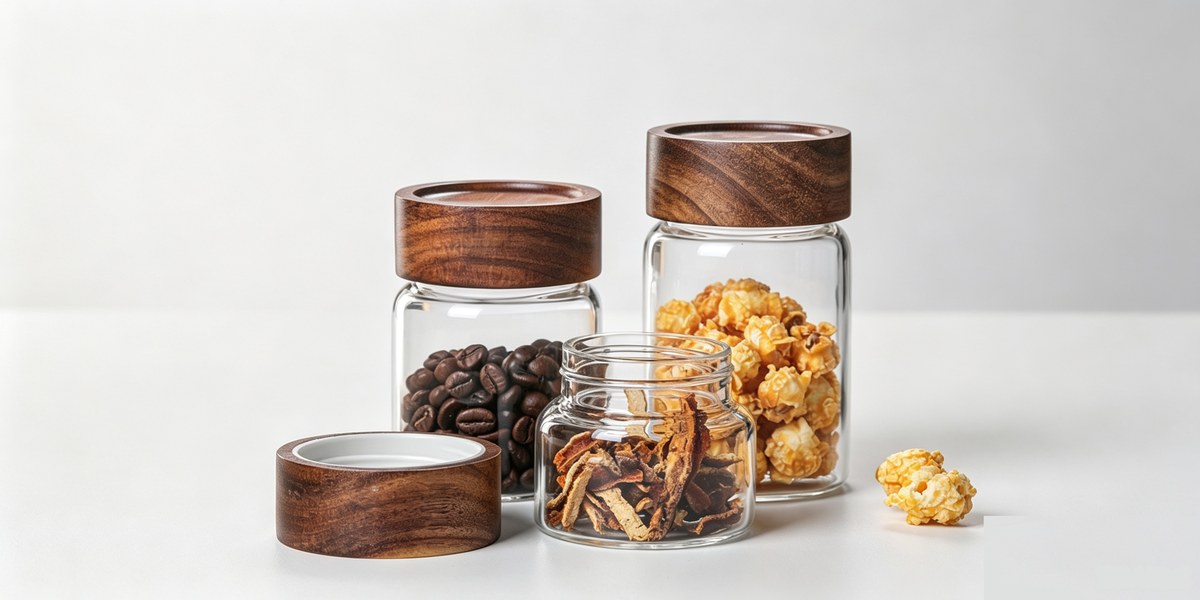
From specialty manufacturers to packaging factories — what to check before ordering borosilicate glass for your products.
A clear, repeatable process — so you always know what happens next and when your shipment leaves.
Tell us your sizes, quantities and decoration ideas — free samples are available before you commit.
Contact Us Today