


OEM Guide
Custom Glass Bottles: Mold Cost, Lead Time and Process
Stock moulds, modified moulds and fully custom tooling compared — cost drivers, stage-by-stage lead times and launch planning.
Oct 17, 2026
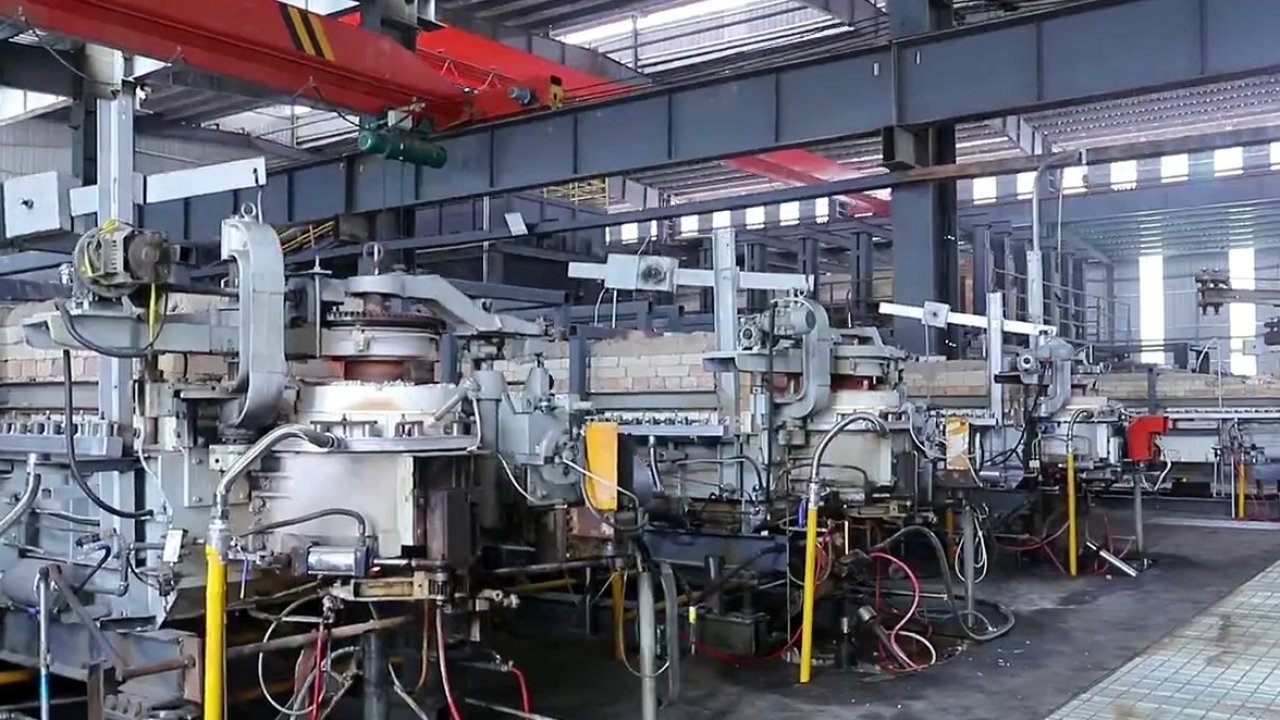
Search “glass bottle manufacturer” and you get hundreds of thousands of results, most showing the same stock photographs of furnace lines and palletised cartons. Quotations for what looks like the same bottle routinely land forty percent apart. Almost none of that spread is visible on a website, and that asymmetry is precisely why buyers get burned: the two things that actually decide whether your launch lands on time have nothing to do with photography. The first is who physically melts the glass. The second is whether that party has produced this particular bottle before. This guide is the checklist we would want any buyer to run before wiring a deposit — including the parts where the honest answer is that we are not the right factory for the job. It covers telling a factory from a trading company, checking a certificate rather than admiring it, matching your volume to the right scale of supplier, reading a quotation properly, and the red flags worth ending a conversation over.
Vetting is not one decision, it is seven. Each one can be passed or failed independently, and knowing which one you are asking about keeps the process from turning into a vague feeling about whether you trust someone.
| Check | The question it answers | Where it goes wrong |
|---|---|---|
| 1. Identity | Do they own the furnace? | Trading companies presenting as factories |
| 2. Documentation | Are the certificates real, current and scoped to your product? | Expired, borrowed or mis-scoped certificates |
| 3. Capacity fit | Does your volume matter to them? | A too-large factory where nobody pays attention |
| 4. Quality control | What specifically gets inspected, and can you see it? | Generic certificates instead of lot-level evidence |
| 5. Quotation structure | Is the price complete or just the visible part? | Mould, freight and packing excluded from the headline |
| 6. Payment terms | Who carries the risk, and where does the money go? | Full prepayment to a personal account |
| 7. Communication | Do they ask technical questions before quoting? | Instant quotes with no questions asked |
A substantial share of the suppliers presenting themselves as manufacturers on B2B platforms do not own a furnace. That is not automatically bad. A good trading company consolidates small orders across several factories, handles multi-category sourcing, negotiates freight better than you can, and is sometimes easier to work with than a factory whose export desk is one person answering messages at midnight. But you are entitled to know which one you are paying, because it changes who controls your production schedule, how defects get resolved, and how much you are paying above cost.
Seven ways to find out, in rough order of how quickly they work:
For the record on where we sit: Xuzhou Eagle Glass is a manufacturer, founded in 2008, operating a 20,000 m² site with five furnaces and twelve production lines. Saying so publicly means the claims above should be checked against us as readily as against anyone else.
Three different documents get circulated interchangeably in this industry, and conflating them is how buyers end up with paperwork that looks impressive and proves nothing about the goods in the container.
| Document | What it proves | What it does not prove | How to check it |
|---|---|---|---|
| Management system certificate (ISO 9001 and similar) | A documented quality process exists and was audited. Useful signal about the organisation. | Anything whatsoever about your bottles. It certifies a system, not a product. | Certificate number and issuing body, verified on the registrar’s own site. Confirm the registrant legal name matches the business licence and that dates are current. |
| Batch test report (third-party laboratory, per production lot) | Test results for that specific lot — dimensional checks, thermal shock, heavy metals migration, CR protocol testing where applicable. | Anything about the next lot. A report from March says nothing about November. | Lot number must correspond to your production order; report date must fall after your run. |
| Regulatory / compliance documents (FDA food-contact, EU framework compliance, CE, state-level requirements such as California Prop 65, child-resistance certification) | That the product is admissible in the market you are selling into. | That every SKU you buy is covered. Scope matters enormously — a food-contact statement for clear soda-lime does not automatically extend to a sprayed or coloured variant. | Ask for the declaration naming your specific article and colourway, not the product family. |
The failure modes are repetitive. Certificates quietly expired. Certificate scope covering a trading entity rather than the factory producing your goods. An “SGS audited factory” claim that turns out to refer to a single pre-shipment inspection somebody paid for three years ago. A scanner-copy with the company name changed. None of these require expertise to catch — they require asking for the certificate number and spending two minutes on the issuer’s website.
One practice worth adopting on every order: request the lot-specific documentation rather than the generic certificate PDF. Our own factory issues third-party laboratory reports per batch alongside ISO 9001, FDA, SGS and CE documentation, and asking for the report tied to your production run is reasonable and free. It should be normal practice, not an awkward request.
The instinct is to find the largest factory available on the theory that scale guarantees professionalism. In practice what matters is what fraction of that capacity your order represents, because that fraction determines how much attention you receive when something goes wrong.
| Your realistic annual volume | What usually fits | What tends to go wrong |
|---|---|---|
| Under 5,000 pcs per SKU | A factory with genuinely low stock-mould minimums, or a consolidator | Every real glassworks has an economic batch floor; expect to buy into existing shapes |
| 5,000 – 50,000 pcs | A mid-sized specialist with several lines | Getting squeezed behind larger accounts during peak season — ask about scheduling policy |
| 50,000 – 500,000 pcs | A dedicated multi-line manufacturer | Being one of many mid-size accounts; negotiate capacity allocation in writing |
| Above 500,000 pcs or complex new tooling | Large manufacturer, or dual-sourcing across two plants | Single-point failure risk. If it is one container per month, know what happens if that line goes down |
Specialisation cuts the other way too. A supplier who genuinely makes everything — beverage, perfume, food, pharmaceutical, with every decoration method in house — often means a network of subcontractors rather than one integrated plant. Depth in your category beats breadth across all of them, and it shows up in how precisely they talk about your specific failure modes.
Being straight about our own shape: with five furnaces and twelve lines we are neither the smallest nor the largest option, and we are a poor fit for some projects. A 500-piece artisan run, a highly specialised ceramic glaze, or a bottle requiring a finish we do not hold tooling for — these are better served elsewhere, and we would rather say so in the first email than discover it in month three.
Every supplier claims to inspect. The useful question is which defects they look for and how, because glass has a specific and fairly short list of things that go wrong.
| Defect | Why it matters | How it is caught |
|---|---|---|
| Bubbles and stones | Cosmetic reject in premium packaging; stones can be sharp | Automatic optical inspection plus manual light inspection |
| Wall thickness variation | Weak points that crack during filling, thermal shock or transit | Thickness gauging at set points on sample pieces |
| Neck finish deformation | The bottle will not seal — a functional failure, not cosmetic | Go/no-go gauges on every finish dimension |
| Poor annealing (residual stress) | Bottles crack later, sometimes after filling, sometimes at the customer | Polarised light stress inspection |
| Capacity outside tolerance | Under-fill claims, dosing device misfit, label inaccuracy | Gravimetric or volumetric check on sample pieces |
| Colour/shade drift between batches | Visible shelf inconsistency across a re-order | Retained reference samples compared against each new run |
Two things belong in writing before production. First, the inspection standard you are both working to — normally an AQL-based attribute check naming acceptable defect levels and what happens if a lot fails. Second, that you receive pre-shipment evidence from your actual lot: photographs of the packed pallets and cartons with your markings, plus the dimensional and inspection report for that run. A photograph of a nice-looking bottle from last year’s catalogue is not evidence.
Unit price is one line of roughly nine that should appear on a serious quotation. Missing lines are where the surprises live.
When one quote comes in twenty percent below everyone else, there is almost always a structural reason rather than a bargain. Thinner walls and lower glass weight. A higher tolerated defect rate. A different packing specification that saves cost and arrives damaged. Mould fees excluded and billed later. Or simply a mistake that will be discovered once you have committed. Ask which it is — the supplier’s answer to that question tells you more than the price did.
Standard practice for export glass packaging is a telegraphic transfer split — commonly thirty percent deposit with the balance against bill of lading — or a letter of credit at sight for larger deals. Tooling is normally paid up front because it is supplier-specific expenditure that cannot be recovered if you walk away.
The term that should end a conversation is a request to pay into a personal account, particularly one in a country unrelated to the supplier. Bank details should match the legal entity on the business licence and the proforma invoice. Full prepayment before any production evidence exists is unnecessary risk for a first order; if a supplier insists on it with no track record between you, treat that as a signal rather than a policy.
Samples are not a formality. Each tier answers a different question, and skipping tiers is how buyers approve a bottle that has never been tested with their closure.
Paid samples are usually a positive signal rather than a negative one — it means the supplier is dedicating real machine time rather than pulling something dusty off a shelf. What is reasonable is that the sample cost is credited against your first production order.
"Nice seals. The glass is heavy with sturdy lids, just as described. Worked great for our needs — we would buy again."
"I’m happy with everything — no complaints at all. Shoutout to the supplier and the workers, very good job!"
Prefer to buy through a platform? Find our verified storefronts below — same factory, same factory-direct pricing.
Buyer guides and packaging know-how from the Eaglebottle team.
Stock moulds, modified moulds and fully custom tooling compared — cost drivers, stage-by-stage lead times and launch planning.
Master carton sizing, cell dividers, closure protection and palletising that decide whether your tubes arrive intact.

Silk-screen, hot stamping and acid etching compared — cost, durability, MOQ and which products each method suits.

Pressure ratings, UV colour choice, hot-fill compatibility and closure selection for cold-pressed juice, kombucha and cold brew.
Shrink bands, tear tabs, breakable rings and induction seals compared — and how to pair them with CR closures.
Fill points, pipette length, capping torque, filling methods and batch math for small tincture runs.

16 CFR 1700 baseline, exit bags, tamper-evident rules and three practical points for buyers.

Nine stages, documents, landed cost, shipping methods, payment terms and five mistakes buyers repeat.
What amber glass blocks, the stock sizes and finishes, closure options and how to specify them.
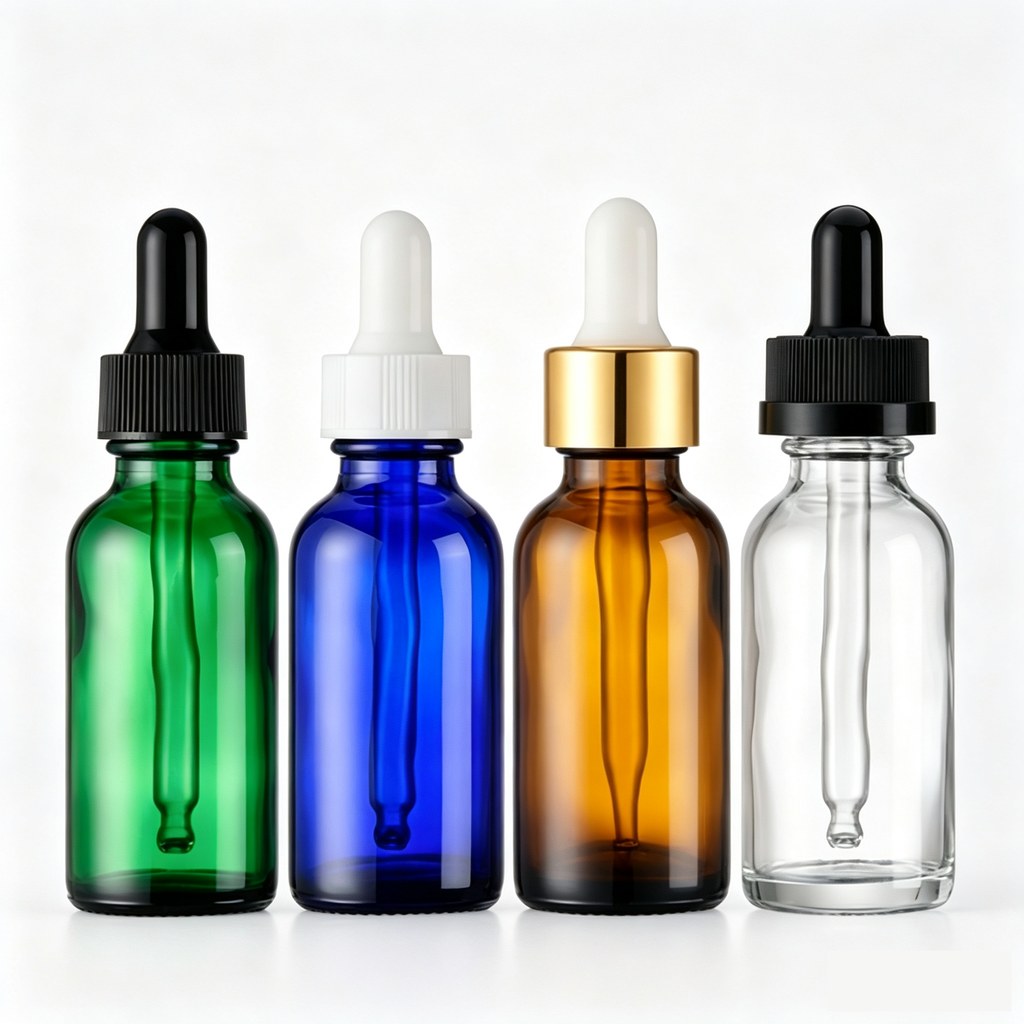
CR dropper designs, the test protocol, tincture sizes and how to verify certification.
84–120 mm lengths for 0.5 g–2 g pre-rolls, CR pop-top closures and wholesale MOQ explained.
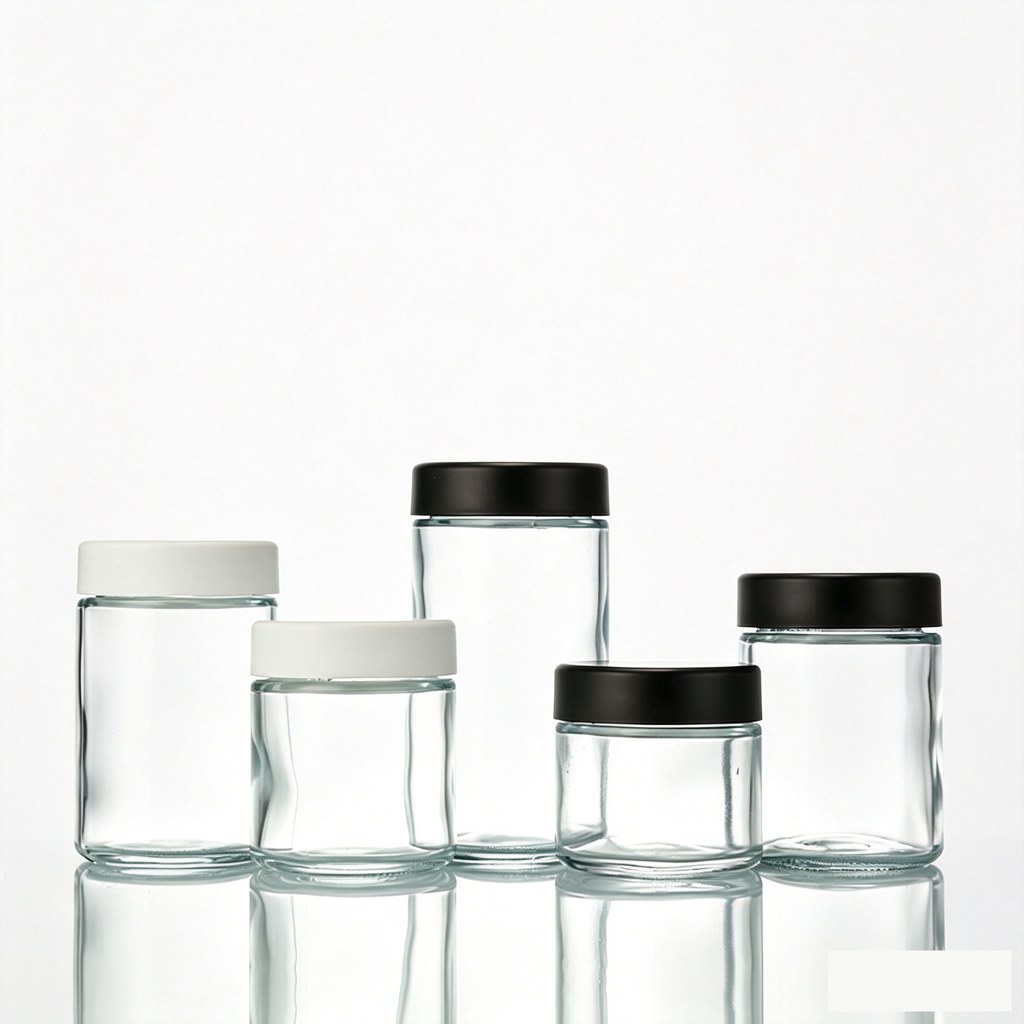
The 55–62% window, humidity packs, seal testing and what "airtight" really specifies.
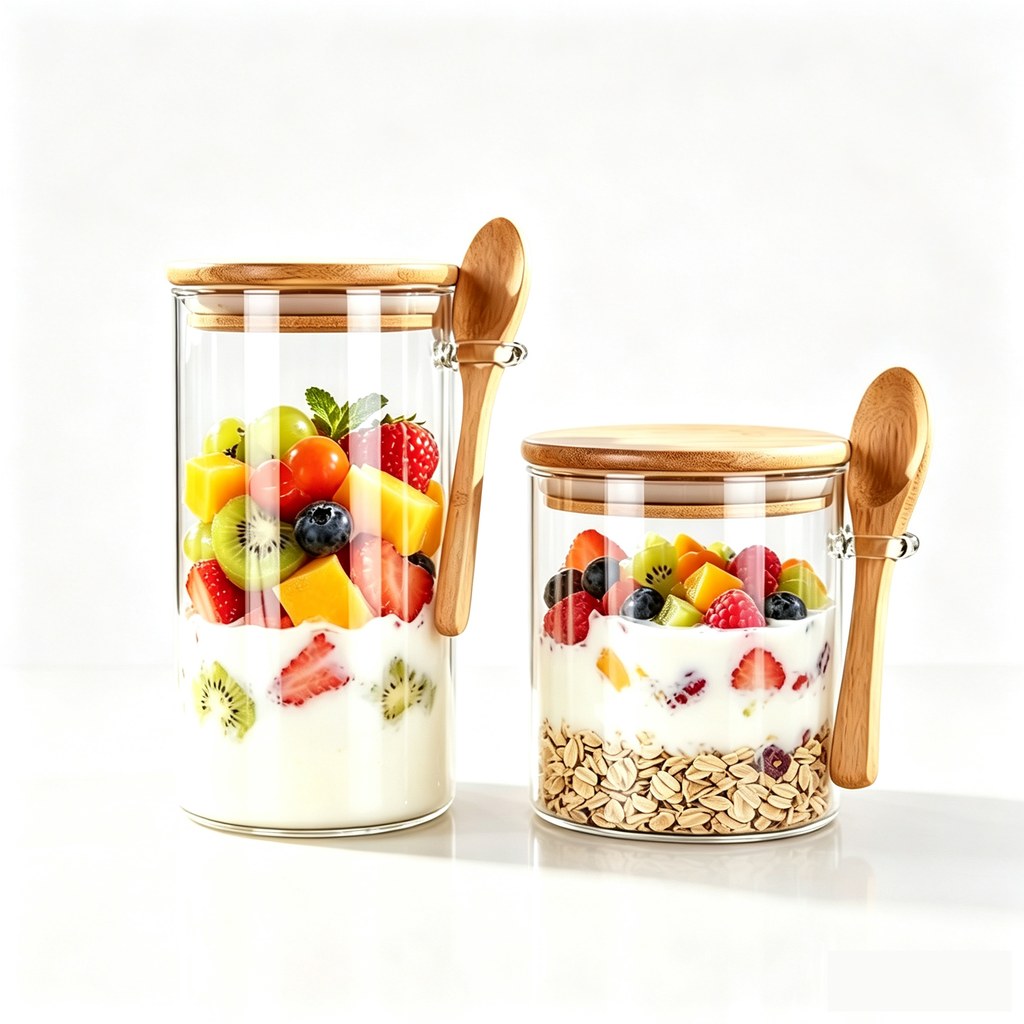
Neck finishes from 38 to 110 mm, fill and pour performance, closure cost and freight.
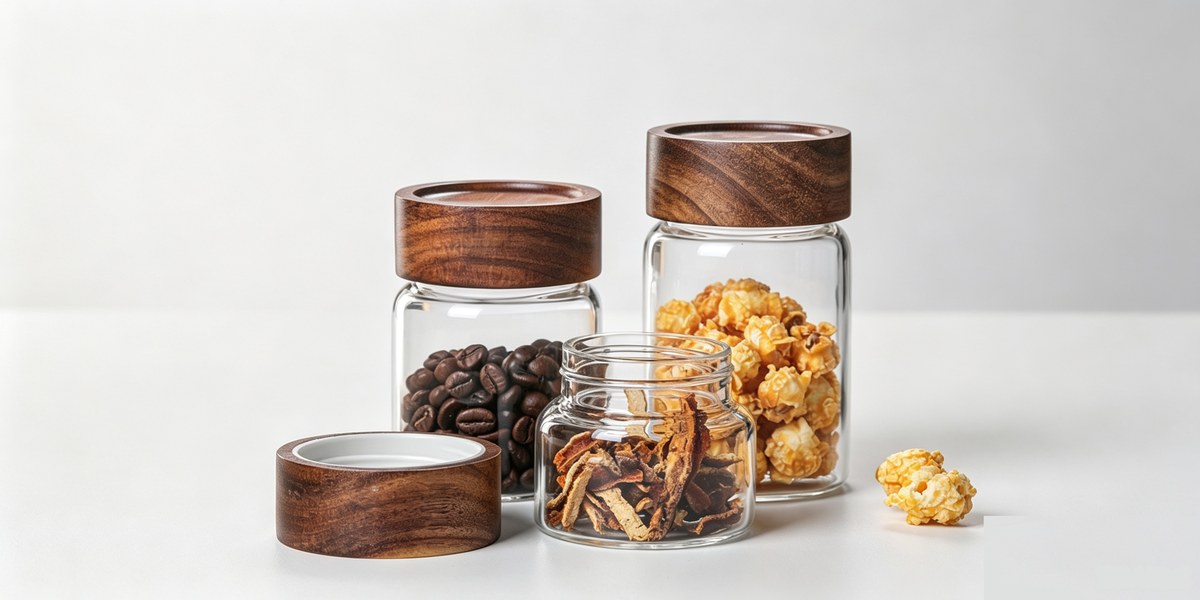
Raw materials, 1,550 °C melting, blow and press molding, annealing, inspection and export packing — explained for buyers.
Sizes from 5 ml to 100 ml, amber vs cobalt vs clear, child-resistant closures and neck finishes.
Product stability, barrier properties, brand perception, shipping cost and real unit economics.
What each size is really for, spray counts, crimp vs screw closures and how to plan your range.
Nine stages, the documents you need, landed cost and the five costly mistakes.
Typical minimums by product, price tiers and five ways to lower your MOQ.
Capacity vs brimful, neck finishes like 18/415, tolerances and closure fit.
16 CFR 1700, ASTM D3475 and Health Canada requirements side by side.
What the test panels measure, closure classes, and what to demand from suppliers.
Sizing, glass type, airtight seals and the North American compliance checklist.
UV protection, cost and shelf appeal compared — plus a decision framework.
Sizing, glass vs silicone, CR closures and how to cut product left in the jar.
Neck finish codes like 53-400, liner selection and how to test a seal.
A clear, repeatable process — so you always know what happens next and when your shipment leaves.
Tell us shape, capacity, quantity and decoration. We send a detailed quote within 24 hours.
Stock samples ship in 3 days; custom pre-production samples in 7–15 days, so you can test before ordering.
5 furnaces and 12 lines run your order, with automatic inspection plus SGS/ISO checks — photos and reports before shipment.
Export cartons and pallets, FOB Shanghai / Qingdao / Ningbo, or DDP straight to your warehouse.
Who we are, what we make, and how we work — the questions overseas buyers ask before their first order.
Eaglebottle is the export brand of Xuzhou Eagle Glass Co., Ltd., a large-scale glass products manufacturer and exporter based in Xuzhou, Jiangsu, China. Operating since 2008, the factory runs 5 furnaces and 12 production lines with more than 3,000 product varieties, serving brands in over 40 countries.
We manufacture eight glass packaging categories: cannabis flower jars, pre-roll tubes and vape cartridges, concentrate jars, dropper and tincture bottles, perfume bottles, reed diffuser bottles, food jars and beverage bottles. Stock molds cover most standard sizes, and custom shapes are made with dedicated tooling.
Yes. We produce custom glass from your drawing, sample or even a photo reference. Mold opening is free for standard shapes, and our design team prepares mock-ups for approval before mass production. Decoration options include silk-screen printing, hot stamping, frosted finishing, spray coating, electroplating and embossing.
The factory is SGS and ISO 9001 certified and the glass meets FDA and CE requirements for food contact. Every order passes automatic inspection on the line plus manual spot checks, and we send photos and inspection reports before shipment so you know exactly what is in the container.
Yes. Mixed sizes in one container are accepted, in-stock items ship in smaller trial quantities, and free samples are available before you commit. Our team guides first-time importers through shipping terms, packaging and documentation, with replies in English within 24 hours.
Our factory is in Xuzhou, Jiangsu Province, China, about 2 hours from Shanghai by high-speed rail. Factory visits and live video tours are welcome, so you can inspect the furnaces, production lines and quality control process yourself before placing an order.
Tell us your sizes, quantities and decoration ideas — free samples are available before you commit.
Contact Us Today