


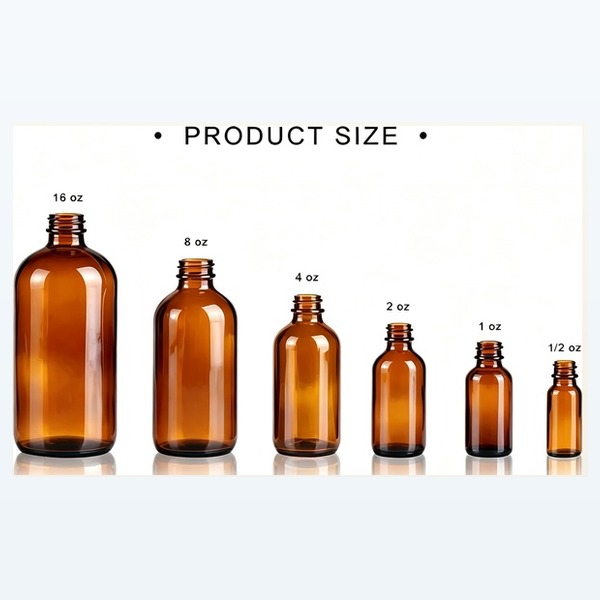
Buyer's Guide
How to Choose the Right Dropper Bottle for Essential Oils
Sizes from 5 ml to 100 ml, amber vs cobalt vs clear, child-resistant closures and neck finishes.
Sep 13, 2026
Buyers spend hours on the jar and five minutes on the cap. That is backwards. The closure is what keeps the product sealed, compliant and alive — and it is where most packaging failures actually happen. Here are the three closure families and how to read the numbers on a spec sheet.
The most common closure in packaging. A continuous spiral thread engages as you turn. It opens and recloses reliably dozens of times, which makes it the right choice for anything the customer will get into more than once — flower jars, concentrate jars, tincture bottles, food jars.
A lug cap has short interrupted lugs rather than a full spiral. A quarter turn engages or releases it. The real reason to use lug closures is vacuum sealing after hot filling: the cap is applied while the product is hot, and as it cools the internal vacuum pulls the lid down and holds the seal. That makes lug caps standard for jams, sauces and preserves — and a poor fit for products that need to be reopened often.
CR closures are two-piece: an outer shell that spins freely unless the user performs a deliberate action (push down and turn, or squeeze and turn), and an inner cap that actually engages the thread. They are mandated for certain cannabis and pharmaceutical products.
The critical point for buyers: CR performance is a property of the jar and closure together, not of the cap alone. A certified cap on an untested jar can fail. Always ask for the test report covering the exact combination you are buying.
You will see codes like 53-400, 58-400 or 18-415. They break down simply:
| Part | Meaning |
|---|---|
| First number (53, 58, 18) | Nominal diameter of the neck opening in millimetres |
| Second number (400, 410, 415, 425) | Thread style and depth. 400 is the standard single-lead thread; 410, 415 and 425 are double-lead variants designed to open with less turning. |
A 53-400 jar needs a 53-400 cap. It is not interchangeable with a 53-410 cap, even though both are "53 mm". Getting this wrong is one of the most common sourcing errors, and it usually shows up as leaks in transit rather than at the filling line.
| Liner | Good for | Watch out for |
|---|---|---|
| PE foam / EPE | General dry goods, flower, food | Limited chemical resistance |
| PTFE-lined foam | Essential oils, concentrates, aggressive formulations | Higher unit cost |
| Foil / induction seal | Tamper evidence and long shelf life | Single-use; needs heat sealing equipment |
| Pulp / paperboard | Dry powders and supplements | Not for liquids or volatiles |
| Plastisol | Hot-filled foods under vacuum | Requires lug closure and a vacuum process |
For cannabis flower and concentrates, a foam liner with an inert facing is the usual answer: it compresses enough to seal against glass, and it does not interact with terpenes or oils.
| Product | Closure | Liner |
|---|---|---|
| Cannabis flower | CR cap, push-and-turn | Foam with inert facing |
| Concentrates / wax | CR or flat cap, low profile | PTFE-lined foam |
| Essential oils / tinctures | CR dropper or screw cap | PTFE-lined |
| Jam, honey, sauces | Lug / twist-off | Plastisol |
| Spices and dry powders | Screw cap or shaker | Pulp or sifter fitment |
| Perfume and fragrance | Crimped pump or screw | N/A — integral to the pump |
Jars and bottles share the same closure families, but bottles add a few specialised options worth knowing before you specify:
| Closure | Used on | Key consideration |
|---|---|---|
| Dropper cap (18-415, 20-400) | Tinctures, essential oils | Pipette length must suit the bottle height, and the bulb and pipette are supplied as a matched set |
| Fine mist sprayer | Room sprays, facial toners | The crimp or screw attachment decides whether the bottle can be refilled |
| Crimp pump | Perfume | Permanent — the bottle is not intended to be reopened |
| Disc-top cap | Lotions, gels | Single-handed operation; check the flow rate |
| Lotion pump | Body care | Dose per stroke, and whether it locks for shipping |
Removal torque is the measurable proxy for a good seal. Rather than guessing, agree a numeric range with your supplier and test every run against it:
"Nice seals. The glass is heavy with sturdy lids, just as described. Worked great for our needs — we would buy again."
"I’m happy with everything — no complaints at all. Shoutout to the supplier and the workers, very good job!"
Prefer to buy through a platform? Find our verified storefronts below — same factory, same factory-direct pricing.
Buyer guides and packaging know-how from the Eaglebottle team.
Sizes from 5 ml to 100 ml, amber vs cobalt vs clear, child-resistant closures and neck finishes.
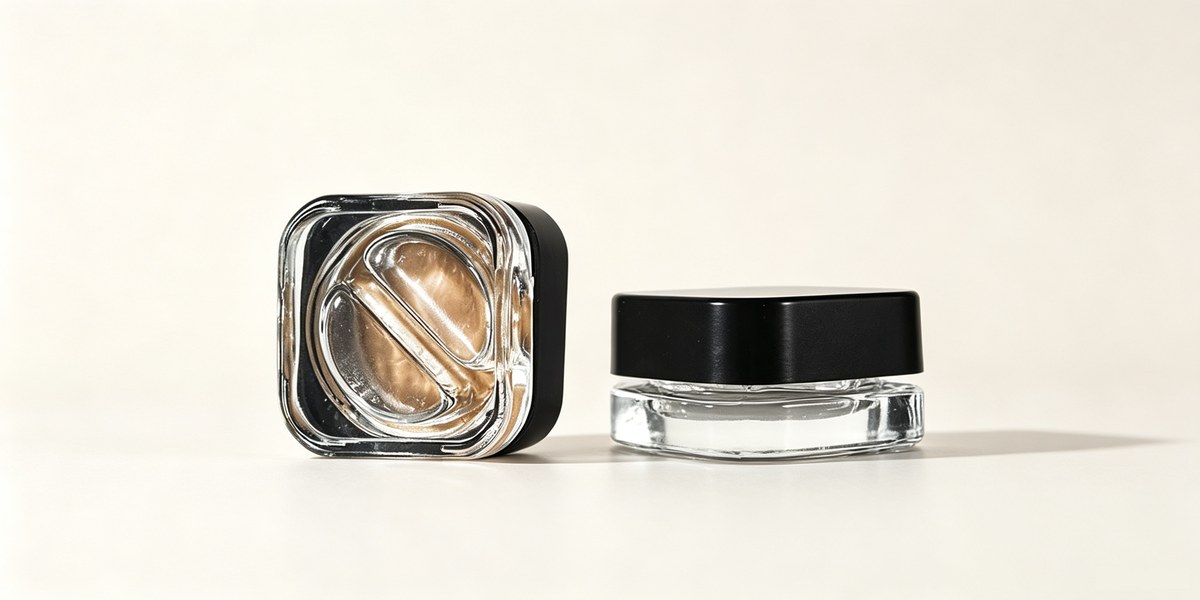
Product stability, barrier properties, brand perception, shipping cost and real unit economics.
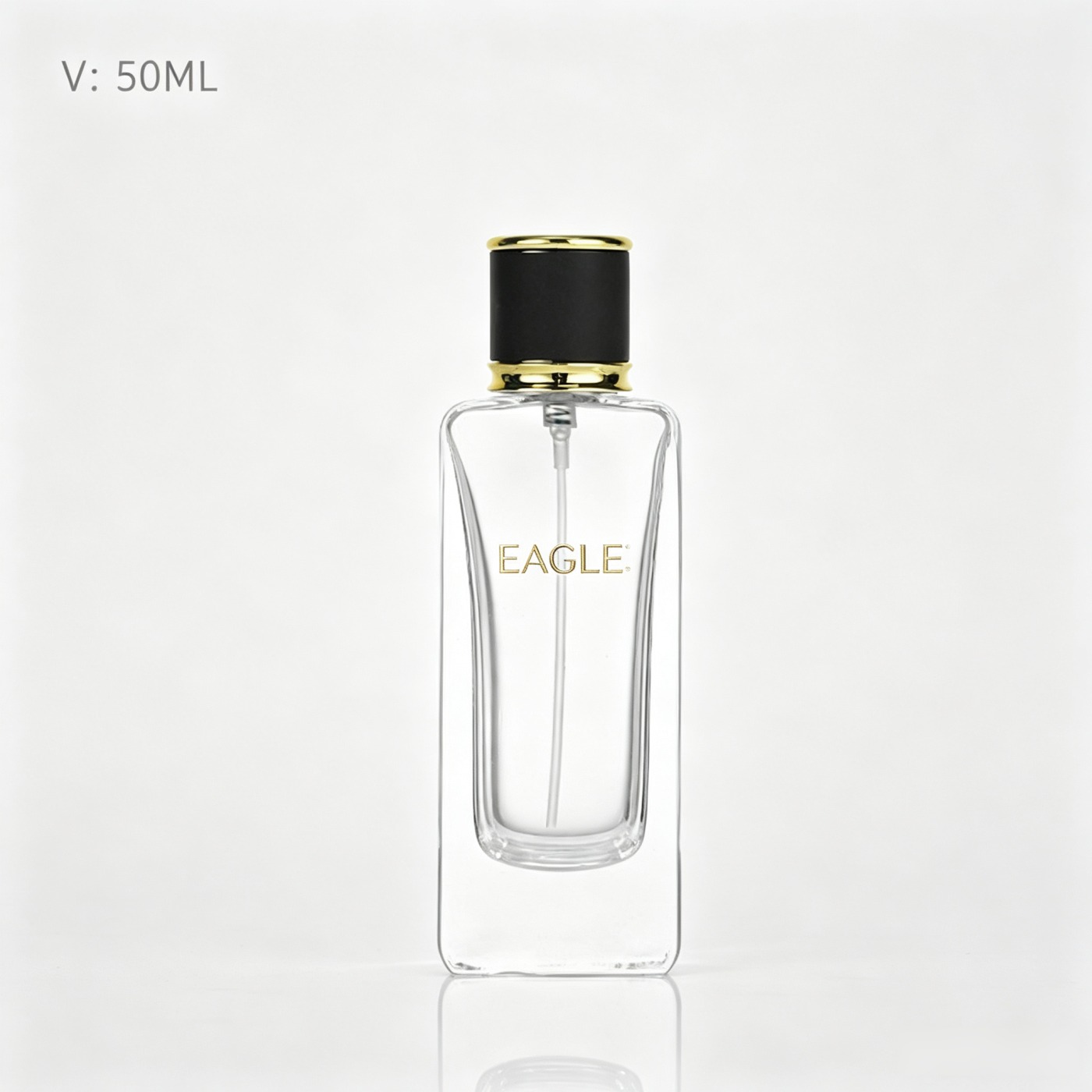
What each size is really for, spray counts, crimp vs screw closures and how to plan your range.
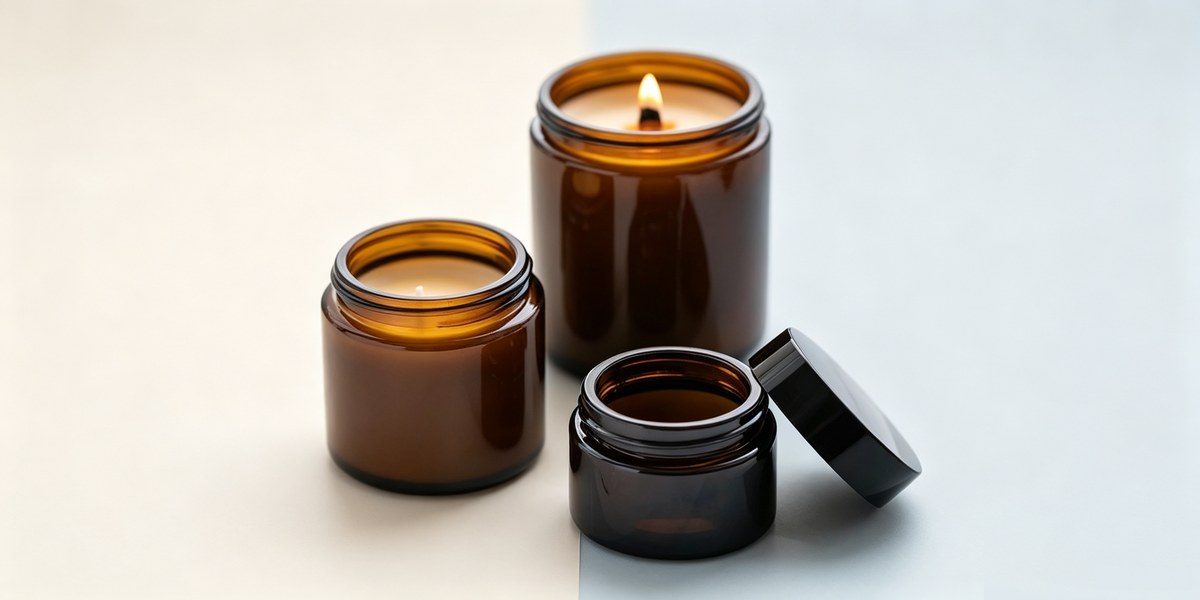
Nine stages, the documents you need, landed cost and the five costly mistakes.
Typical minimums by product, price tiers and five ways to lower your MOQ.
Capacity vs brimful, neck finishes like 18/415, tolerances and closure fit.

16 CFR 1700, ASTM D3475 and Health Canada requirements side by side.

What the test panels measure, closure classes, and what to demand from suppliers.
Sizing, glass type, airtight seals and the North American compliance checklist.
UV protection, cost and shelf appeal compared — plus a decision framework.
Sizing, glass vs silicone, CR closures and how to cut product left in the jar.
Neck finish codes like 53-400, liner selection and how to test a seal.
A clear, repeatable process — so you always know what happens next and when your shipment leaves.
Tell us your sizes, quantities and decoration ideas — free samples are available before you commit.
Contact Us Today