


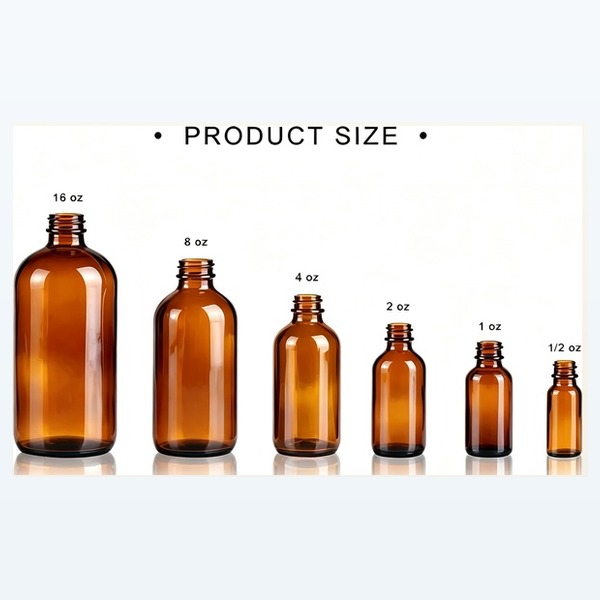
Buyer's Guide
How to Choose the Right Dropper Bottle for Essential Oils
Sizes from 5 ml to 100 ml, amber vs cobalt vs clear, child-resistant closures and neck finishes.
Sep 13, 2026
Concentrates are the most demanding category in cannabis packaging. The product is high-value, sticky, sensitive to light and oxygen, and often judged by how cleanly it comes out of the container. Choosing the wrong jar costs you product on every single unit. Here is how to specify properly.
| Concentrate type | Texture | Packaging pressure point |
|---|---|---|
| Live resin / cured resin | High terpene, saucy, semi-liquid | Terpene retention — needs a tight seal and minimal headspace |
| Shatter / pull-and-snap | Hard, glassy sheet | Must not shatter in transit — flat, rigid, low-stick surface |
| Budder / batter / crumble | Soft, waxy solid | Product recovery — sticks to everything |
| Rosin | Soft, oily, heat-sensitive | Short path to the customer; light and oxygen protection |
| Distillate / sauce | Viscous liquid | Leak-proof closure and an inert liner |
| Size | Typical use |
|---|---|
| 1 g / 2 g | Single-dose jars, sample sizes, premium rosin |
| 3.5 g / 5 g | The retail workhorse — most dispensary concentrate SKUs |
| 7 g / 14 g | Value packs and multi-gram retail |
| 28 g and up | Bulk and processor-to-processor transfers |
Two practical rules: keep headspace small, because air is what oxidises terpenes, and pick a jar wide enough that a tool can reach the corners. A jar that is too deep becomes a recovery problem no matter how good the product is.
Silicone containers are cheap and squeezable, and they dominate the low end. They have two problems for concentrates:
For a product that will sit on a shelf or travel, glass with a properly lined closure is the better specification. Silicone is defensible for immediate-use samples, not for retail shelf life.
Note that the inside of the jar is what touches your product. Coloured glass is coloured in the melt, so the interior is the same material — there is no coating to worry about.
The closure is where most quality failures happen. For concentrates, look for:
Concentrate that stays in the container is margin you paid for and never sold. Practical ways to reduce it:
Headspace is the air trapped between the product and the closure, and for concentrates it is the single biggest driver of shelf life. The oxygen sitting in that gap starts reacting with terpenes and cannabinoids from the day the jar is filled.
Practical guidance:
Small containers leave very little room for mandatory information, and the label is usually the last thing buyers think about and the first thing that fails a compliance review.
"Nice seals. The glass is heavy with sturdy lids, just as described. Worked great for our needs — we would buy again."
"I’m happy with everything — no complaints at all. Shoutout to the supplier and the workers, very good job!"
Prefer to buy through a platform? Find our verified storefronts below — same factory, same factory-direct pricing.
Buyer guides and packaging know-how from the Eaglebottle team.
Sizes from 5 ml to 100 ml, amber vs cobalt vs clear, child-resistant closures and neck finishes.
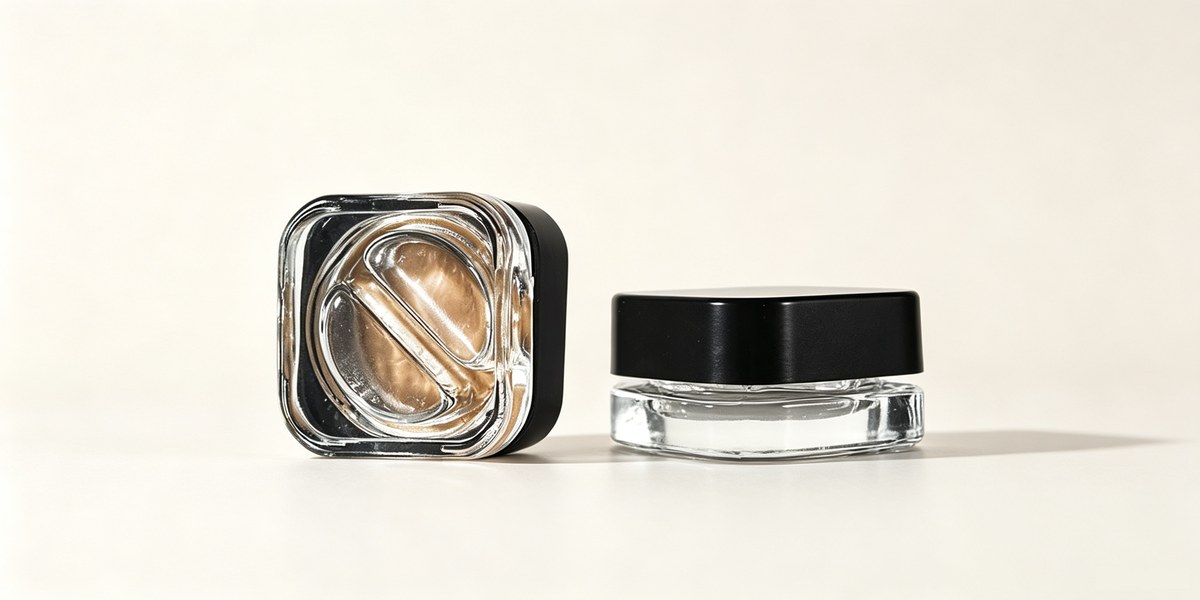
Product stability, barrier properties, brand perception, shipping cost and real unit economics.
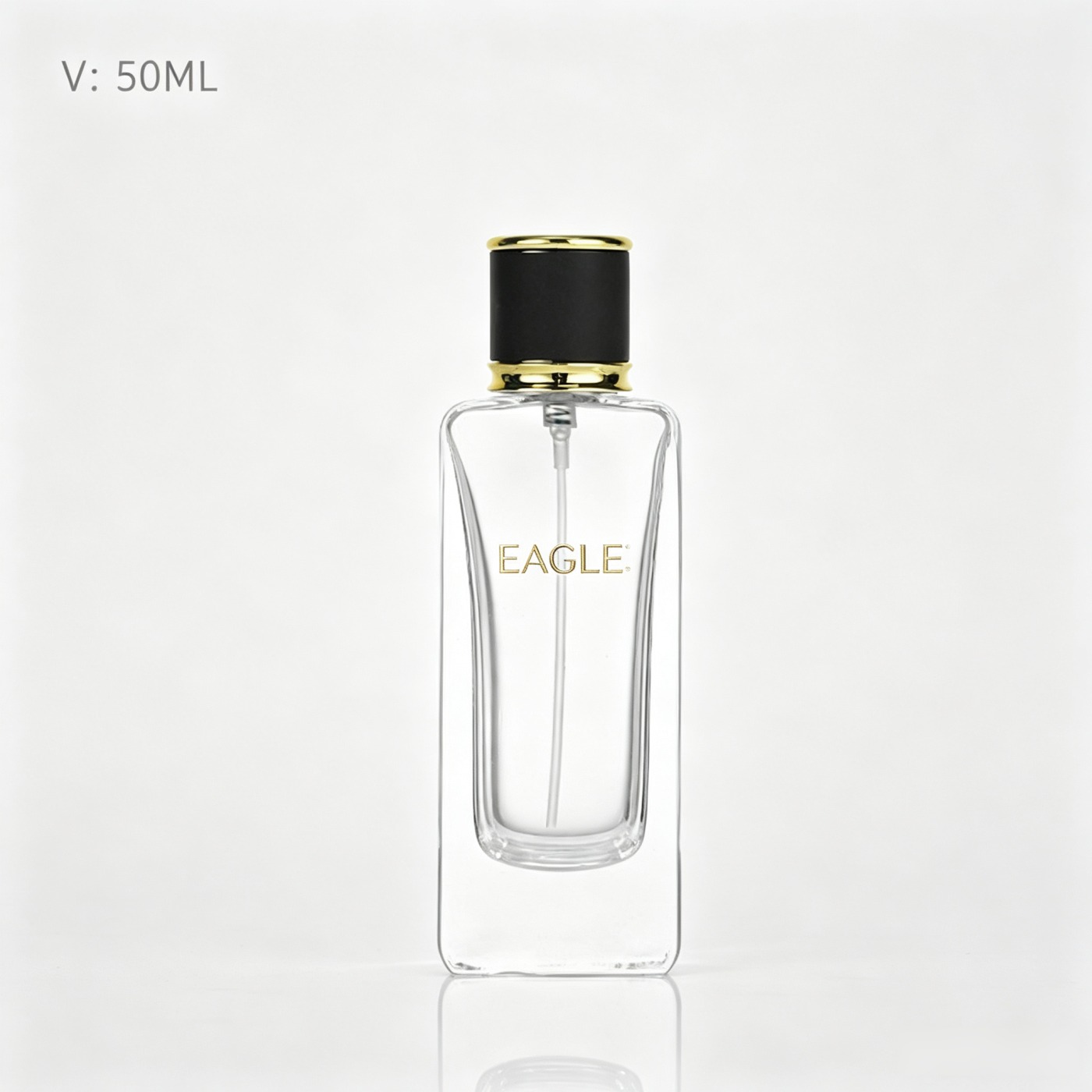
What each size is really for, spray counts, crimp vs screw closures and how to plan your range.

Nine stages, the documents you need, landed cost and the five costly mistakes.
Typical minimums by product, price tiers and five ways to lower your MOQ.
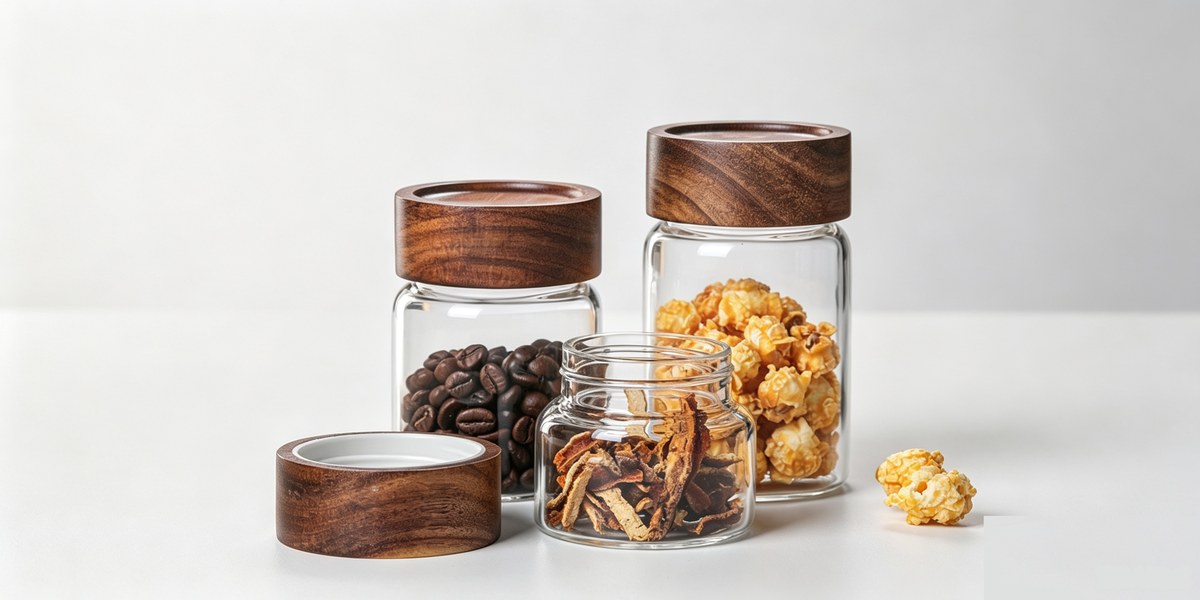
Capacity vs brimful, neck finishes like 18/415, tolerances and closure fit.
16 CFR 1700, ASTM D3475 and Health Canada requirements side by side.

What the test panels measure, closure classes, and what to demand from suppliers.
Sizing, glass type, airtight seals and the North American compliance checklist.
UV protection, cost and shelf appeal compared — plus a decision framework.
Sizing, glass vs silicone, CR closures and how to cut product left in the jar.
Neck finish codes like 53-400, liner selection and how to test a seal.
A clear, repeatable process — so you always know what happens next and when your shipment leaves.
Tell us your sizes, quantities and decoration ideas — free samples are available before you commit.
Contact Us Today