


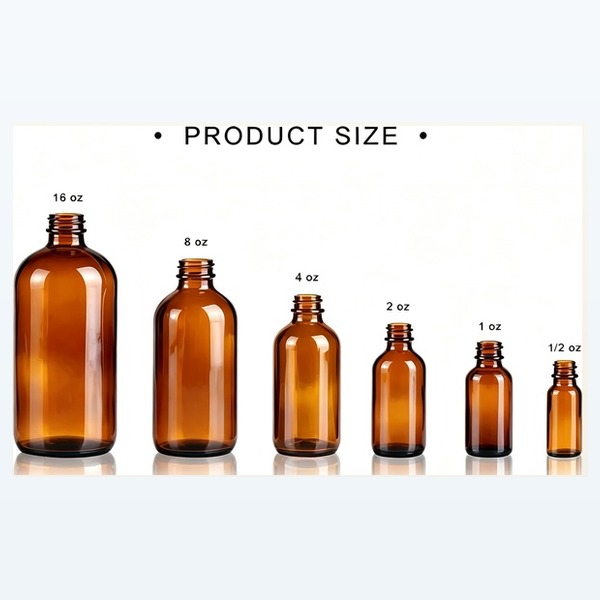
Buyer's Guide
How to Choose the Right Dropper Bottle for Essential Oils
Sizes from 5 ml to 100 ml, amber vs cobalt vs clear, child-resistant closures and neck finishes.
Sep 13, 2026
Two bottles can look identical in a photo and be completely incompatible with your closure. The difference is in the numbers. This guide explains every line on a glass packaging spec sheet — so you can place an order that fits the first time.
A proper specification has two parts: a drawing (dimensions with tolerances) and a parameter table (the numbers). Both matter. The drawing tells you if it fits your label and shelf; the table tells you if it fits your cap and filling line.
| Parameter | What it means | Why it matters |
|---|---|---|
| Capacity | Nominal fill volume in ml (or fl oz) | The headline number buyers shop by |
| Brimful capacity | Volume to the very top | Always 5–15% above nominal — headroom for closures and expansion |
| Weight | Glass weight in grams | Drives freight cost and perceived quality |
| Height | Base to top of finish, in mm | Shelf fit, label height, carton size |
| Diameter / width | Widest point of the body | Shelf spacing, label wrap length |
| Neck finish | The opening standard (e.g. 18/415) | Determines which closures fit |
| Bore / orifice | Inner diameter of the opening | Affects pouring and pump dip-tube fit |
| Wall thickness | Minimum glass thickness | Strength, weight, thermal shock resistance |
| Material | Soda-lime, borosilicate, flint / amber | Chemical resistance and clarity |
A neck finish is written as two numbers, like 18/415:
Common finishes and what they are used for:
| Finish | Typical use | Common closures |
|---|---|---|
| 18/415 | Dropper bottles, serum bottles | Dropper assemblies, screw caps |
| 20/410 | Essential oil bottles | Orifice reducers, droppers |
| 24/410 | Lotion, larger serums | Lotion pumps, screw caps |
| 28/410 | Beverage, food jars | Screw caps, lug caps |
| 13 mm / 15 mm crimp | Perfume atomisers | Crimp sprayers (no thread) |
| 18 mm / 20 mm crimp | Perfume, fragrance oils | Crimp pumps with decorative caps |
Critical rule: the bottle finish and the closure finish must match exactly. An 18/415 cap will not seal an 18/410 bottle, even though both are "18". This mismatch is the most common cause of a failed first order.
A "30 ml bottle" holds about 30 ml of product, but its physical volume to the brim is larger — typically 33–36 ml. That headroom exists because:
If you are designing a label or calculating freight, use the brimful figure. If you are selling to consumers, use the nominal capacity.
Glass is formed at high temperature, so dimensions vary slightly. Standard tolerances are roughly:
These matter when you have automated filling or tight label tolerances. If your equipment is sensitive, say so up front — tighter tolerances are possible but affect price and yield.
If a drawing is missing any of these, ask. A supplier who cannot produce a proper drawing is probably not the supplier for a production order.
"Nice seals. The glass is heavy with sturdy lids, just as described. Worked great for our needs — we would buy again."
"I’m happy with everything — no complaints at all. Shoutout to the supplier and the workers, very good job!"
Prefer to buy through a platform? Find our verified storefronts below — same factory, same factory-direct pricing.
Buyer guides and packaging know-how from the Eaglebottle team.
Sizes from 5 ml to 100 ml, amber vs cobalt vs clear, child-resistant closures and neck finishes.
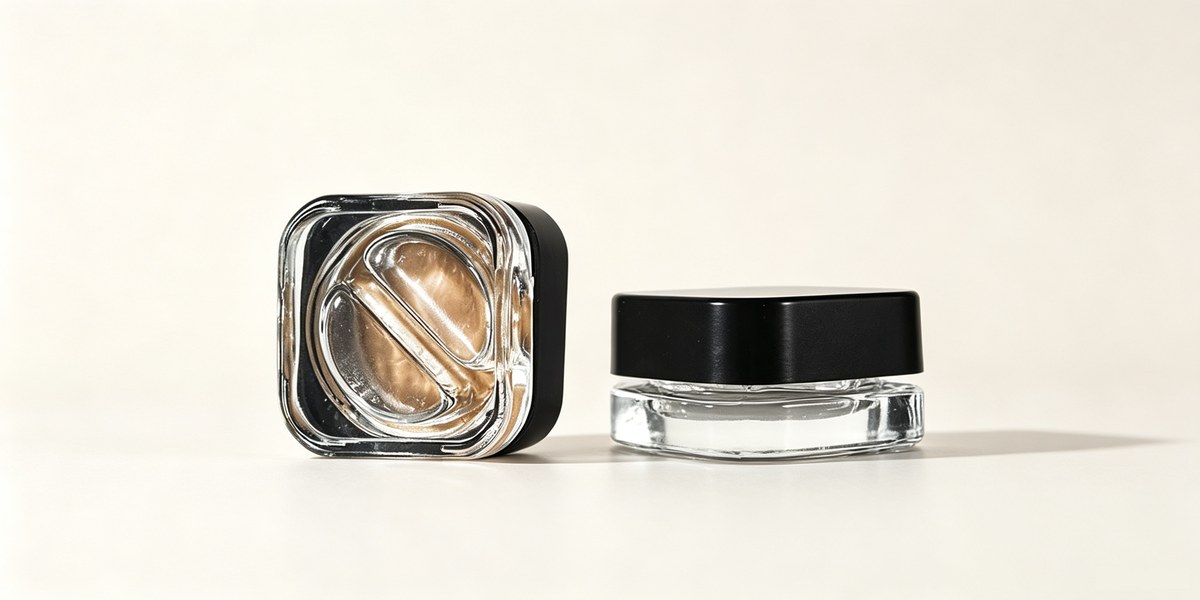
Product stability, barrier properties, brand perception, shipping cost and real unit economics.
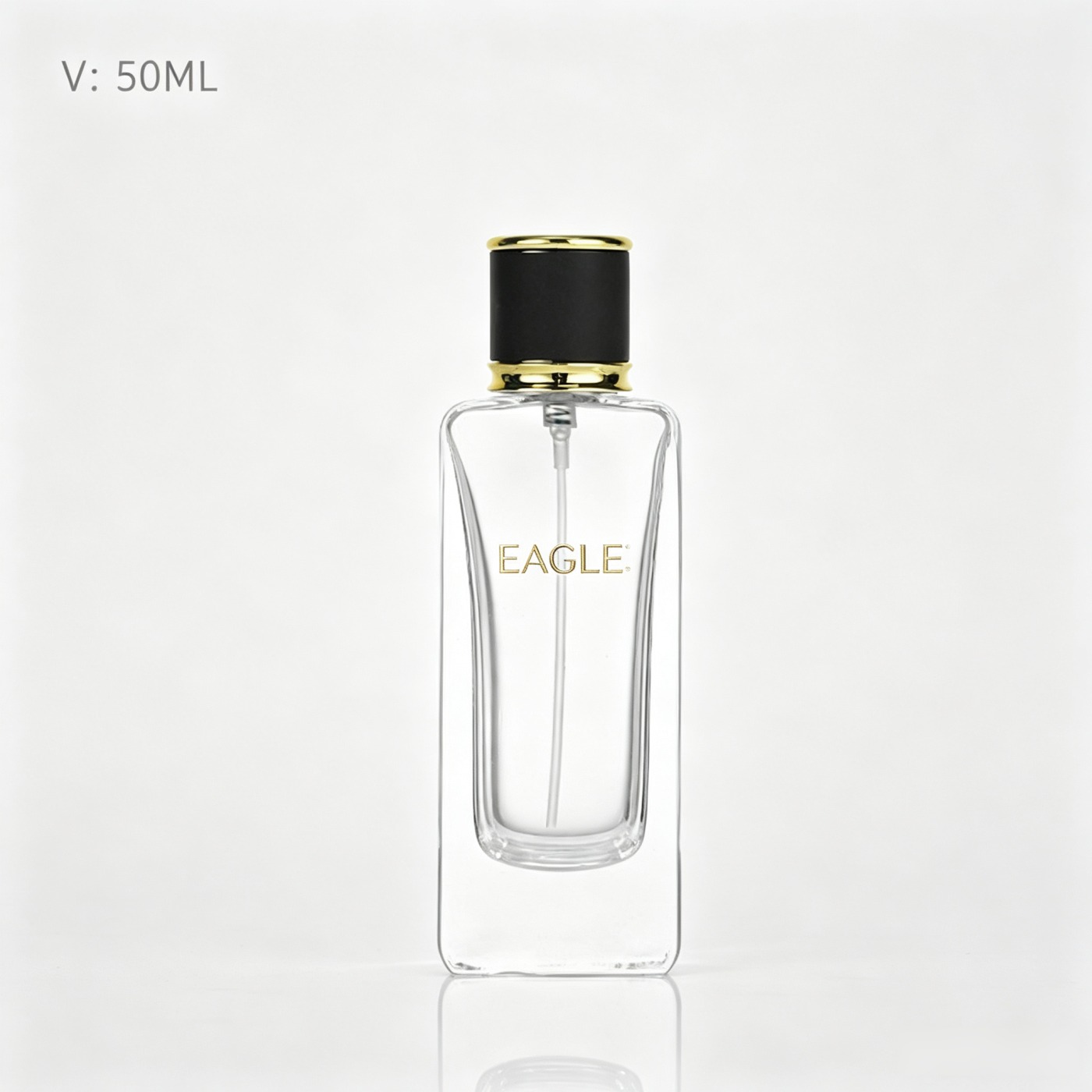
What each size is really for, spray counts, crimp vs screw closures and how to plan your range.
A clear, repeatable process — so you always know what happens next and when your shipment leaves.
Tell us your sizes, quantities and decoration ideas — free samples are available before you commit.
Contact Us Today