


Buyer's Guide
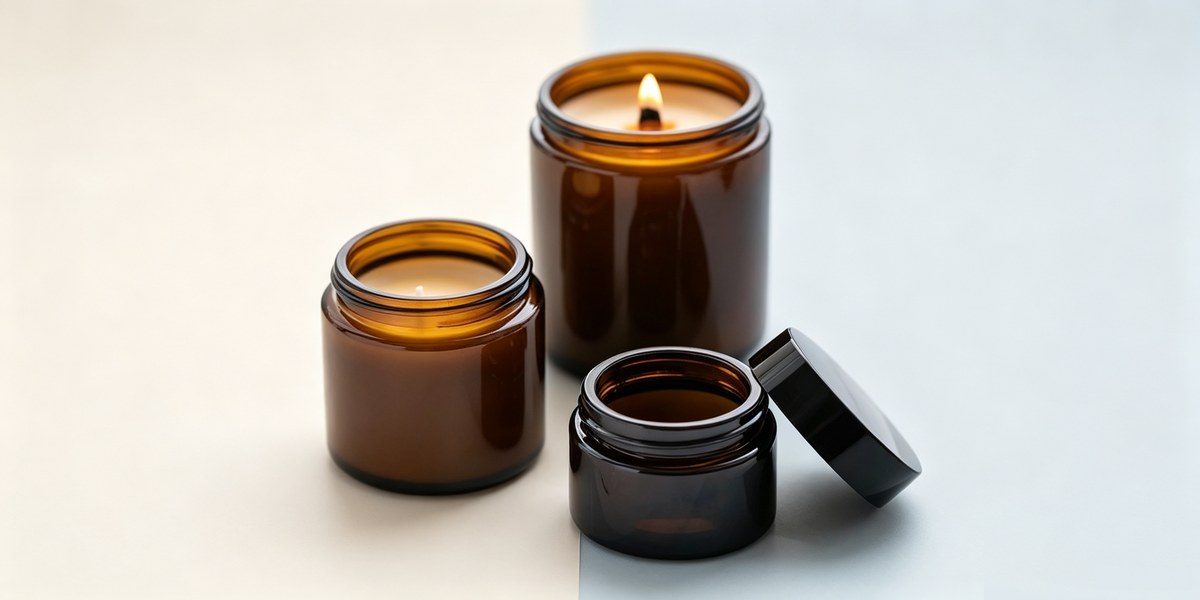
Amber Glass Jars: Uses, Sizes and How to Source Them
What amber glass blocks, the stock sizes and finishes, closure options and how to specify them.
Sep 21, 2026
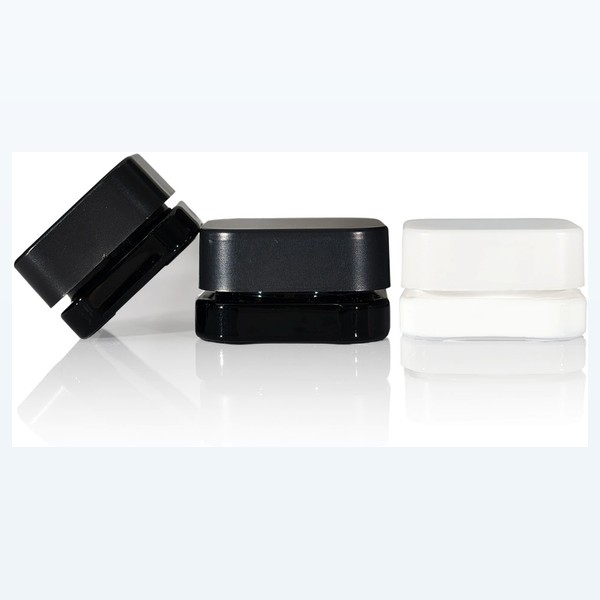
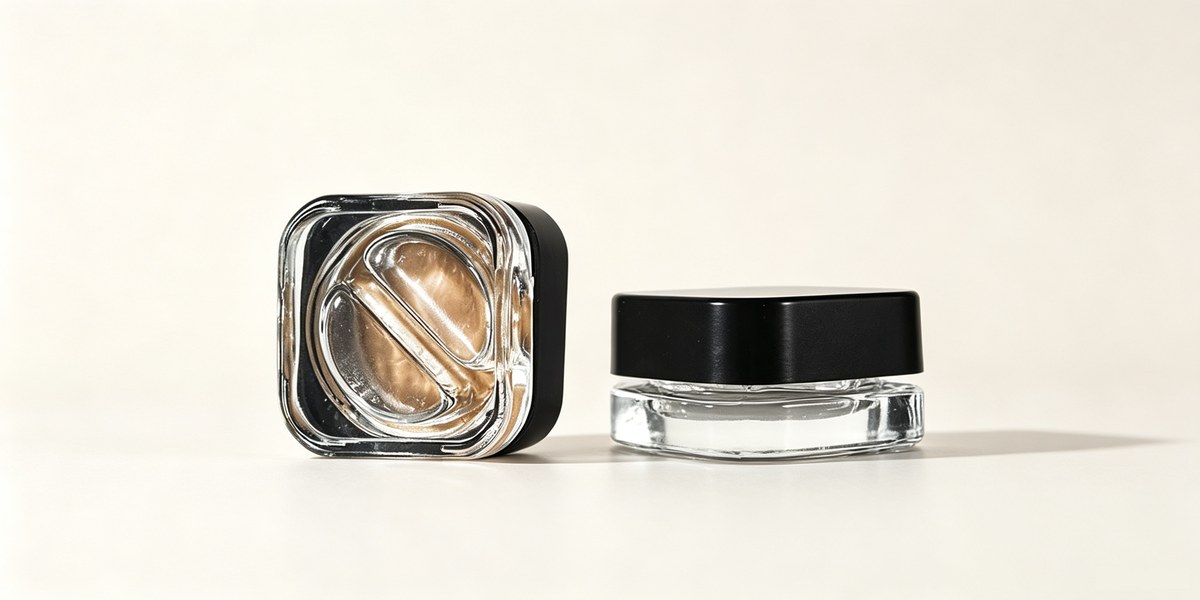
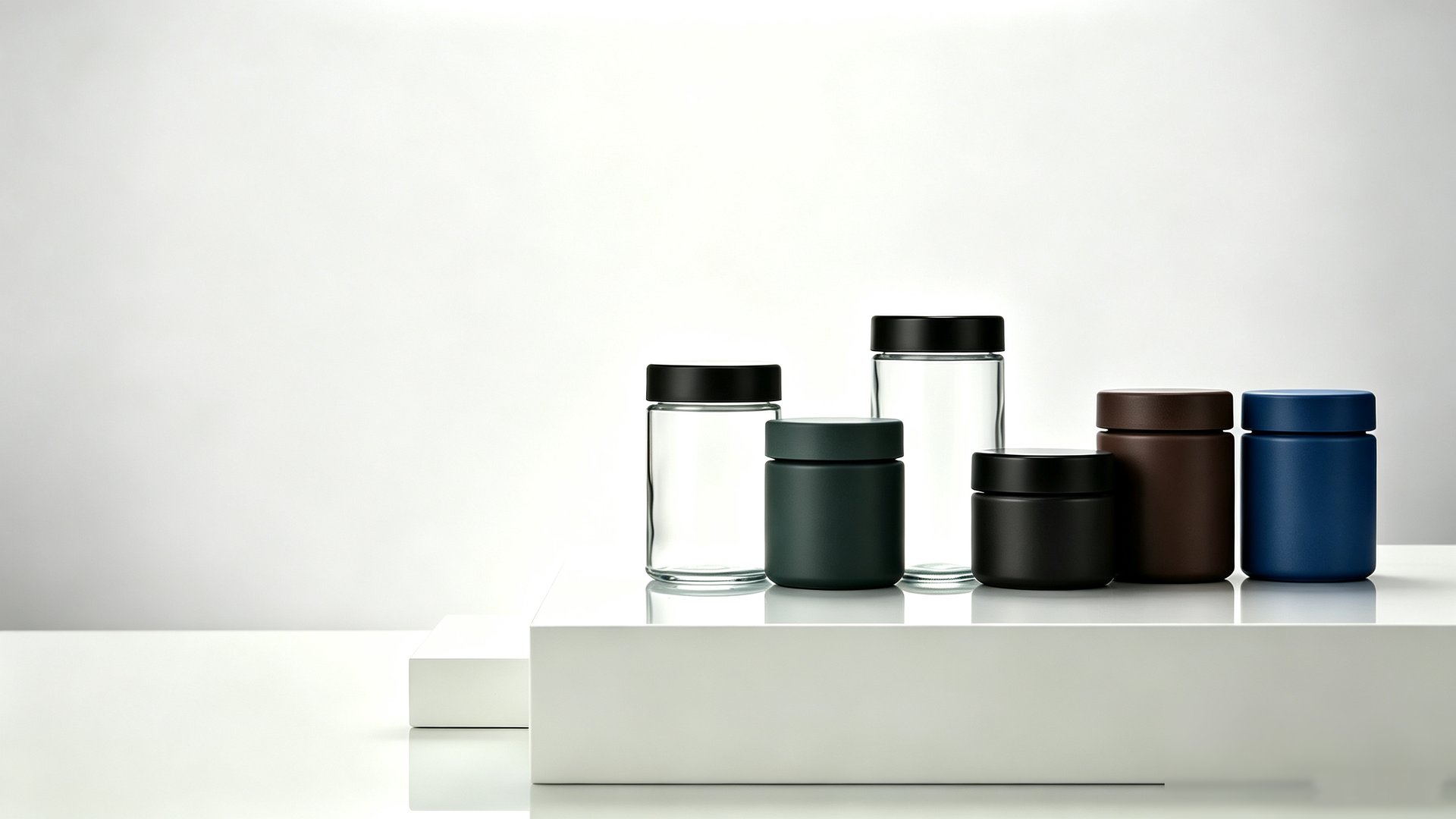
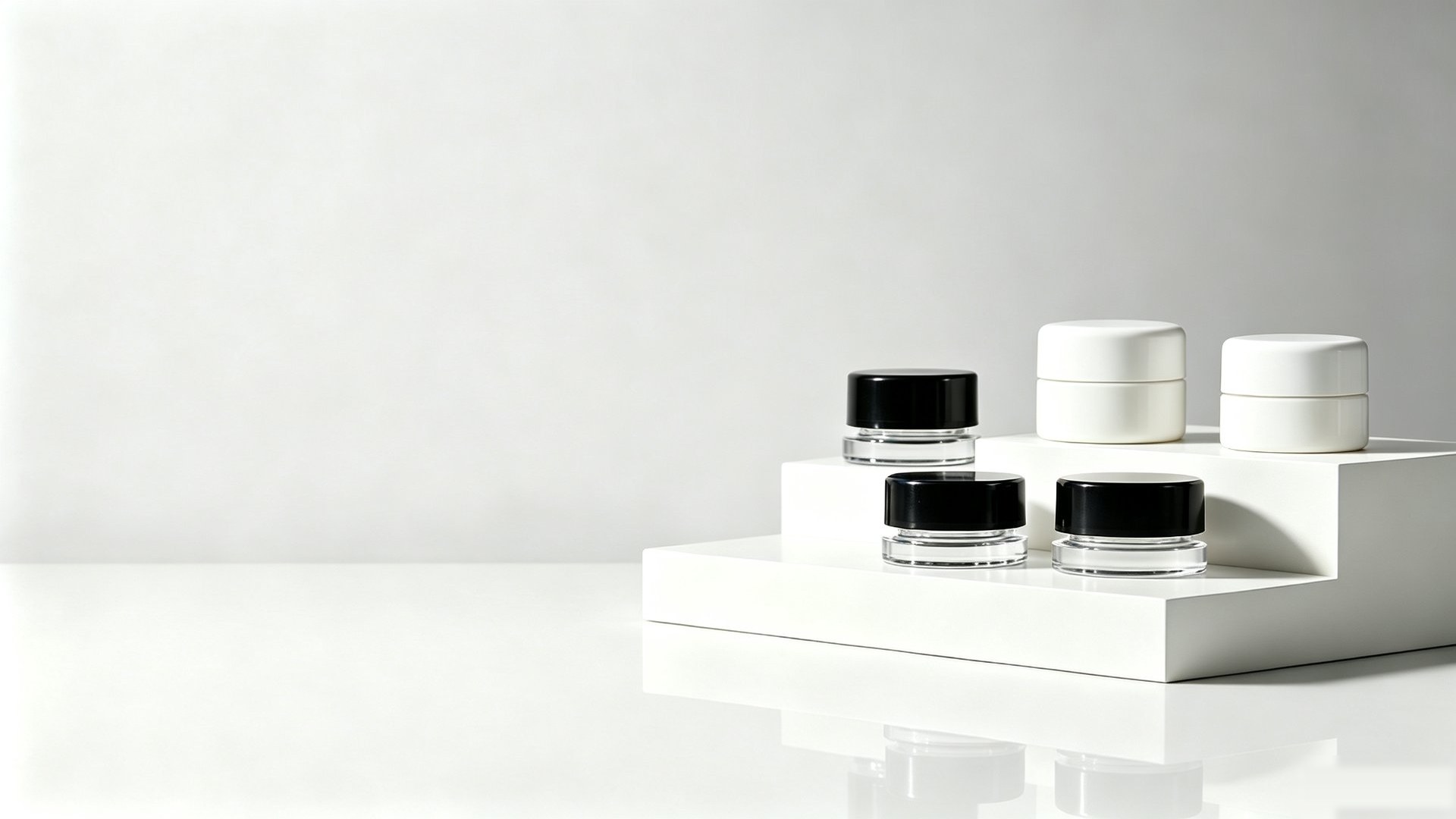
Concentrates are sold in grams and stored at room temperature, which makes the container part of the product experience. We manufacture 3 ml to 9 ml glass concentrate jars for wax, shatter, rosin, live resin and crumble — small-format bodies with flat bases that sit stable on a shelf, lined screw lids to stop terpene loss, and child-resistant options for regulated markets. Clear, black and UV-blocking glass, MOQ 1,000 pieces.
| Capacity | Body style | Closure | Typical fill |
|---|---|---|---|
| 3 ml | Tall narrow | Lined screw, CR option | 0.5–1 g |
| 5 ml | Standard round | Lined screw, CR option | 1 g |
| 7 ml | Wide short | Lined screw, CR option | 1–2 g |
| 9 ml | Wide short | Lined screw, CR option | 2 g+ |
| Custom | Ask for stock list | CR or non-CR | Multi-gram |
Send us your size, quantity and target market and we will reply within 24 hours with factory-direct pricing, stock availability and a sample plan.
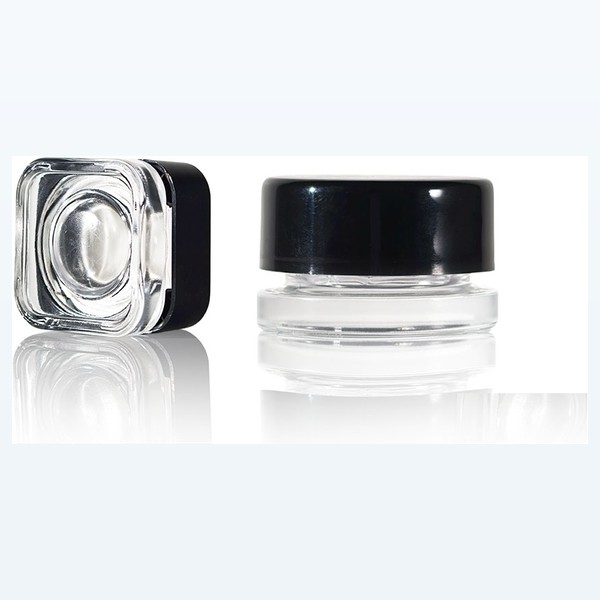
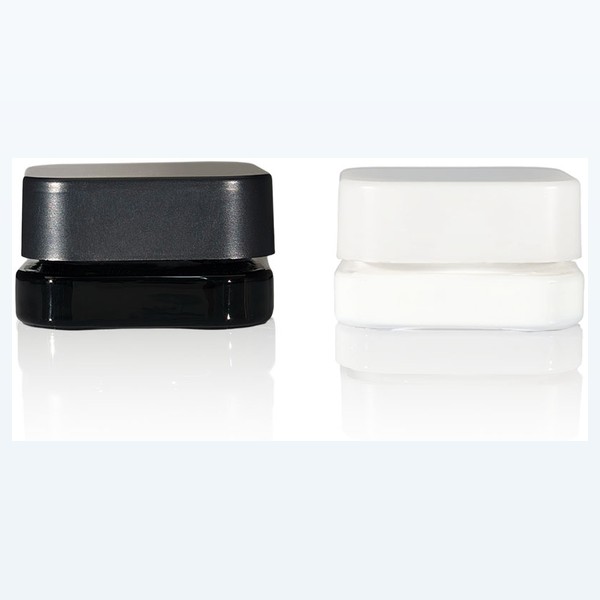
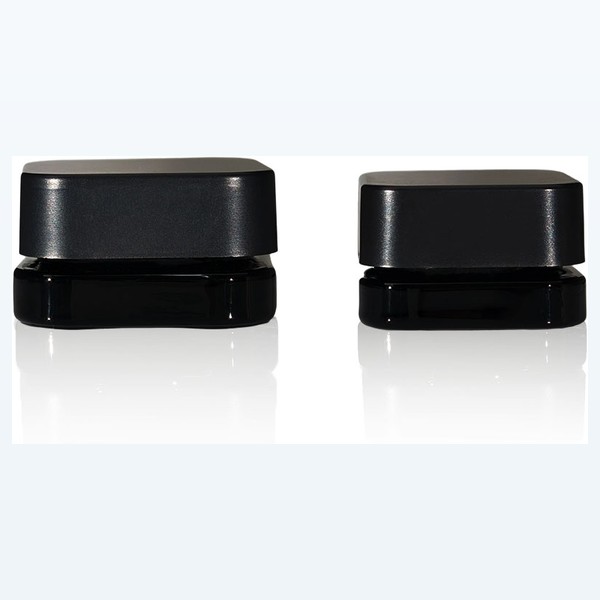
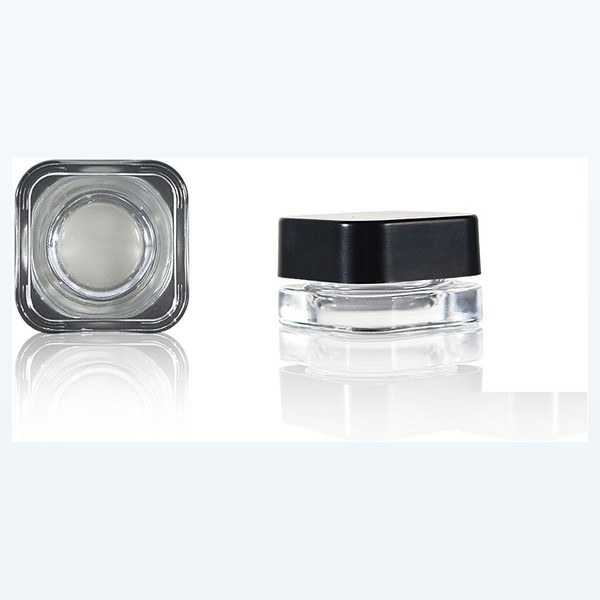
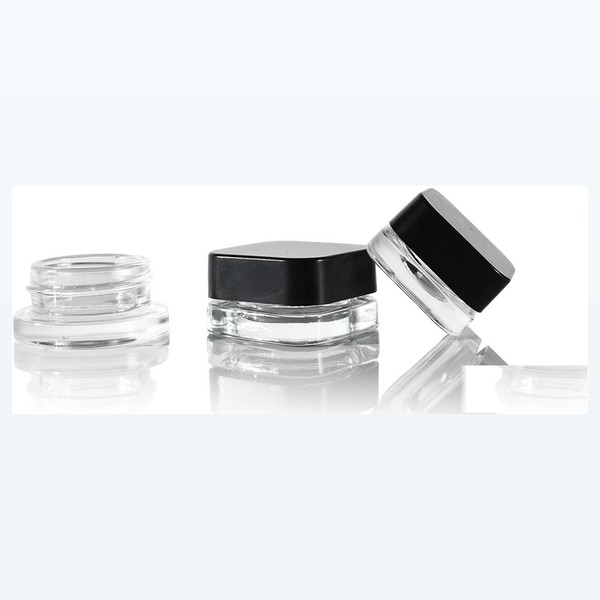
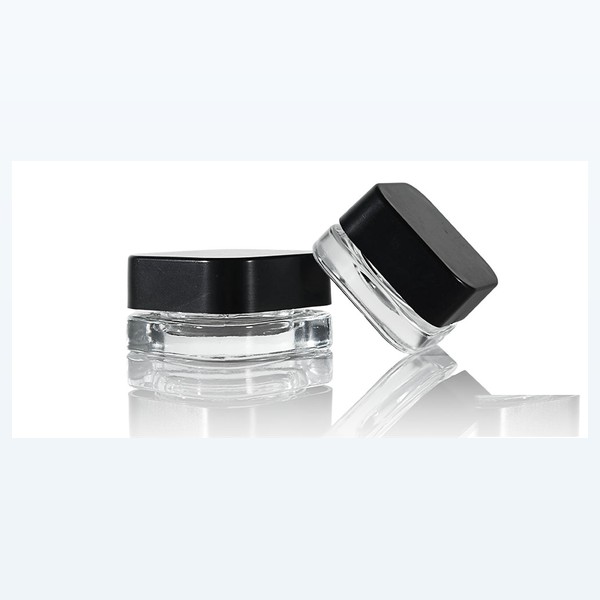
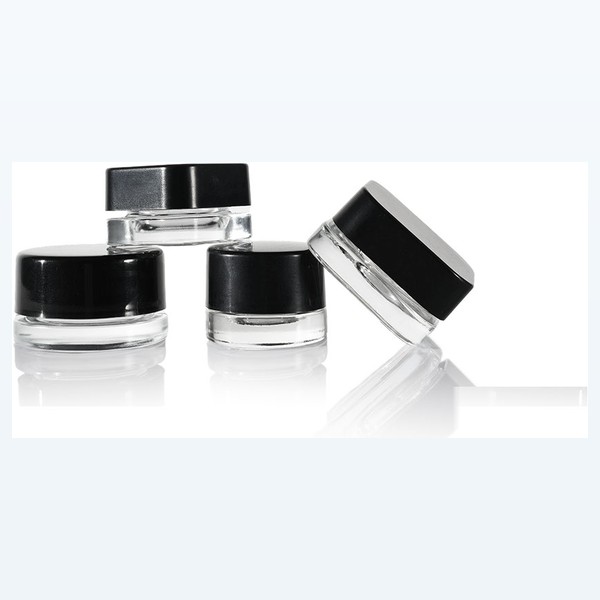
A gram of live resin can carry a terpene profile that costs more to produce than the concentrate base itself. Those volatile compounds migrate into anything they can reach: an unlined metal lid, a soft plastic insert, a poorly sealed thread. Glass gives you an inert wall, and the closure does the rest. A lined screw lid — PTFE-faced or a food-grade liner — is not an upsell, it is what keeps the profile intact between the fill line and the customer.
The second job is stability. Concentrate jars are opened one-handed, often on a counter, frequently with a dab tool in the other hand. A 3 ml tall body tips; a 5 ml to 9 ml wide-short body with a flat base and a low centre of gravity does not. That is why the wide-short format has become the default for retail grams.
Match capacity to fill, not to the price point. Over-sized jars let the product slide, expose more surface to air on every opening, and make a single gram look thin. The working range is 3 ml for half-gram and sampler formats, 5 ml for a standard gram, and 7–9 ml when you are packing 2 g, offering a variety pack, or adding a tool. If your product needs a silicone insert or a small applicator, size up one step rather than compressing the insert.
States that mandate child-resistant cannabis packaging apply the requirement to concentrates as well as flower. A CR concentrate jar is a specific body-plus-cap combination, tested to 16 CFR 1700.20; the report is issued per combination and does not transfer to a different body, cap size or liner. If you sell in more than one market, check whether your state requires CR packaging for concentrates or accepts a non-CR jar inside a compliant exit bag — the two routes have very different packaging costs.
Where a CR closure is not needed, a lined non-CR screw lid is cheaper, easier to automate and easier for a customer with limited hand strength to open. Many brands run both: CR for regulated retail, non-CR for medical and bulk channels.
Black and UV-blocking glass protect light-sensitive extracts and give the category its premium look; clear glass shows colour and consistency, which matters for rosin, diamonds and any product sold on appearance. Because the surface area is small, decoration has to be economical: a short wrap label, a circular cap sticker, or embossing on the body. Tell us the regulator panel text you need and we will confirm how much of the body remains for branding before you design.
The standard range is 3 ml, 5 ml, 7 ml and 9 ml. 5 ml suits a standard gram of wax or shatter; 7–9 ml is used for two-gram fills, variety packs or products sold with a tool.
Yes. Concentrate jars ship with lined screw lids — typically a PTFE-faced or food-grade liner — to limit terpene loss and stop the lid sticking to sticky extracts. Child-resistant closures are available as an option.
Yes. We supply CR closures tested with the matching body to 16 CFR 1700.20, with the report issued for that specific combination. Confirm whether your state requires CR packaging for concentrates or permits a non-CR jar inside a compliant exit bag, because the two routes price differently.
Black and UV-blocking glass give the most protection for light-sensitive extracts. Clear glass is the choice when colour and consistency are part of the sale, and amber sits between the two.
1,000 pieces per size and colour, with mixed sizes combinable in one container. Stock samples ship in 3–7 days and production runs 25–35 days after deposit.
Send us your size, quantity and target market and we will reply within 24 hours with factory-direct pricing, stock availability and a sample plan.
"Nice seals. The glass is heavy with sturdy lids, just as described. Worked great for our needs — we would buy again."
"I’m happy with everything — no complaints at all. Shoutout to the supplier and the workers, very good job!"
Prefer to buy through a platform? Find our verified storefronts below — same factory, same factory-direct pricing.
Buyer guides and packaging know-how from the Eaglebottle team.
What amber glass blocks, the stock sizes and finishes, closure options and how to specify them.
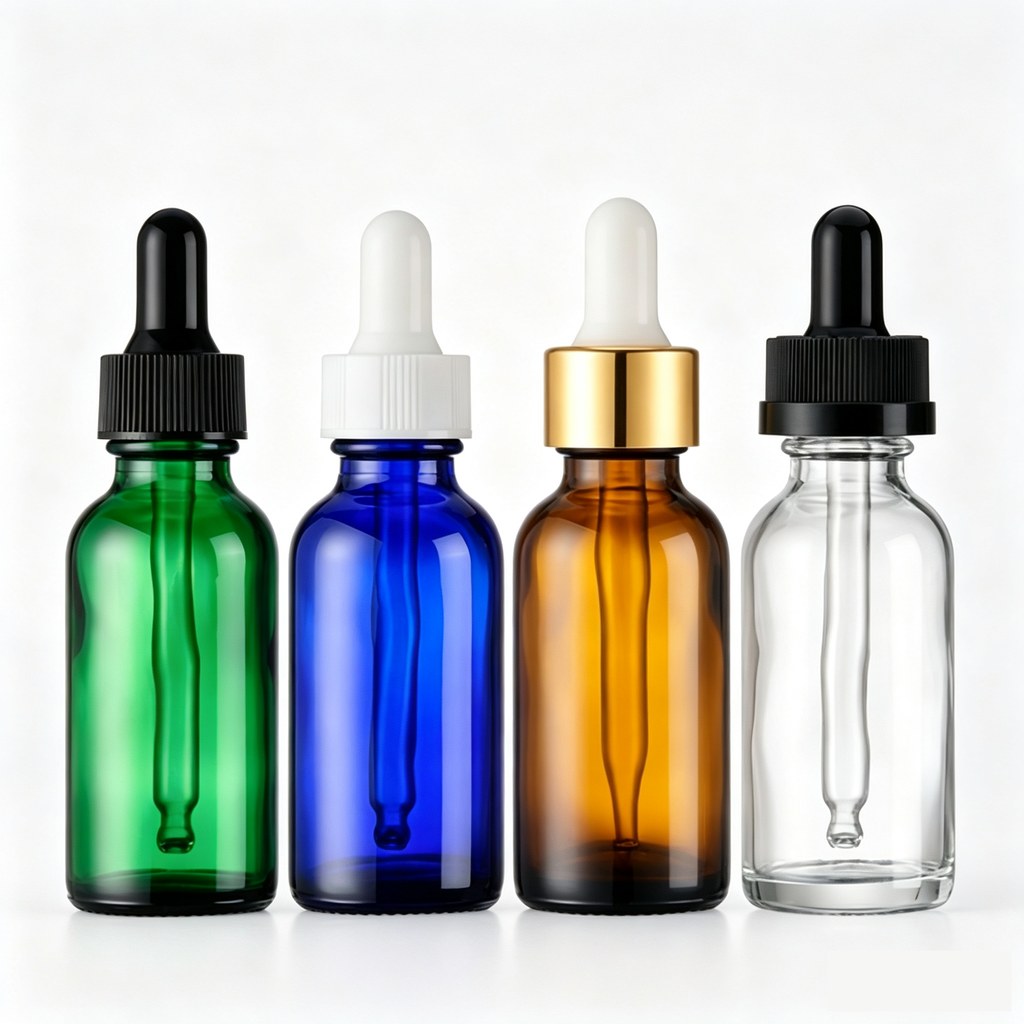
CR dropper designs, the test protocol, tincture sizes and how to verify certification.
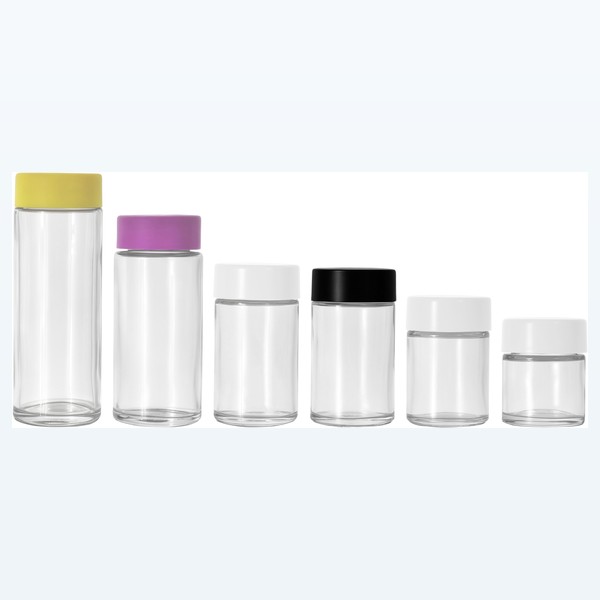
84–120 mm lengths for 0.5 g–2 g pre-rolls, CR pop-top closures and wholesale MOQ explained.
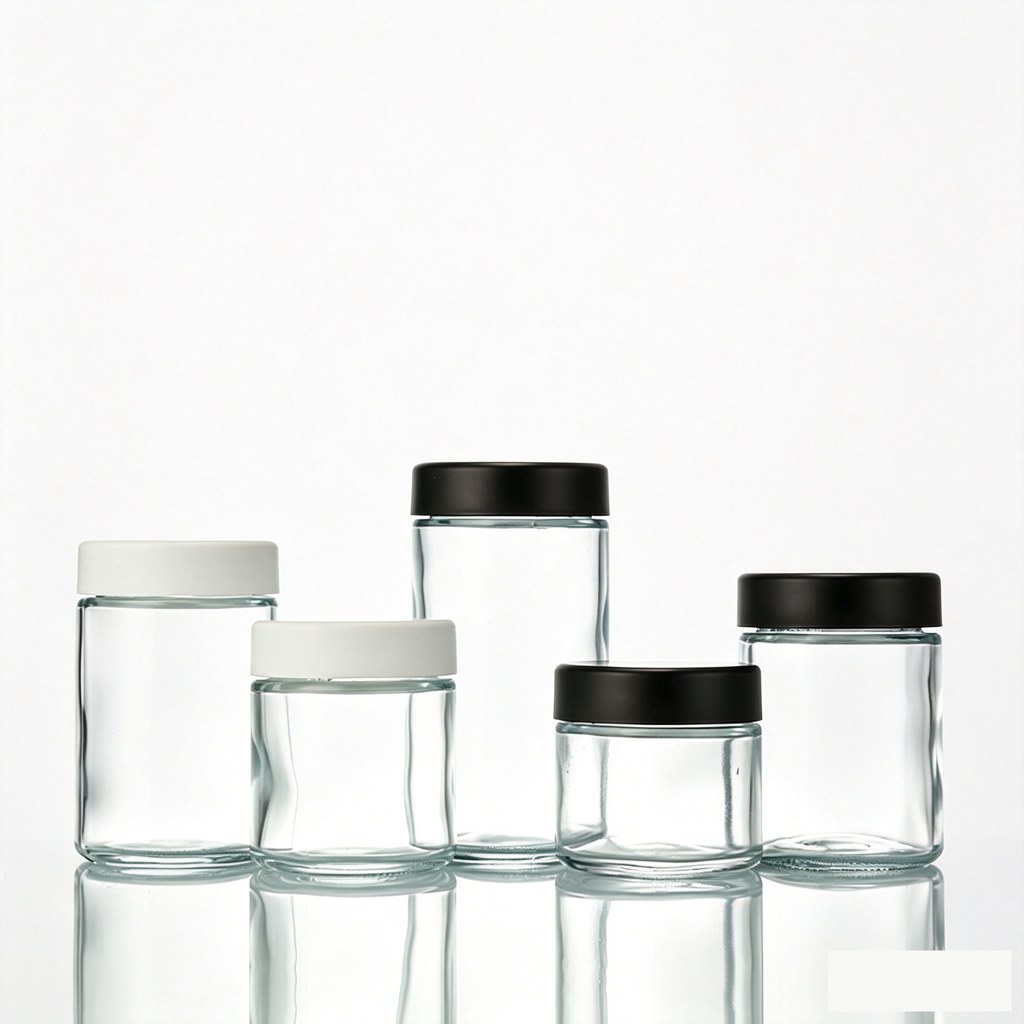
The 55–62% window, humidity packs, seal testing and what "airtight" really specifies.
Neck finishes from 38 to 110 mm, fill and pour performance, closure cost and freight.
Raw materials, 1,550 °C melting, blow and press molding, annealing, inspection and export packing — explained for buyers.
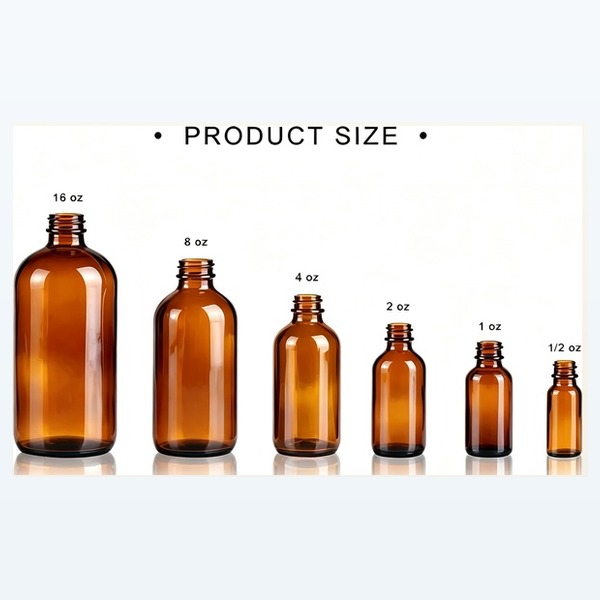
Sizes from 5 ml to 100 ml, amber vs cobalt vs clear, child-resistant closures and neck finishes.
Product stability, barrier properties, brand perception, shipping cost and real unit economics.
What each size is really for, spray counts, crimp vs screw closures and how to plan your range.
Nine stages, the documents you need, landed cost and the five costly mistakes.
Typical minimums by product, price tiers and five ways to lower your MOQ.
Capacity vs brimful, neck finishes like 18/415, tolerances and closure fit.
16 CFR 1700, ASTM D3475 and Health Canada requirements side by side.
What the test panels measure, closure classes, and what to demand from suppliers.
Sizing, glass type, airtight seals and the North American compliance checklist.
UV protection, cost and shelf appeal compared — plus a decision framework.
Sizing, glass vs silicone, CR closures and how to cut product left in the jar.
Neck finish codes like 53-400, liner selection and how to test a seal.
A clear, repeatable process — so you always know what happens next and when your shipment leaves.
Tell us shape, capacity, quantity and decoration. We send a detailed quote within 24 hours.
Stock samples ship in 3 days; custom pre-production samples in 7–15 days, so you can test before ordering.
5 furnaces and 12 lines run your order, with automatic inspection plus SGS/ISO checks — photos and reports before shipment.
Export cartons and pallets, FOB Shanghai / Qingdao / Ningbo, or DDP straight to your warehouse.
Who we are, what we make, and how we work — the questions overseas buyers ask before their first order.
Eaglebottle is the export brand of Xuzhou Eagle Glass Co., Ltd., a large-scale glass products manufacturer and exporter based in Xuzhou, Jiangsu, China. Operating since 2008, the factory runs 5 furnaces and 12 production lines with more than 3,000 product varieties, serving brands in over 40 countries.
We manufacture eight glass packaging categories: cannabis flower jars, pre-roll tubes and vape cartridges, concentrate jars, dropper and tincture bottles, perfume bottles, reed diffuser bottles, food jars and beverage bottles. Stock molds cover most standard sizes, and custom shapes are made with dedicated tooling.
Yes. We produce custom glass from your drawing, sample or even a photo reference. Mold opening is free for standard shapes, and our design team prepares mock-ups for approval before mass production. Decoration options include silk-screen printing, hot stamping, frosted finishing, spray coating, electroplating and embossing.
The factory is SGS and ISO 9001 certified and the glass meets FDA and CE requirements for food contact. Every order passes automatic inspection on the line plus manual spot checks, and we send photos and inspection reports before shipment so you know exactly what is in the container.
Yes. Mixed sizes in one container are accepted, in-stock items ship in smaller trial quantities, and free samples are available before you commit. Our team guides first-time importers through shipping terms, packaging and documentation, with replies in English within 24 hours.
Our factory is in Xuzhou, Jiangsu Province, China, about 2 hours from Shanghai by high-speed rail. Factory visits and live video tours are welcome, so you can inspect the furnaces, production lines and quality control process yourself before placing an order.
Tell us your sizes, quantities and decoration ideas — free samples are available before you commit.
Contact Us Today