


Buyer's Guide
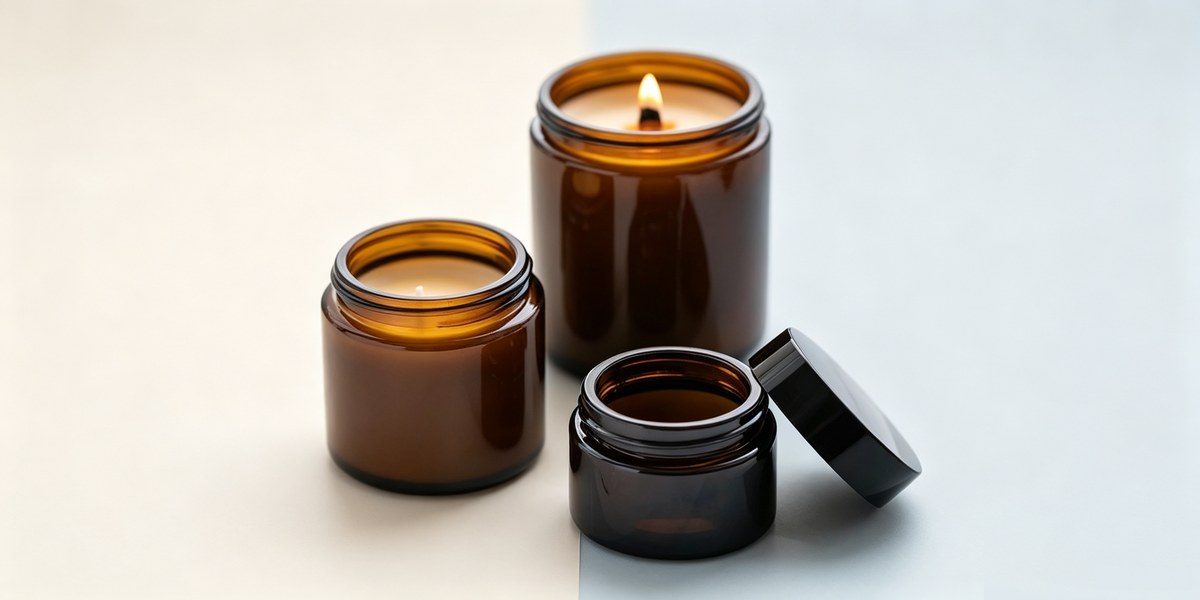
Amber Glass Jars: Uses, Sizes and How to Source Them
What amber glass blocks, the stock sizes and finishes, closure options and how to specify them.
Sep 21, 2026
Cannabis packaging in the United States is governed by two layers: a federal baseline that applies wherever a product falls under the Consumer Product Safety Commission’s special-packaging rules, and a state-specific layer set by the regulator in each legal cannabis market. Most buyers stop at the federal layer, then discover that compliant packaging for California is not compliant packaging for Massachusetts, and that the difference lives in exit bags, tamper evidence, plain packaging rules and labeling requirements. This guide walks through the framework, gives a state-by-state table for the ten largest US cannabis markets, and explains the three practical implications for a buyer sourcing child-resistant glass packaging in 2026.
The federal layer is the Poison Prevention Packaging Act, with its implementing regulation in 16 CFR 1700.15 and the test protocol in 16 CFR 1700.20 and ASTM D3475. For any substance the CPSC has classified as requiring special packaging — which includes most cannabis products in states that have legalised them — the package must be difficult for a young child to open and not difficult for an adult. The standard mechanism is a closure that requires two dissimilar motions, such as push-and-turn or squeeze-and-turn.
The state layer is where the differences live. Each state’s cannabis authority — the Department of Cannabis Control in California, the Marijuana Enforcement Division in Colorado, the Liquor and Cannabis Board in Washington, and so on — layers additional requirements on top of the federal baseline. Common state-specific elements include:
The table below covers the ten largest US recreational cannabis markets by 2025 sales volume. Verify the specific text of the current regulation with the state authority and your regulatory counsel before you commit; rules change and summaries age quickly.
| State | CR standard | Exit bag | Tamper-evident | Plain packaging |
|---|---|---|---|---|
| California | 16 CFR 1700 + ASTM D3475 | Required for transport | Required | Limited (cannabis symbol and warning statements required) |
| Colorado | 16 CFR 1700 + ASTM D3475 | Required for transport | Required | Limited (THC symbol, allergy warning) |
| Washington | 16 CFR 1700 + ASTM D3475 | Required for transport | Required | Limited |
| Oregon | 16 CFR 1700 + ASTM D3475 | Required for transport | Required | Limited |
| Illinois | 16 CFR 1700 + ASTM D3475 | Not state-mandated (dispensary practice) | Required | Limited |
| Massachusetts | 16 CFR 1700 + ASTM D3475 | Required for transport | Required | Limited |
| New York | 16 CFR 1700 + ASTM D3475 | Required for transport | Required | Restricted (logo size, colour limits) |
| Michigan | 16 CFR 1700 + ASTM D3475 | Not state-mandated | Required | Limited |
| Nevada | 16 CFR 1700 + ASTM D3475 | Not state-mandated | Required | Limited |
| Arizona | 16 CFR 1700 + ASTM D3475 | Not state-mandated | Required | Limited |
Two patterns jump out. First, the federal 16 CFR 1700 standard is the universal baseline; no state has chosen to deviate downward. Second, the state-specific differences cluster around exit bags, tamper-evident seals and plain packaging — not the CR closure itself. That is good news for buyers, because it means a well-designed child-resistant closure can serve almost every US market with the same mould.
An exit bag is an opaque, reclosable bag that the dispensary uses to put the customer’s product out of sight on the way to the car and home. The bag has to be opaque enough that the product is not visible through it, and reclosable enough that a child cannot easily open it. Exit bags are a state-level requirement in California, Colorado, Washington, Oregon and Massachusetts; in other states they are dispensary practice or retailer policy rather than a regulatory mandate.
For the brand supplying the jar or bottle, the exit bag is not your responsibility as the manufacturer. But it shapes the package you sell, because the jar has to fit inside a typical exit-bag footprint and weight allowance, and because the exit bag requirement changes the kind of decoration that is worth doing on the jar itself — elaborate external artwork is less valuable when the product will spend most of its life inside an opaque bag.
Most states require that the consumer be able to tell whether the package has been opened between the factory and the dispensary. The common solutions are a shrink band around the closure that breaks on first opening, a tear strip on the jar mouth, or a breakable ring on the cap. The seal is part of the same compliance story as CR, but it is a different test (visible damage, not child-resistance), and it is usually supplied as a separate component from the closure.
If your CR cap has a built-in tamper-evident band (the ring that breaks away on first opening), one component covers both requirements. If it does not, you will need a separate band, which means a separate specification, a separate supplier and a separate cost line.
One CR closure covers most US markets. A stock child-resistant closure certified under 16 CFR 1700 and ASTM D3475 will be accepted in every state listed above. The CR mechanism is not where states diverge.
State divergence lives in the secondary components. Exit bags, tamper-evident seals and labeling rules are where you will need a state-specific configuration. For national distribution, build the closure once and add state-specific tamper-evident bands and exit bags at the dispensary or distributor end.
Reclosable is the criterion that fails most often. The federal test passes a package that an adult can reclose. State rules frequently require that the package remain child-resistant after multiple re-closings — i.e., the mechanism cannot be one-shot. A closure whose CR function degrades after the first opening is not compliant in those states, even if it passed the federal test.
"Nice seals. The glass is heavy with sturdy lids, just as described. Worked great for our needs — we would buy again."
"I’m happy with everything — no complaints at all. Shoutout to the supplier and the workers, very good job!"
Prefer to buy through a platform? Find our verified storefronts below — same factory, same factory-direct pricing.
Buyer guides and packaging know-how from the Eaglebottle team.
What amber glass blocks, the stock sizes and finishes, closure options and how to specify them.
CR dropper designs, the test protocol, tincture sizes and how to verify certification.
84–120 mm lengths for 0.5 g–2 g pre-rolls, CR pop-top closures and wholesale MOQ explained.
The 55–62% window, humidity packs, seal testing and what "airtight" really specifies.
Neck finishes from 38 to 110 mm, fill and pour performance, closure cost and freight.
Raw materials, 1,550 °C melting, blow and press molding, annealing, inspection and export packing — explained for buyers.
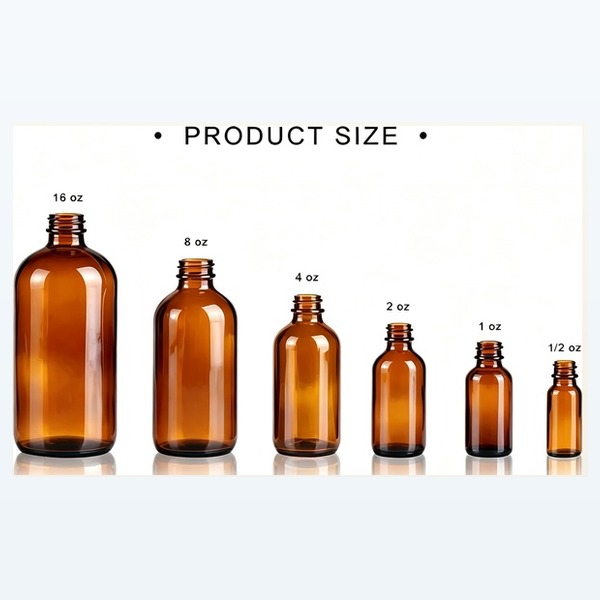
Sizes from 5 ml to 100 ml, amber vs cobalt vs clear, child-resistant closures and neck finishes.
Product stability, barrier properties, brand perception, shipping cost and real unit economics.
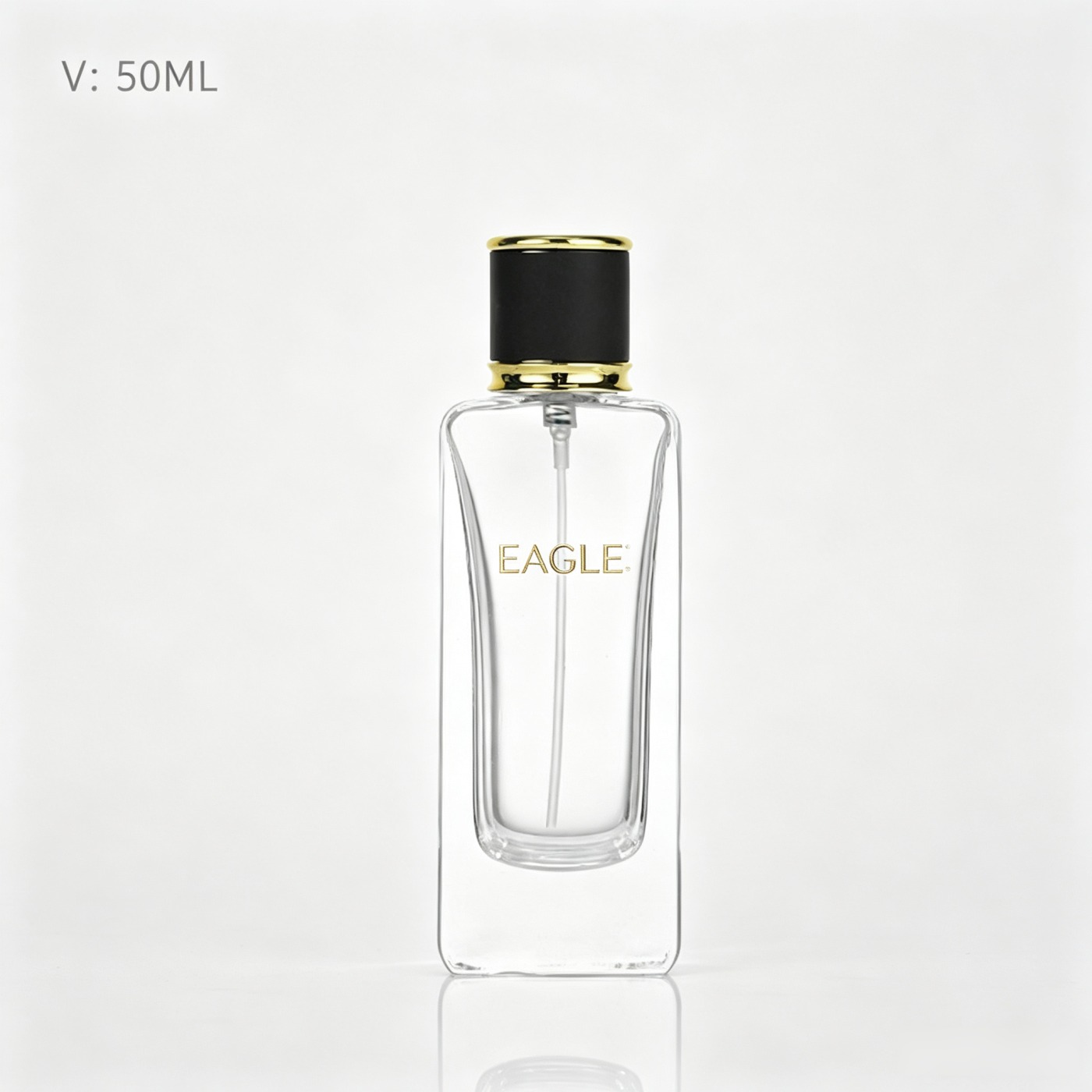
What each size is really for, spray counts, crimp vs screw closures and how to plan your range.
Nine stages, the documents you need, landed cost and the five costly mistakes.
Typical minimums by product, price tiers and five ways to lower your MOQ.
Capacity vs brimful, neck finishes like 18/415, tolerances and closure fit.

16 CFR 1700, ASTM D3475 and Health Canada requirements side by side.

What the test panels measure, closure classes, and what to demand from suppliers.
Sizing, glass type, airtight seals and the North American compliance checklist.
UV protection, cost and shelf appeal compared — plus a decision framework.
Sizing, glass vs silicone, CR closures and how to cut product left in the jar.
Neck finish codes like 53-400, liner selection and how to test a seal.
A clear, repeatable process — so you always know what happens next and when your shipment leaves.
Tell us shape, capacity, quantity and decoration. We send a detailed quote within 24 hours.
Stock samples ship in 3 days; custom pre-production samples in 7–15 days, so you can test before ordering.
5 furnaces and 12 lines run your order, with automatic inspection plus SGS/ISO checks — photos and reports before shipment.
Export cartons and pallets, FOB Shanghai / Qingdao / Ningbo, or DDP straight to your warehouse.
Tell us your sizes, quantities and decoration ideas — free samples are available before you commit.
Contact Us Today