


Manufacturing
How Glass Bottles Are Made: From Furnace to Shipment
Raw materials, 1,550 °C melting, blow and press molding, annealing, inspection and export packing — explained for buyers.
Sep 17, 2026
Glass looks simple on the shelf, but every bottle passes through a furnace at 1,550 °C, a dozen forming stations, a slow 40-metre cooling tunnel and a camera inspection line before it is packed. Knowing how the process actually works helps you ask better questions, spot weak suppliers and understand why one factory quotes more than another. Here is the full journey, stage by stage, from a working factory's point of view.
Almost all packaging glass is soda-lime glass, and the recipe has barely changed in a century:
For amber, cobalt blue, green or black glass, metal oxides are added to the batch: iron and sulphur for amber, cobalt oxide for blue, iron and chromium for green. This is why coloured glass is a genuine formulation decision, not a coating — the colour runs all the way through the wall.
What this means for buyers: ask where the factory sources its sand and whether the batch house is dust-separated by colour. A factory that mixes amber cullet into a flint batch produces pale, inconsistent clear glass.
The raw materials are weighed to within fractions of a percent, blended in large mixers and carried to the furnace as a uniform "batch". Consistency here is invisible but critical — a batch that drifts by even a small margin changes viscosity, which then changes how the glass fills the moulds hours later. Well-run batch houses are enclosed and dust-controlled, both for quality and for the workers' health.
Glass furnaces are not switched on and off — they run continuously for 8 to 15 years (a "campaign") before being rebuilt. Batch enters one end, melts as it travels, and refined, homogeneous glass leaves the other at a steady temperature around 1,150–1,200 °C, ready for forming. Gas and electric (oxy-fuel) firing are the common options; electric furnaces give cleaner glass with fewer seeds and stones, which is one reason premium cosmetic bottles often come from electric lines.
What this means for buyers: furnace condition shows up in your product. A furnace late in its campaign produces more cord, seeds and small stones — the defects that cause silent breakage claims months after delivery.
Two very different routes exist, and it is worth knowing which one your product uses:
A shear cuts a precise "gob" of molten glass, which drops into a blank mould to form a parison — a thick, half-formed bottle. The parison is then transferred to the final mould and finished with compressed air:
High-speed production lines run 6 to 12 moulds per section in rotation. Each mould makes tens of thousands of bottles, which is why a brand-new custom shape carries a mould cost — and why established stock moulds are so much cheaper.
Thin, precise bottles such as essential-oil droppers and vape cartridges are usually made from glass tubing: a continuous glass tube is drawn from the furnace, then cut, heated and shaped into bottles on rotary machines. Tubular glass has a more precise inner diameter and thinner, more uniform walls — the reason dosing pipettes fit consistently. If your supplier makes both moulded and tubular products in-house, ask which route your bottle takes; the answer explains most price differences.
Freshly formed glass cools unevenly — the outside solidifies while the inside is still hot. Left alone, that difference locks internal stress into the bottle, and stressed glass cracks with a light tap. So every bottle passes through a lehr: a long, temperature-controlled tunnel that reheats the glass to about 540–550 °C and cools it back down over 30–60 minutes, relaxing the stress away.
What this means for buyers: stress is invisible until it breaks. Ask how the factory verifies annealing — a properly equipped factory checks samples under a polariscope every shift and keeps the records.
Right after forming, a tin-oxide "hot-end" coating is applied so the glass surface keeps its strength, followed by a "cold-end" polyethylene coating before packing so bottles slide over each other instead of scratching, and fill lines run smoothly. This is also why some bottles feel slightly "waxy" out of the carton — it is the coating, not dirt, and it washes off in filling.
Modern lines run automatic inspection machines that photograph every single bottle and reject those with wall-thickness faults, blisters, stones, cracks, bent necks or out-of-tolerance threads. Dimensions are checked against the specification — the one you should have approved in advance (see our guide to reading a glass bottle specification sheet). After AVM, humans still sample: seam quality, finish polish, and for child-resistant jars, actual push-and-turn function tests.
Decoration happens after annealing and inspection:
One practical note: decoration adds days to lead time and its own inspection pass. If your quote does not itemise decoration separately, ask — it is where most surprises hide.
Before packing, finished goods are sampled against the AQL plan agreed in the purchase contract. Bottles are then counted into cartons with dividers (or tray-packed), palletised, stretch-wrapped and containerised. Good factories photograph the packing and share the loading plan before the truck leaves — because a bottle that survives the furnace can still die on the highway.
| Defect | Where it comes from | What to ask your supplier |
|---|---|---|
| Seeds (small bubbles) | Insufficient refining in the furnace | Furnace type and campaign age; electric vs gas |
| Stones / cord | Contaminated batch or worn furnace | Batch house colour separation; furnace maintenance log |
| Spontaneous cracking | Poor annealing (residual stress) | Polariscope checks; annealing curve records |
| Uneven wall / leaning neck | Worn moulds, wrong gob weight | Mould age; AVM records for the order |
| Weak print that rubs off | Organic ink, under-baked | Ceramic ink + bake temperature; cross-hatch test |
"Nice seals. The glass is heavy with sturdy lids, just as described. Worked great for our needs — we would buy again."
"I’m happy with everything — no complaints at all. Shoutout to the supplier and the workers, very good job!"
Prefer to buy through a platform? Find our verified storefronts below — same factory, same factory-direct pricing.
Buyer guides and packaging know-how from the Eaglebottle team.
Raw materials, 1,550 °C melting, blow and press molding, annealing, inspection and export packing — explained for buyers.
Sizes from 5 ml to 100 ml, amber vs cobalt vs clear, child-resistant closures and neck finishes.
Product stability, barrier properties, brand perception, shipping cost and real unit economics.
What each size is really for, spray counts, crimp vs screw closures and how to plan your range.
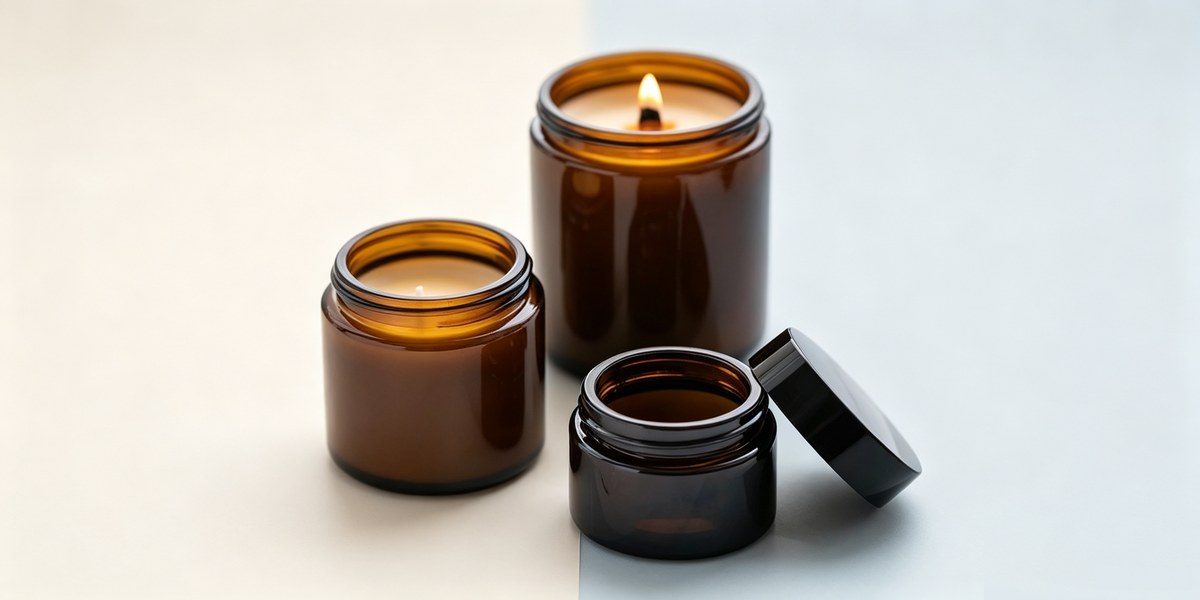
Nine stages, the documents you need, landed cost and the five costly mistakes.
Typical minimums by product, price tiers and five ways to lower your MOQ.
Capacity vs brimful, neck finishes like 18/415, tolerances and closure fit.
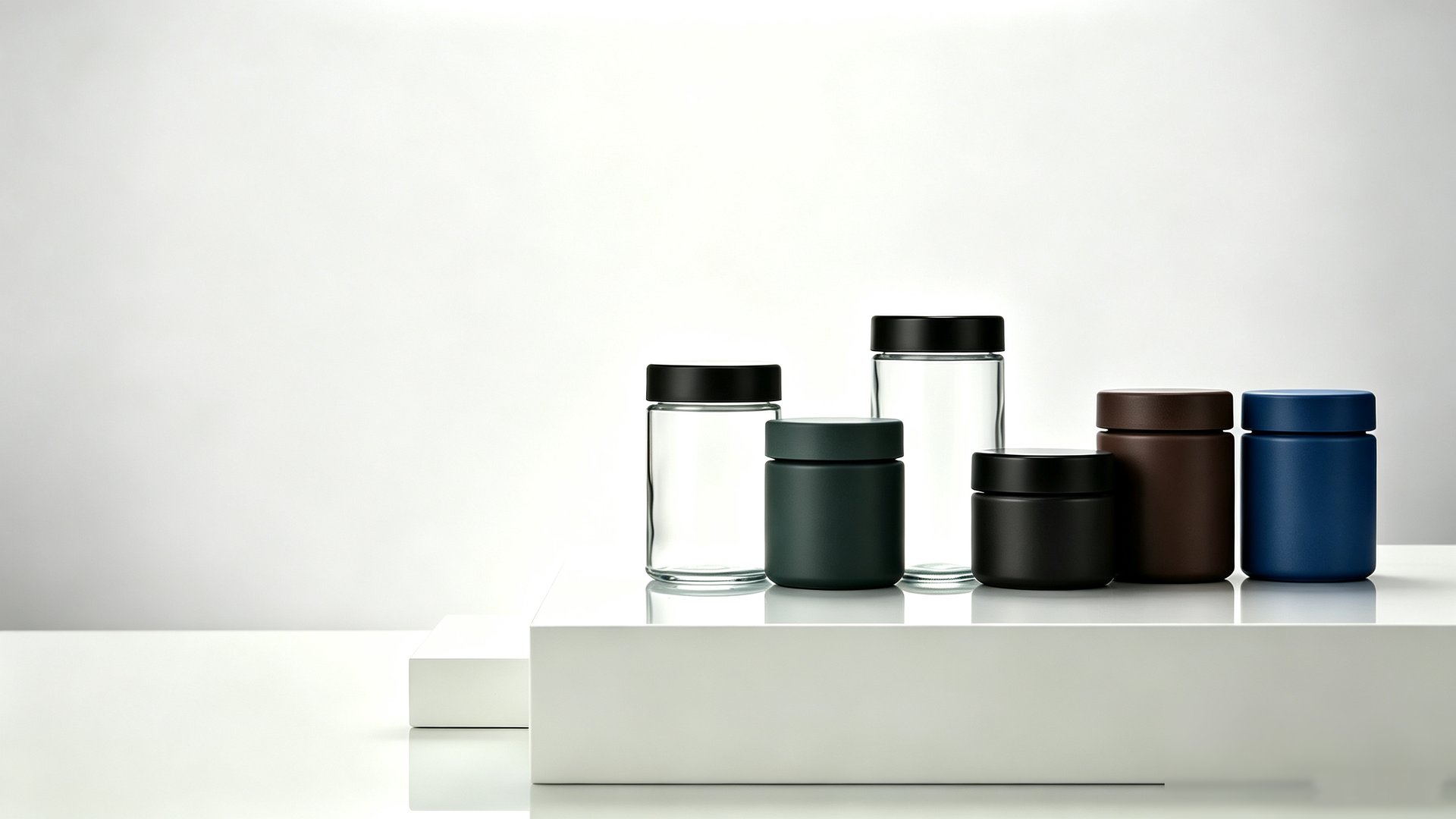
16 CFR 1700, ASTM D3475 and Health Canada requirements side by side.
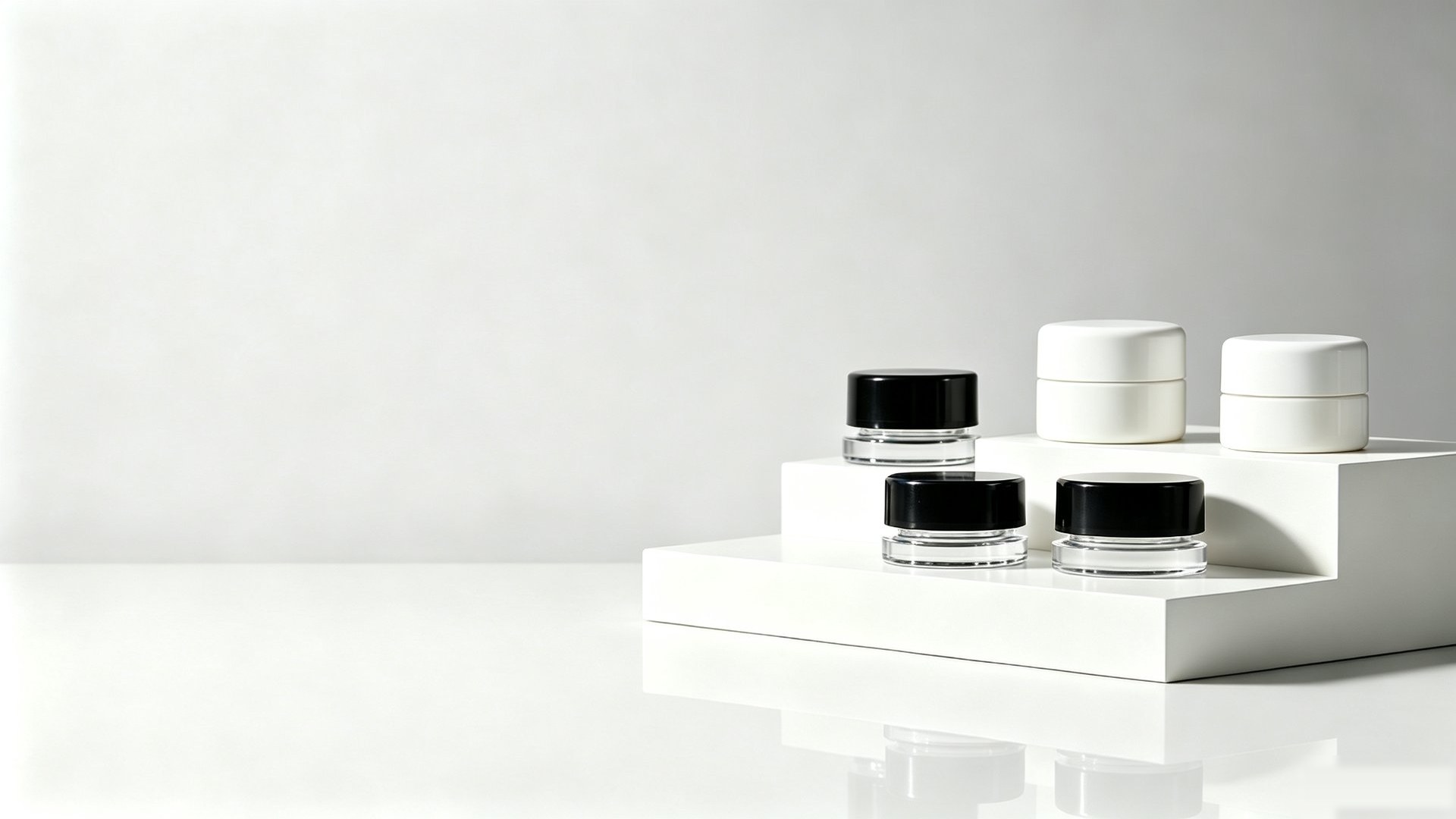
What the test panels measure, closure classes, and what to demand from suppliers.
Sizing, glass type, airtight seals and the North American compliance checklist.
UV protection, cost and shelf appeal compared — plus a decision framework.
Sizing, glass vs silicone, CR closures and how to cut product left in the jar.
Neck finish codes like 53-400, liner selection and how to test a seal.
A clear, repeatable process — so you always know what happens next and when your shipment leaves.
Tell us shape, capacity, quantity and decoration. We send a detailed quote within 24 hours.
Stock samples ship in 3 days; custom pre-production samples in 7–15 days, so you can test before ordering.
5 furnaces and 12 lines run your order, with automatic inspection plus SGS/ISO checks — photos and reports before shipment.
Export cartons and pallets, FOB Shanghai / Qingdao / Ningbo, or DDP straight to your warehouse.
Tell us your sizes, quantities and decoration ideas — free samples are available before you commit.
Contact Us Today