


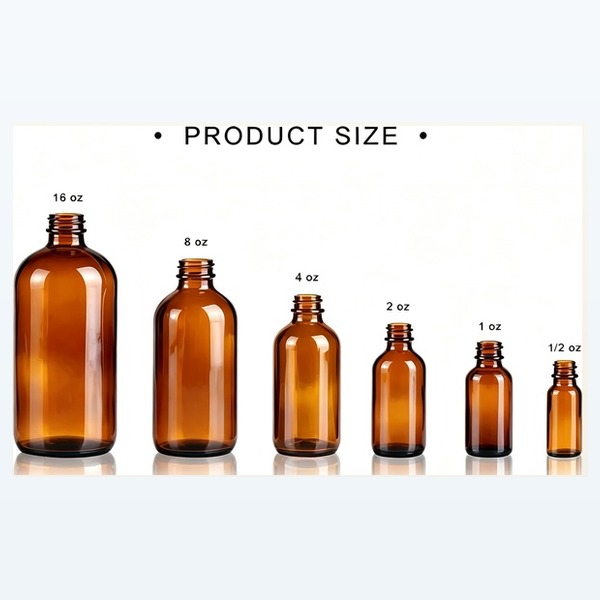
Buyer's Guide
How to Choose the Right Dropper Bottle for Essential Oils
Sizes from 5 ml to 100 ml, amber vs cobalt vs clear, child-resistant closures and neck finishes.
Sep 13, 2026
Glass colour is one of the first decisions you make when specifying a bottle or jar — and one of the easiest to get wrong. Colour decides how much light reaches your product, what it costs you per unit, and how the product looks on a dispensary shelf. Here is how the three main options really differ.
Coloured glass works by absorbing part of the light spectrum instead of transmitting it. That matters because light — especially ultraviolet and short-wavelength blue light — drives oxidation, breaks down volatile aroma compounds and shortens shelf life.
Clear glass transmits roughly 90% of visible light. Amber and cobalt are made by adding different metal oxides to the glass melt, and each one blocks a different slice of the spectrum.
| Glass colour | Light protection | Relative cost | Typically used for |
|---|---|---|---|
| Amber | High — blocks most UV and short-wave blue light | Low to mid | Essential oils, tinctures, CBD, cannabis flower, light-sensitive actives |
| Cobalt blue | Moderate — blocks some blue light, passes more UV than amber | Mid to high | Premium-looking lines, gift sets, short shelf-life products |
| Clear (flint) | None — full spectrum passes through | Lowest | Food, decorative lines, products where the contents are the selling point |
Amber is produced with iron and sulphur in the melt. The result blocks the great majority of ultraviolet light and a large share of blue light, which is exactly the part of the spectrum that degrades light-sensitive actives and aroma molecules.
For essential oils, tinctures, CBD and cannabis flower, amber is the safe specification. It is also widely available in standard neck finishes, which keeps tooling cost and MOQ low. If you are unsure, amber is rarely the wrong answer.
Cobalt blue comes from cobalt oxide and produces a deep, saturated blue that photographs extremely well. It signals "premium" and is popular for gift and retail lines.
The caveat is protection. Cobalt blocks some blue and green light but passes more UV than amber does, so it is a weaker choice for genuinely light-sensitive formulations. It is also a less common colour in stock moulds, which can push up minimum order quantities and lead times.
Clear glass offers no light protection at all, but it lets the customer see the product — which is a real advantage for honey, jam, spices, decorated candles and anything where colour and clarity are part of the purchase decision.
If your product is light-sensitive and you still want the clear look, consider a UV-filtering clear glass (sometimes called UV glass), a protective outer carton, or amber in a smaller size with a decorative sleeve.
A common misunderstanding: amber glass does not make a bottle opaque, and it does not block all light. Look through an amber bottle and you will still see the liquid inside. What amber does is filter the short-wavelength end of the spectrum — ultraviolet and blue light — while transmitting the longer wavelengths. That is exactly why it works: the damaging wavelengths are absorbed, and the visible ones still let you judge fill level and clarity.
If a formulation is genuinely sensitive enough that any light at all is a problem, the answer is an opaque container — black glass, a coated bottle, or an outer carton — rather than a darker shade of amber.
Glass is endlessly recyclable, but colour affects what it can be recycled into. Clear cullet is the most valuable because it can be tinted to any colour downstream. Amber and cobalt cullet can only become more of the same colour, and mixed-colour cullet drops to a lower-value green or amber. If sustainability claims are part of your brand, a clear or standard amber bottle with a high recycled content is easier to substantiate than a custom tint.
"Nice seals. The glass is heavy with sturdy lids, just as described. Worked great for our needs — we would buy again."
"I’m happy with everything — no complaints at all. Shoutout to the supplier and the workers, very good job!"
Prefer to buy through a platform? Find our verified storefronts below — same factory, same factory-direct pricing.
Buyer guides and packaging know-how from the Eaglebottle team.
Sizes from 5 ml to 100 ml, amber vs cobalt vs clear, child-resistant closures and neck finishes.
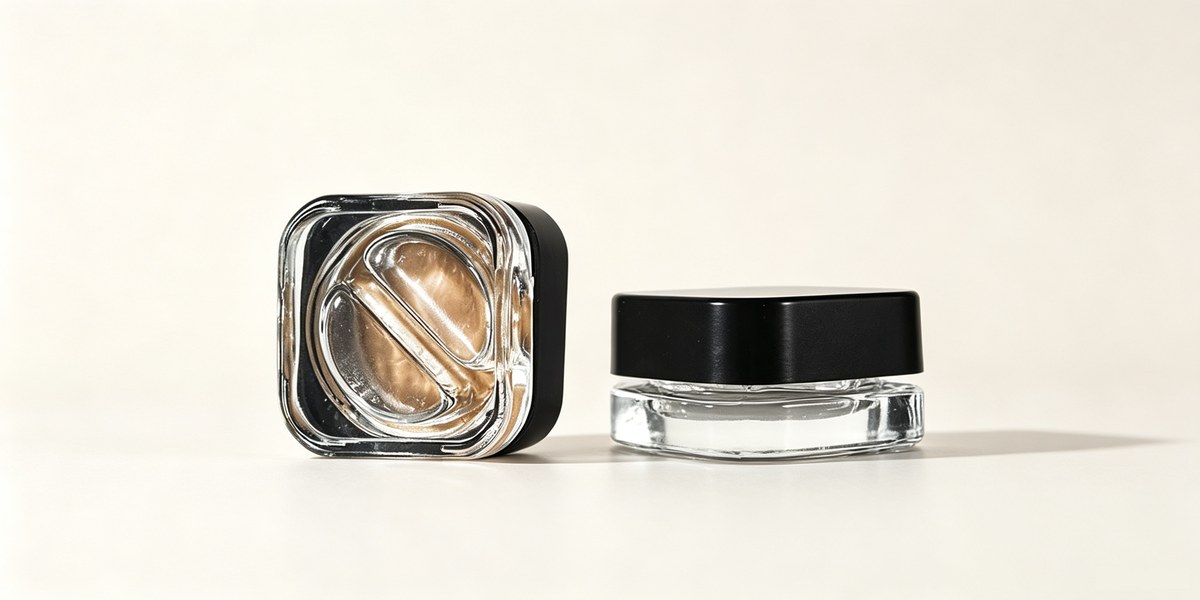
Product stability, barrier properties, brand perception, shipping cost and real unit economics.
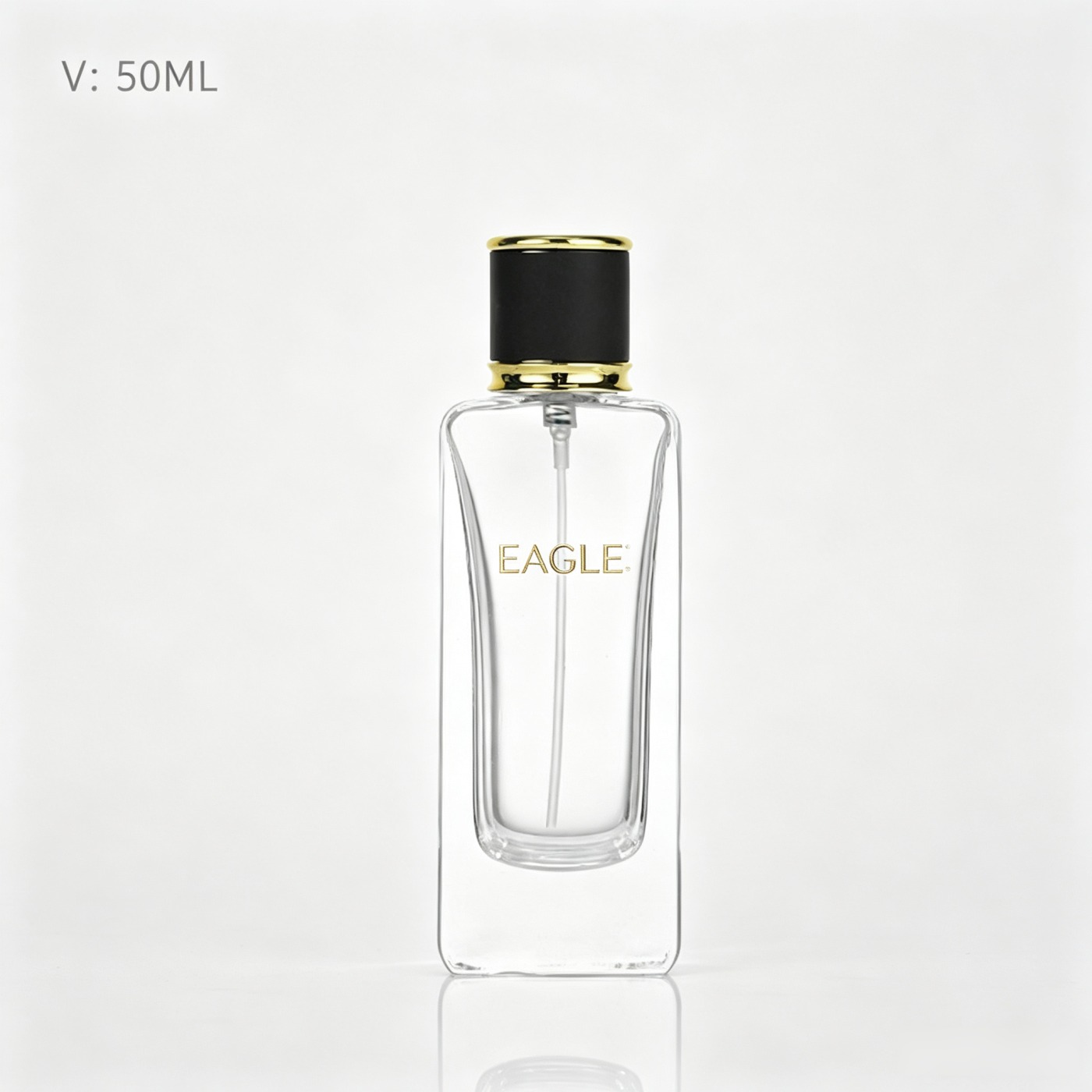
What each size is really for, spray counts, crimp vs screw closures and how to plan your range.
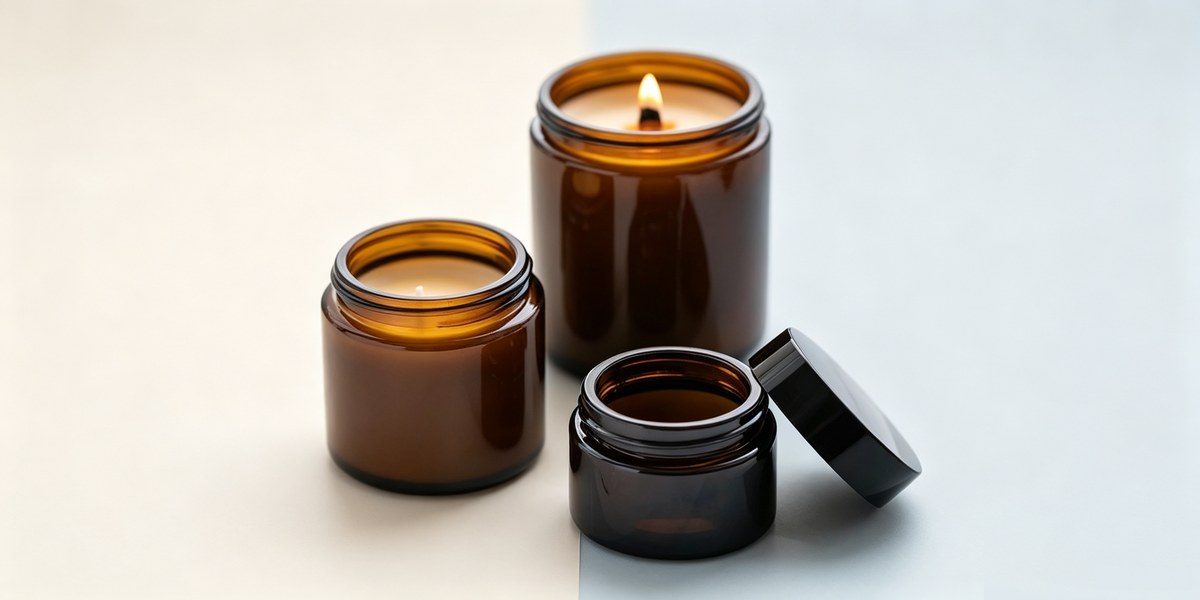
Nine stages, the documents you need, landed cost and the five costly mistakes.
Typical minimums by product, price tiers and five ways to lower your MOQ.
Capacity vs brimful, neck finishes like 18/415, tolerances and closure fit.
16 CFR 1700, ASTM D3475 and Health Canada requirements side by side.
What the test panels measure, closure classes, and what to demand from suppliers.
Sizing, glass type, airtight seals and the North American compliance checklist.
UV protection, cost and shelf appeal compared — plus a decision framework.
Sizing, glass vs silicone, CR closures and how to cut product left in the jar.
Neck finish codes like 53-400, liner selection and how to test a seal.
A clear, repeatable process — so you always know what happens next and when your shipment leaves.
Tell us your sizes, quantities and decoration ideas — free samples are available before you commit.
Contact Us Today