


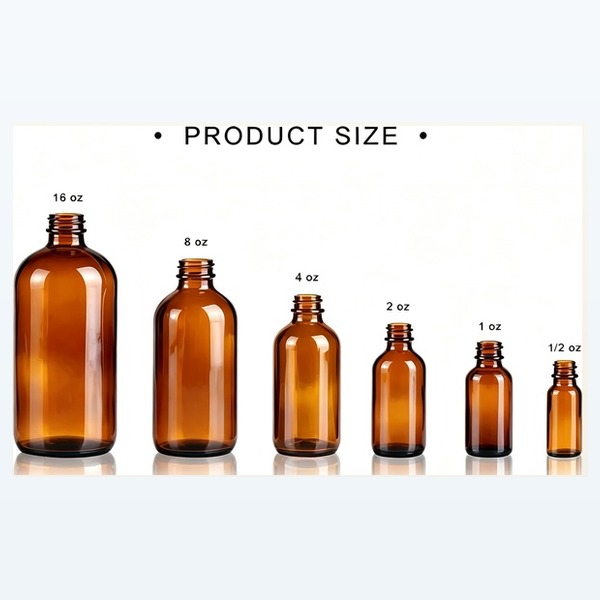
Buyer's Guide
How to Choose the Right Dropper Bottle for Essential Oils
Sizes from 5 ml to 100 ml, amber vs cobalt vs clear, child-resistant closures and neck finishes.
Sep 13, 2026
"Child-resistant" is a testable claim, not a marketing word. If you source CR packaging for the US market, you need to understand what the certification actually measures — and how to check that a supplier's claim is real.
Issued by the CPSC under the Poison Prevention Packaging Act. It defines how testing is performed, including panel composition, timing and pass criteria:
Both conditions must be met. A closure that children cannot open but adults also struggle with will fail.
This standard classifies CR closures by type, so buyers and suppliers can specify an exact mechanism. Common classifications include:
| Class | Mechanism | Typical use |
|---|---|---|
| Type I | Align-and-turn (arrows must line up) | Prescription vials, some jars |
| Type II | Push down and turn | Common on CR jars and vials |
| Type III | Squeeze and turn | Closures with flexible sides |
| Type IV | Latch or lever release | Specialty containers |
When you specify a closure, quote the classification — "CR cap" alone is too vague to source against.
CR closures are not a default for every glass container. They are triggered by the product inside it, and the trigger differs by market. In the United States, the Poison Prevention Packaging Act applies to specific household chemicals, prescription and some over-the-counter medicines, and products containing certain concentrations of substances such as methyl salicylate — which is why wintergreen-heavy essential oil blends often ship in CR dropper bottles rather than standard ones.
Cannabis and hemp-derived products sit in a different layer. State-level rules across most US markets require CR packaging for flower, concentrates and edibles, and several states extend the requirement to the container that reaches the consumer rather than only the outer carton. Nicotine liquids are covered by a separate federal rule. In Canada, the Consumer Chemicals and Containers Regulations impose their own test protocol and add a bilingual warning requirement that is easy to miss when US artwork is reused without review.
The practical question for a buyer is therefore not "should we use CR packaging?" but "which market's rule governs our product, and does our label artwork already satisfy it?" Getting a firm answer before tooling is ordered is far cheaper than revising artwork or a mould afterwards.
This is the point most buyers miss. Testing is performed on a specific bottle with a specific closure. The same cap on a different bottle — different neck finish, different thread height, different liner — may not perform the same way.
What to demand from a supplier:
A CR report is only useful if it describes the exact combination you are buying. Before accepting one, check that it names the specific glass container, the specific closure and the specific liner — down to the mould cavity where tolerances are tight. A report reading "28 mm CR cap, tested" tells you very little about the package you are actually ordering.
It should also state the protocol followed (16 CFR 1700.20 for the United States, or the equivalent for your market), the laboratory that ran the test, the date, the panel composition and the result against both thresholds. A CR closure passes on the strength of two results, not one: children must fail to open it at the required rate, and older adults must still be able to open it at the required rate. A report showing only the child-side outcome is incomplete.
Plan for three to six weeks from sample submission to a signed report, depending on the laboratory's queue — longer if a first attempt fails and a revised closure has to be re-tested. Budgeting is easier once you treat certification as a per-combination cost rather than a per-order one: the fee applies to each container-plus-closure-plus-liner combination, so a programme with four jar sizes and two closure options is really eight combinations.
Two scheduling habits save money. First, freeze the mould and liner specification before testing, because a later change usually invalidates the report. Second, run the test alongside your first production run rather than after it, so certification and launch move together instead of in sequence.
| Check | Why |
|---|---|
| CR test report for the exact combination | Proves the claim |
| Neck finish matches tested sample | A 415 vs 410 mismatch changes performance |
| Application torque specified | Over- or under-torquing defeats the mechanism |
| Liner type confirmed | Affects seal and opening force |
| Re-test plan for new production | Catches drift between batches |
| Adult usability considered | Too hard to open drives complaints and returns |
There is a real tension here. Make a closure too easy and it fails the child panel; too hard and adults — particularly older customers — cannot open it, which generates complaints and can push regulators to look again.
Good CR packaging threads that needle: it passes both panels with margin. When evaluating samples, have several adults of different ages actually open and reclose them.
Regulators and retail buyers ask for these. Having them ready shortens approvals and builds trust.
When a combination fails, the cause is almost always mechanical rather than chemical, and it is usually one of four things. Uneven application torque on the filling line is the most common: a closure that passes on a hand-tightened sample can behave differently when a capping head applies it inconsistently across a run. Second is neck-finish tolerance. Glass moulds wear, and a neck drifting outside its stated range will not engage the closure the way the test sample did.
Third is liner compression set. A liner that takes a permanent set after weeks in a warehouse may release differently from a fresh one, which matters because the test panel is not the only consumer — the package also has to survive storage and a second opening. Fourth is simply the wrong combination: a closure validated on one jar being specified for another without re-testing. All four are preventable, and all four are cheaper to prevent than to discover after a container has cleared customs.
"Nice seals. The glass is heavy with sturdy lids, just as described. Worked great for our needs — we would buy again."
"I’m happy with everything — no complaints at all. Shoutout to the supplier and the workers, very good job!"
Prefer to buy through a platform? Find our verified storefronts below — same factory, same factory-direct pricing.
Buyer guides and packaging know-how from the Eaglebottle team.
Sizes from 5 ml to 100 ml, amber vs cobalt vs clear, child-resistant closures and neck finishes.
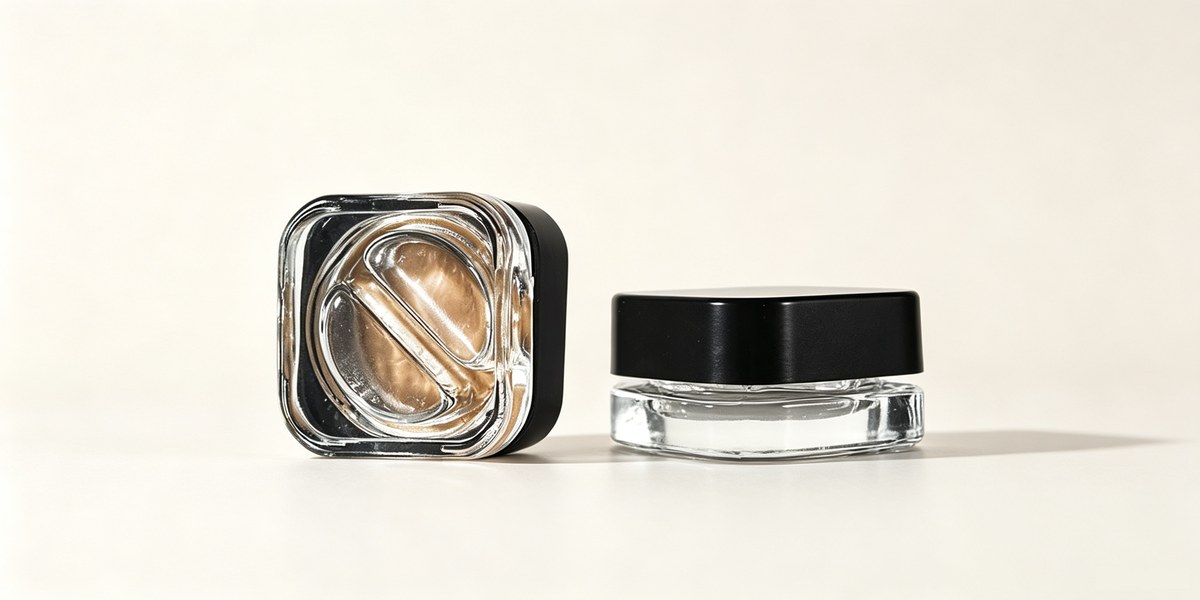
Product stability, barrier properties, brand perception, shipping cost and real unit economics.
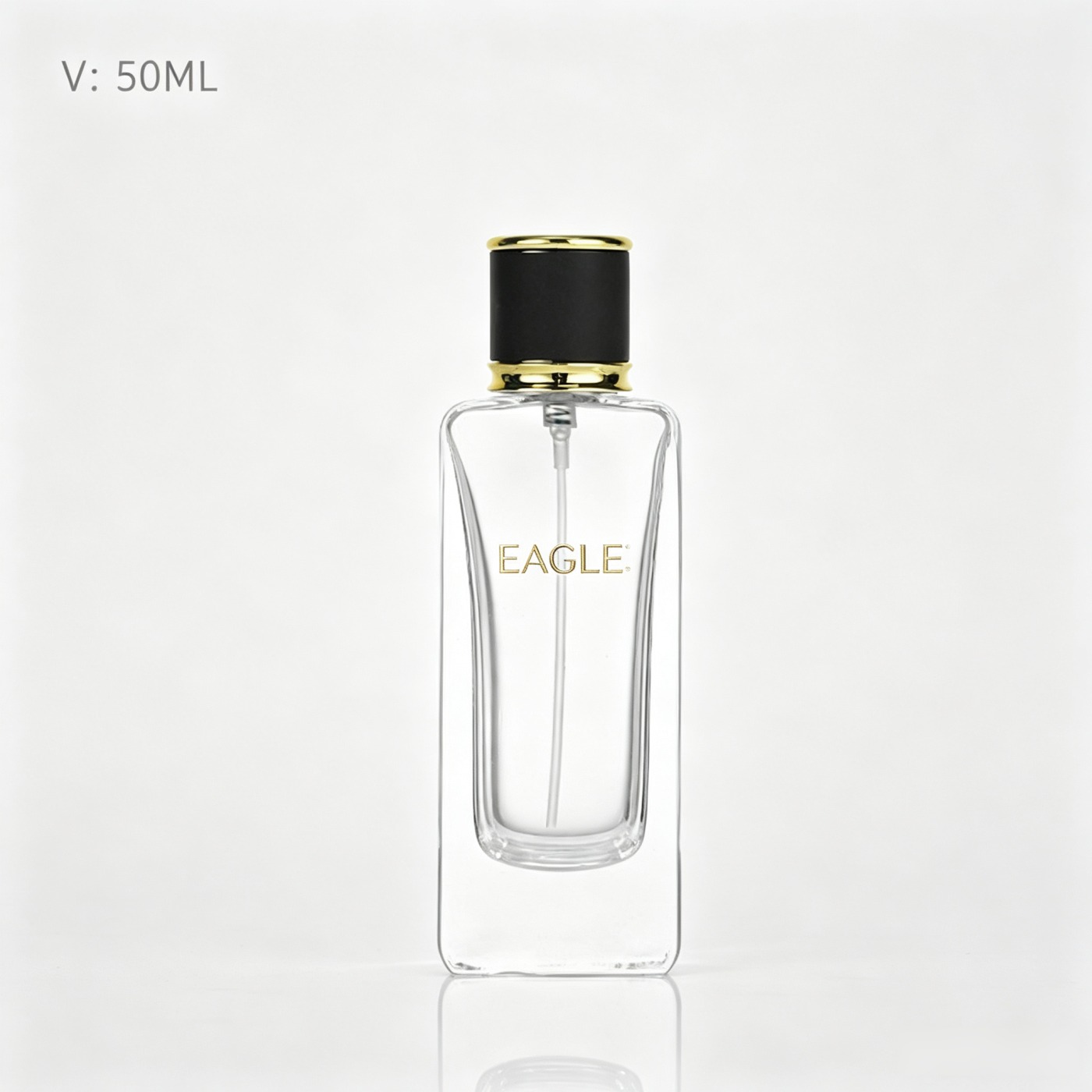
What each size is really for, spray counts, crimp vs screw closures and how to plan your range.

Nine stages, the documents you need, landed cost and the five costly mistakes.
Typical minimums by product, price tiers and five ways to lower your MOQ.
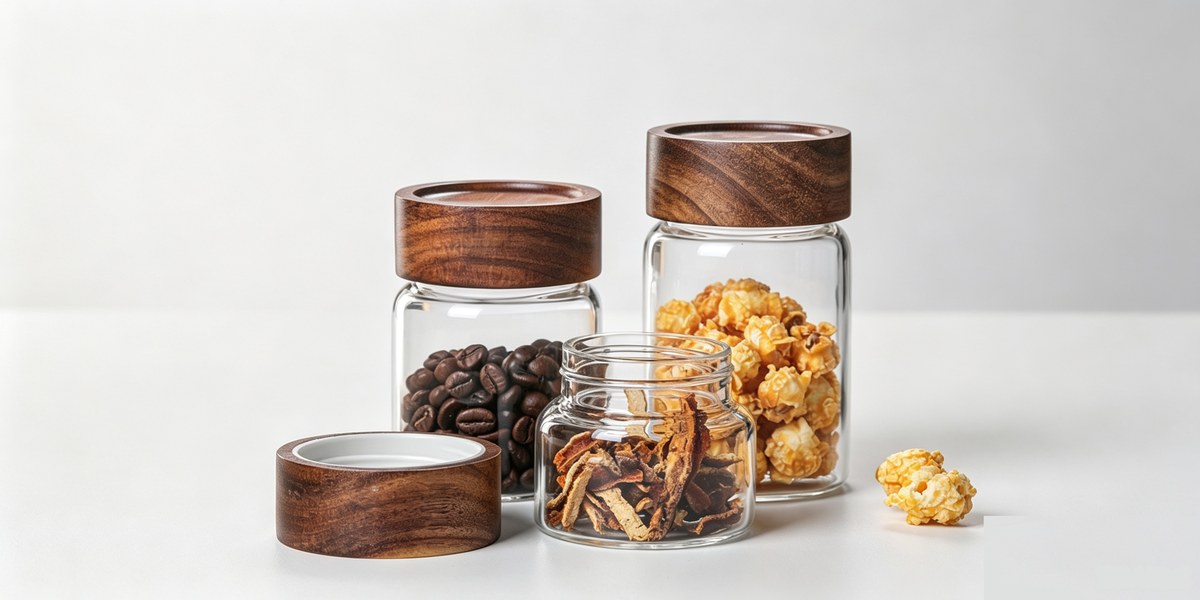
Capacity vs brimful, neck finishes like 18/415, tolerances and closure fit.

16 CFR 1700, ASTM D3475 and Health Canada requirements side by side.

What the test panels measure, closure classes, and what to demand from suppliers.
Sizing, glass type, airtight seals and the North American compliance checklist.
A clear, repeatable process — so you always know what happens next and when your shipment leaves.
Tell us your sizes, quantities and decoration ideas — free samples are available before you commit.
Contact Us Today