


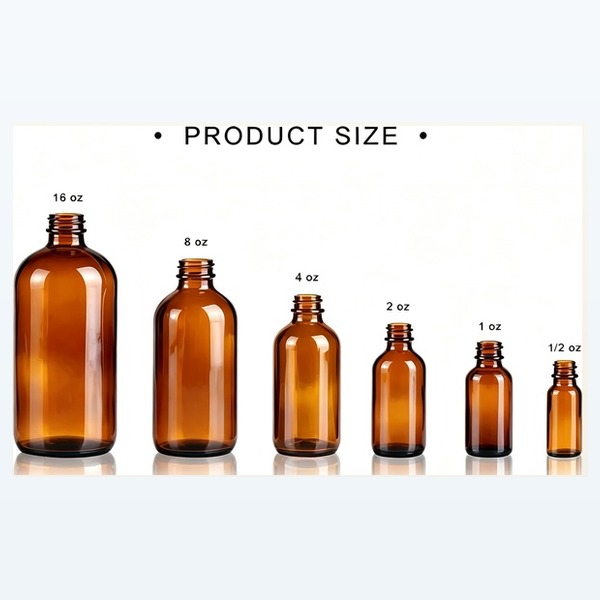
Buyer's Guide
How to Choose the Right Dropper Bottle for Essential Oils
Sizes from 5 ml to 100 ml, amber vs cobalt vs clear, child-resistant closures and neck finishes.
Sep 13, 2026
Of all the decisions in a jar specification, mouth size has the most direct effect on how the package behaves in real life — how fast it fills, how easily it empties, how well it cleans, and how much the closure costs. It is also the decision buyers most often make by accident, by inheriting a mould without asking what the opening is for. Here is how wide mouth and regular mouth jars actually differ, and where each one wins.
Jar openings are defined by the neck finish — the coded system that describes the thread diameter and style where the cap engages. A finish of 53-400 means a thread about 53 mm across; 89-400 means about 89 mm. The "400" is the thread series, and it is what makes a cap from one supplier fit a jar from another.
In everyday terms:
| Neck finish (mm) | Class | Typical capacity range | Common uses |
|---|---|---|---|
| 38–48 | Regular | 5–60 ml | Concentrate jars, cosmetics, samples |
| 53–58 | Regular | 30–120 ml | Cream jars, small food jars, salves |
| 63–70 | Regular | 100–350 ml | Standard jam jars, sauces, honey |
| 89 | Wide | 200–950 ml | Pickles, canning, salsa, hand-packed flower |
| 110–120 | Wide | 500–2000 ml | Bulk food, large candle vessels, storage |
Capacity and mouth size are independent choices to a point — you can find a 200 ml jar with a 58 mm or an 89 mm opening — but stock moulds cluster around the combinations above, and stepping outside them means tooling cost and higher MOQs.
| Wide mouth (89 mm+) | Regular mouth (38–70 mm) | |
|---|---|---|
| Hand-filling solids | Excellent | Poor to fair |
| Pouring liquids | Poor | Excellent |
| Closure unit cost | Higher | Lower |
| Freight efficiency | Lower (squat, wide) | Higher (tall, narrow) |
| Cleaning and reuse | Easy | Requires a brush |
| Seal reliability for liquids | Fair | Excellent |
| Humidity pack placement | Flat under lid | Folded or wedged |
| Product | Recommended mouth | Why |
|---|---|---|
| Cannabis flower, hand-packed | Wide (if the size allows) | Gentle trichome handling; pack fits flat |
| Concentrates and waxes | Regular, low-profile | Small quantities; CR closures standard; minimises headspace |
| Jams, preserves, pickles | Wide | Chunky fill; consumer scooping |
| Honey, syrups, sauces | Regular | Pour control; smaller seal area |
| Spices and powders | Regular + sifter fitment | Controlled shake-out |
| Creams, salves, balms | Regular | Finger or spatula access is enough at small sizes |
| Candles | Wide | Wick setting and clean burn pool |
| Bulk storage and refill | Wide | Scoop access is the whole point |
The jar itself may cost barely more in a wide-mouth format, but two costs follow the mouth size everywhere: the closure and the freight. Bigger caps cost more per unit and use more plastic; wider, squatter jars cube out cartons faster and can push a shipment into the next freight bracket. If your product works in a regular-mouth jar, the savings are structural and permanent. If your product genuinely needs a wide mouth, pay for it knowingly and design the carton around the shape rather than discovering the pallet math after the order ships.
Child-resistant certification is granted to a specific closure, tested on a specific finish. If you are choosing a wide-mouth jar for a regulated product, confirm that a certified CR closure exists for that exact finish before you fall in love with the jar — wide CR closures exist but the selection is narrower, and testing your own combination is a project, not a purchase. See our guide to CR certification for how the testing actually works.
"Nice seals. The glass is heavy with sturdy lids, just as described. Worked great for our needs — we would buy again."
"I’m happy with everything — no complaints at all. Shoutout to the supplier and the workers, very good job!"
Prefer to buy through a platform? Find our verified storefronts below — same factory, same factory-direct pricing.
Buyer guides and packaging know-how from the Eaglebottle team.
Sizes from 5 ml to 100 ml, amber vs cobalt vs clear, child-resistant closures and neck finishes.
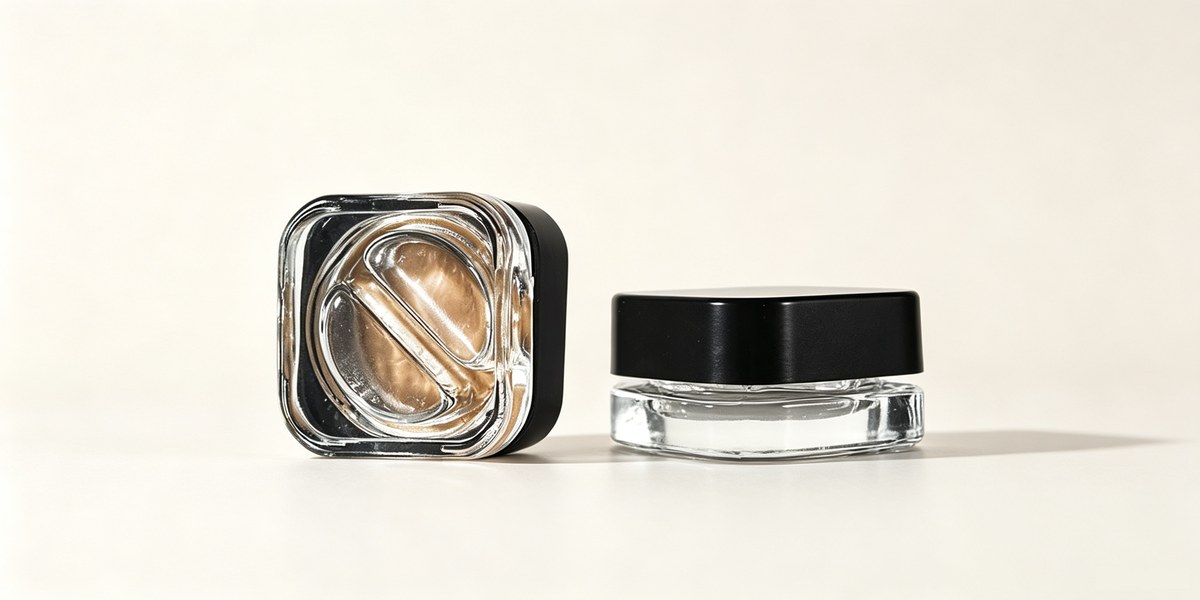
Product stability, barrier properties, brand perception, shipping cost and real unit economics.
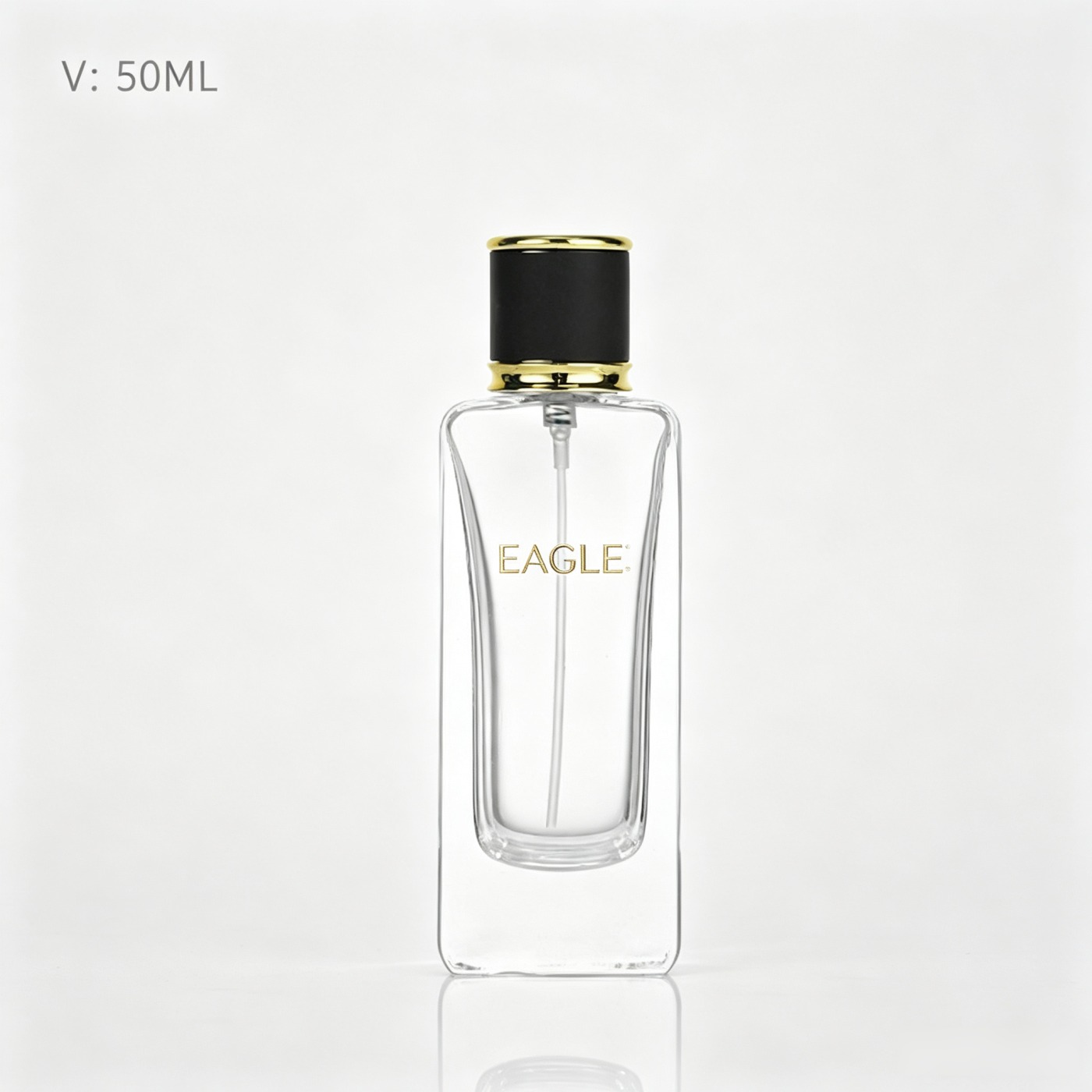
What each size is really for, spray counts, crimp vs screw closures and how to plan your range.

Nine stages, the documents you need, landed cost and the five costly mistakes.
Typical minimums by product, price tiers and five ways to lower your MOQ.
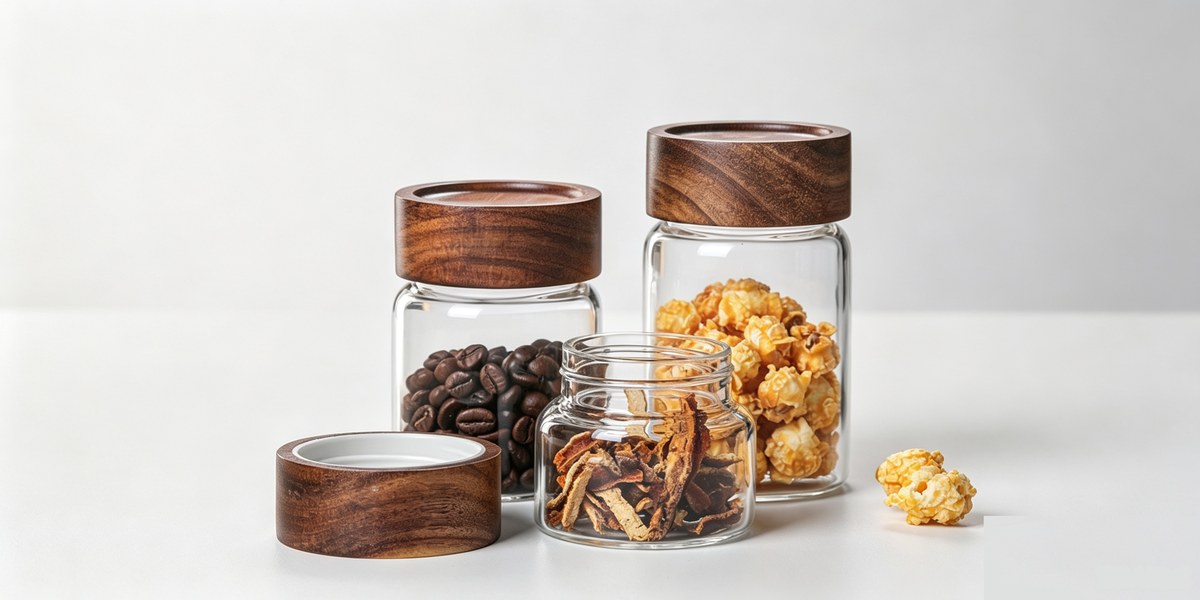
Capacity vs brimful, neck finishes like 18/415, tolerances and closure fit.

16 CFR 1700, ASTM D3475 and Health Canada requirements side by side.

What the test panels measure, closure classes, and what to demand from suppliers.
Sizing, glass type, airtight seals and the North American compliance checklist.
UV protection, cost and shelf appeal compared — plus a decision framework.
Sizing, glass vs silicone, CR closures and how to cut product left in the jar.
Neck finish codes like 53-400, liner selection and how to test a seal.
A clear, repeatable process — so you always know what happens next and when your shipment leaves.
Tell us shape, capacity, quantity and decoration. We send a detailed quote within 24 hours.
Stock samples ship in 3 days; custom pre-production samples in 7–15 days, so you can test before ordering.
5 furnaces and 12 lines run your order, with automatic inspection plus SGS/ISO checks — photos and reports before shipment.
Export cartons and pallets, FOB Shanghai / Qingdao / Ningbo, or DDP straight to your warehouse.
Tell us your sizes, quantities and decoration ideas — free samples are available before you commit.
Contact Us Today