


Buyer's Guide
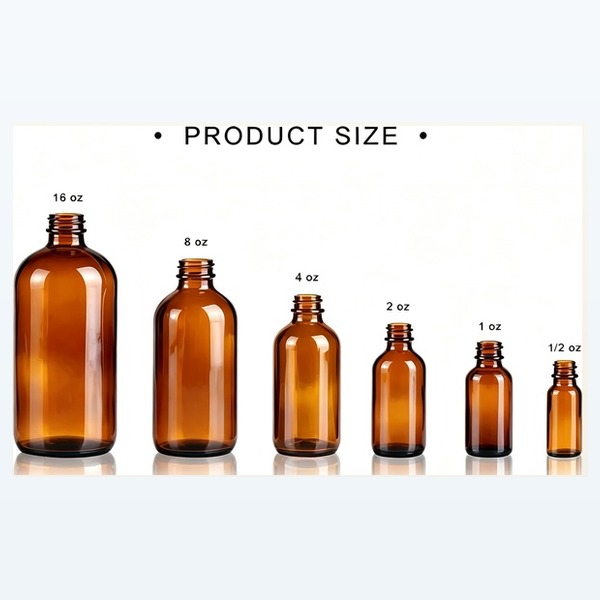
How to Choose the Right Dropper Bottle for Essential Oils
Sizes from 5 ml to 100 ml, amber vs cobalt vs clear, child-resistant closures and neck finishes.
Sep 13, 2026
Pre-rolls are the fastest-moving format on dispensary shelves, and the tube is the first thing a customer holds. The right tube protects the joint, clears compliance and reads premium in the hand; the wrong one rattles, leaks smell or fails a CR audit. This guide covers the decisions that matter when sourcing glass pre-roll tubes at wholesale.
The category covers three related formats, and factories quote them differently:
All three share the same critical components: the tube body, a closure (usually a pop-top), and the seal that keeps the smell in.
Tube length follows the weight of the pre-roll it holds. The industry has settled on a familiar ladder:
| Tube length | Typical fill | Notes |
|---|---|---|
| 84–90 mm | 0.5 g pre-roll | The most common retail size |
| 109–116 mm | 1 g pre-roll | Standard for full-gram joints |
| 120 mm+ | 1–2 g / king size | Extra headroom for cones and larger rolls |
| 60–75 mm | 0.5–1 g vape cartridge | Slim bore, protects cart and mouthpiece |
Measure with the product actually inside: a crimped tip, a glass tip or a large cone head all change the minimum internal length. Order samples and do a fit test before committing to a full run — a tube that is 3 mm too short is a returned pallet.
Most pre-roll tubes on the market are plastic, so choosing glass is a positioning decision. Glass gives the tube real weight and a premium feel, it is completely inert so it does not add odor or taste, and it signals quality on the shelf — which supports a higher retail price for the pre-roll inside. It is also reusable and recyclable, which matters to a growing share of buyers.
Plastic costs less per unit and weighs less in freight. A common compromise among brands is to run glass tubes for the flagship strain and plastic for the value line, letting the packaging itself carry the price difference.
In the US and Canada, pre-roll packaging must be child-resistant. The dominant closure for tubes is the pop-top: squeeze or snap to unlock, and it re-locks automatically, which keeps it CR-compliant after the first opening.
Two rules protect you when sourcing:
See our guides on US vs Canada CR rules and how CR certification works for the regulatory detail.
A pre-roll tube has one preservation job: keep terpenes in and oxygen out until purchase. On a pop-top tube the seal lives in the cap — a silicone ring that compresses when the top snaps shut. Quality checks that matter at receipt:
Most brands print the brand mark on the tube and label the compliance text, so a single stock tube serves multiple markets.
Glass weight is the first driver — a heavier tube feels better and costs more to buy and to ship. Closure type is the second: a tested CR pop-top sits above a plain friction cap. Decoration adds setup per colour, and quantity moves everything: the gap between a 1,000-piece minimum and a 10,000-piece order is substantial, so ask for a quantity-break table rather than a single unit price.
"Nice seals. The glass is heavy with sturdy lids, just as described. Worked great for our needs — we would buy again."
"I’m happy with everything — no complaints at all. Shoutout to the supplier and the workers, very good job!"
Prefer to buy through a platform? Find our verified storefronts below — same factory, same factory-direct pricing.
Buyer guides and packaging know-how from the Eaglebottle team.
Sizes from 5 ml to 100 ml, amber vs cobalt vs clear, child-resistant closures and neck finishes.
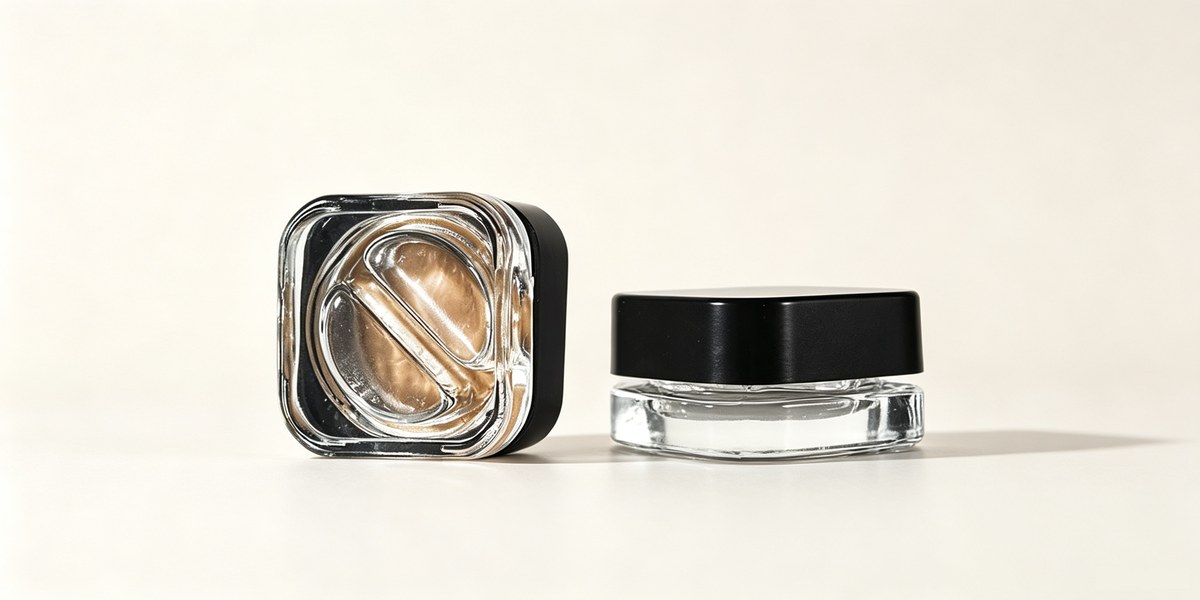
Product stability, barrier properties, brand perception, shipping cost and real unit economics.
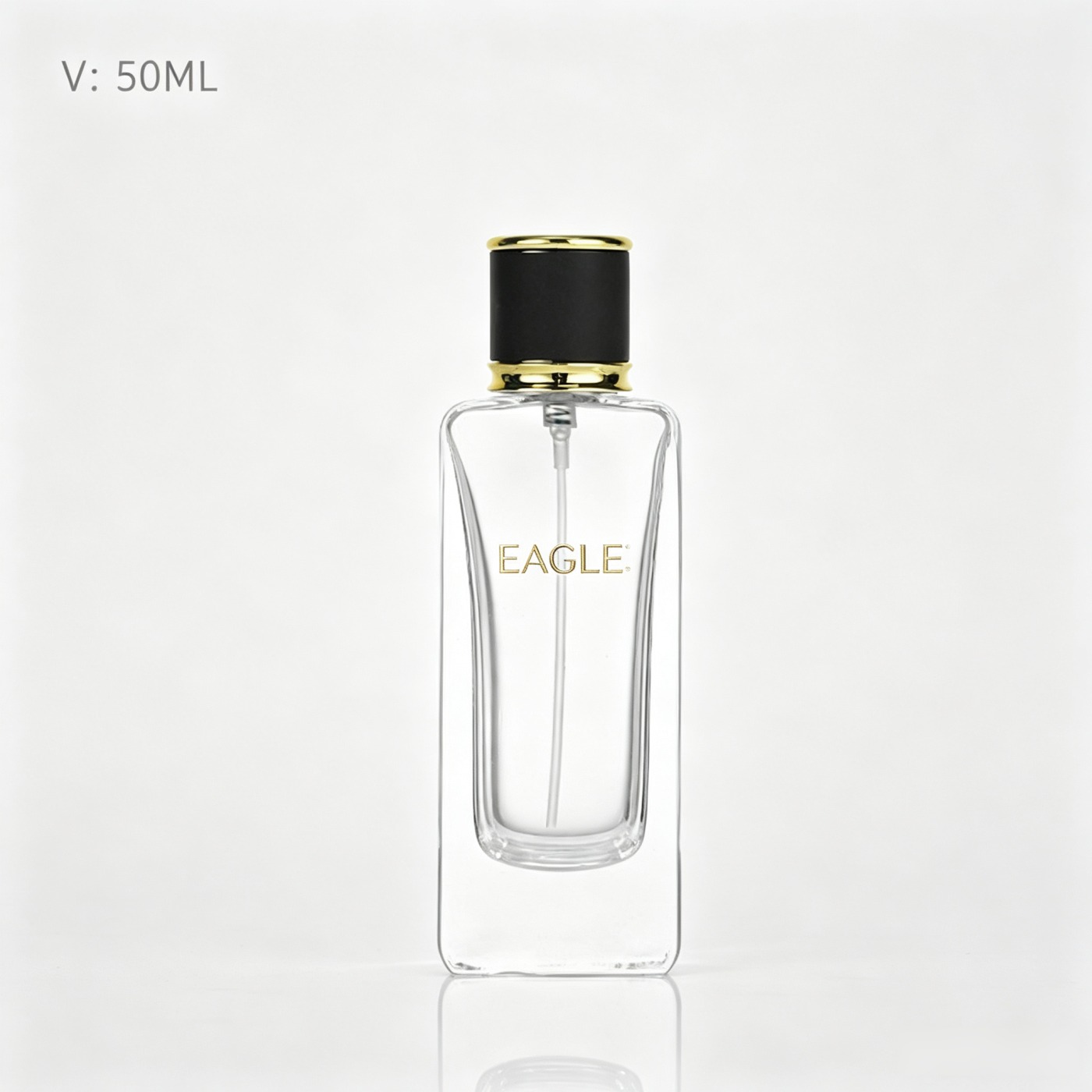
What each size is really for, spray counts, crimp vs screw closures and how to plan your range.

Nine stages, the documents you need, landed cost and the five costly mistakes.
Typical minimums by product, price tiers and five ways to lower your MOQ.
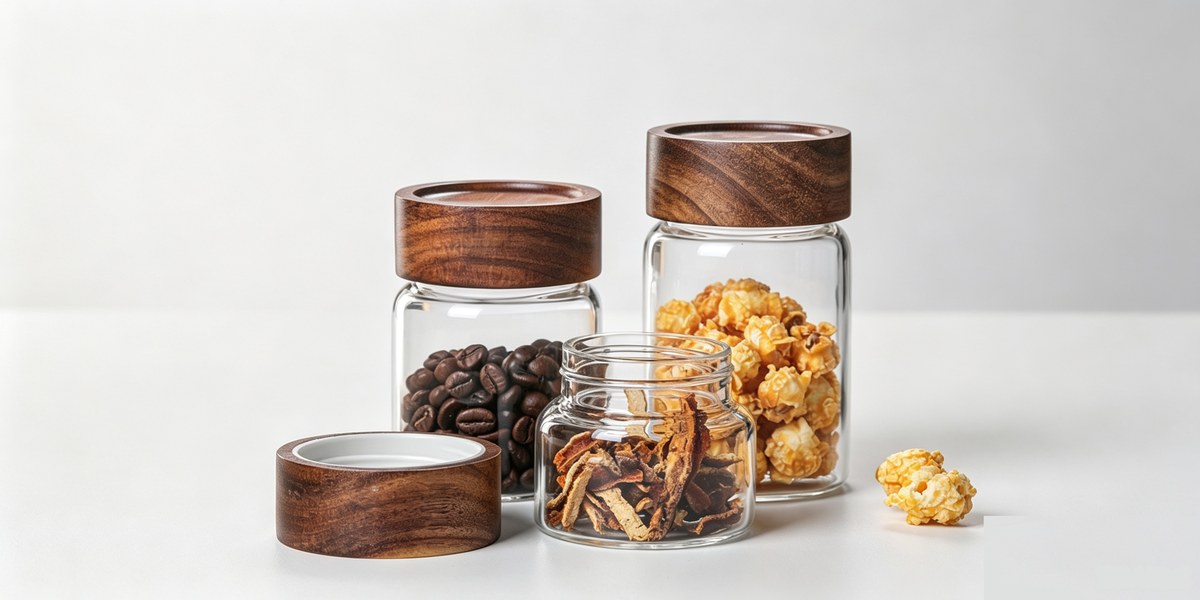
Capacity vs brimful, neck finishes like 18/415, tolerances and closure fit.

16 CFR 1700, ASTM D3475 and Health Canada requirements side by side.

What the test panels measure, closure classes, and what to demand from suppliers.
Sizing, glass type, airtight seals and the North American compliance checklist.
A clear, repeatable process — so you always know what happens next and when your shipment leaves.
Tell us shape, capacity, quantity and decoration. We send a detailed quote within 24 hours.
Stock samples ship in 3 days; custom pre-production samples in 7–15 days, so you can test before ordering.
5 furnaces and 12 lines run your order, with automatic inspection plus SGS/ISO checks — photos and reports before shipment.
Export cartons and pallets, FOB Shanghai / Qingdao / Ningbo, or DDP straight to your warehouse.
Tell us your sizes, quantities and decoration ideas — free samples are available before you commit.
Contact Us Today