


Compliance Guide
Tamper-Evident Jars for Cannabis: Seals, Bands and Rings
Shrink bands, tear tabs, breakable rings and induction seals compared — and how to pair them with CR closures.
Sep 23, 2026
The craft beverage boom changed what a glass bottle has to do. A 1990s juice bottle was a generic 250 ml round; a 2026 cold-pressed juice, kombucha, functional soda or small-batch spirit bottle has to carry UV protection, a heat-treatable finish, a closure that handles carbonation pressure, and a label panel that survives refrigeration. This guide walks through how to specify glass beverage bottles for the actual products your line will fill, with the numbers that matter — pressure rating, UV transmission, fill temperature differential and closure torque — rather than the generic “pick a bottle you like” approach that costs craft brands real money on the first rejected pallet.
The single most common mistake is picking a bottle first. Glass colour, wall thickness, closure type and shape all flow from what you are filling. A kombucha at 3.5 volumes of CO2 pressure needs a closure rated for at least 4 atmospheres and a bottle shape that does not amplify pressure stress at the shoulder. A cold-pressed juice that ships refrigerated needs amber glass or a UV-blocking lacquer to slow oxidation of vitamin C and anthocyanins. A functional soda at ambient fill needs a hot-fill-rated glass (typically a borosilicate blend or a tempered soda-lime) and a closure with a heat-resistant liner. If your product is non-carbonated and ambient-stable (syrups, vinegars, oils), the specification relaxes and the field opens up. Decide the product constraints first; choose the bottle second.
Colour is the largest single factor in glass cost after decoration, and it is also the largest factor in product shelf life. Amber glass blocks roughly 80% of UV transmission in the 300–400 nm range and is the standard for any product sensitive to light degradation: kombucha, hop-forward beer, citrus juice, vitamin-fortified water, cold-pressed green juice. Flint (clear) glass is the right choice when the product itself looks like the marketing: rose-petal lemonade, vibrantly coloured cold brew, anything where the colour sells. Green glass sits in between and carries a heritage cue that works for Italian sodas, premium waters, and traditional apothecary-style tonics. Frosted glass (acid-etched or spray-coated) is the premium tier and suits only non-pressure beverages because the frost hides content — you cannot see the fill level.
Carbonated beverages need a bottle and seal combination that holds the working pressure plus a safety margin. The convention is to size for at least 1.5x the working pressure. A kombucha at 3.5 volumes CO2 (~5 bar at 25 °C) needs a closure and bottle rated to 7.5 bar minimum; most commercial kombucha lines run 8–10 bar bottles. A sparkling water at 4 volumes (~6 bar) needs a closure rated to 9 bar. The factory-side specification to confirm with your glass supplier: hydrostatic pressure test (typically 12–15 bar for carbonated-suitable bottles), and the closure torque after pressure test (no leaks at 1.5x working pressure). Pressure-sensitive products on standard sauce-bottle glass are the leading cause of craft beverage line failures — the bottle looks fine on the spec sheet but the shoulder cracks on the third pallet out.
Three closures dominate craft beverage lines. Crown caps (the standard beer bottle 26 mm) are the right choice for fermented carbonated products and work with both amber and flint. Continuous-thread (CT) closures with a roll-on or pre-threaded finish suit juices, cold brew, and functional sodas; they accept a heat-sealed induction liner for tamper evidence and oxygen barrier. Swing-top (also called flip-top or Grolsch-style) closures are the premium choice for kombucha and small-batch beer that needs re-sealability; they require a thicker bottle finish and a heavier glass. The specification to ask your supplier for is the closure-finish dimensional check (T dimension, E dimension, H dimension, per bottle finish standards) and the liner compatibility statement against your specific product — a standard PE liner is not the same as an oxygen-barrier liner, and the wrong liner shortens shelf life.
If your line fills at 85± °C, the bottle must be hot-fill-rated. Standard soda-lime glass tolerates thermal shock of roughly 40 °C differential; hot-fill-rated glass (typically with a tempered finish) handles 60± °C. The differentiation matters because a standard jar dropped from 90 °C to 25 °C on a wet line can shatter — not crack, shatter. Two specifications to require from your glass supplier: thermal shock test (typically 42 °C cold shock for hot-fill-rated bottles), and the bottle’s thermal coefficient data. If you fill at ambient temperature, any standard bottle is fine and you save the hot-fill premium.
Craft beverage labels run the gamut from kraft paper to full-body shrink sleeve. The constraint to check is the label panel — the cylindrical surface that sits between the two shoulders. A short panel forces a small label; a tall panel accepts a wraparound. For a 250 ml juice bottle, a label panel of at least 55×180 mm is the minimum to fit a craft front-and-back label; for a 500 ml bottle, 70×220 mm. Specify the panel on the PO. The decoration to discuss with the factory is silk-screen (permanent, dishwasher-safe) for brand marks on clear glass, or shrink sleeve (full-body, photographic, replaceable) for product photography and ingredient panels. Both are common; the trade-off is permanence versus flexibility.
| Use case | Common size | Glass colour | Closure |
|---|---|---|---|
| Cold-pressed juice (retail) | 250–500 ml | Amber or flint | 38 mm CT + oxygen liner |
| Kombucha | 330–500 ml | Amber | 26 mm crown or swing-top |
| Cold brew coffee | 250–1000 ml | Amber or flint | 38 mm CT + oxygen liner |
| Functional soda | 250–355 ml | Flint or green | 26 mm crown or 28 mm CT |
| Craft spirits (small batch) | 375–750 ml | Flint or green | 18.5 mm bar top or 21.5 mm screw |
| Premium water | 330–750 ml | Flint or frosted | 28 mm CT with tamper band |
This table is a starting point, not a recipe — your specific product may want different combinations, and the factory’s representative should be able to walk you through the pressure, UV, and finish trade-offs for your exact SKU. The cost difference between a 250 ml amber juice bottle and a 330 ml amber kombucha bottle is roughly 10–20% in tooling, plus the pressure-rating premium. The right way to think about it is: pay for the constraints your product actually has, and no more.
"Nice seals. The glass is heavy with sturdy lids, just as described. Worked great for our needs — we would buy again."
"I’m happy with everything — no complaints at all. Shoutout to the supplier and the workers, very good job!"
Prefer to buy through a platform? Find our verified storefronts below — same factory, same factory-direct pricing.
Buyer guides and packaging know-how from the Eaglebottle team.
Shrink bands, tear tabs, breakable rings and induction seals compared — and how to pair them with CR closures.
Fill points, pipette length, capping torque, filling methods and batch math for small tincture runs.
16 CFR 1700 baseline, exit bags, tamper-evident rules and three practical points for buyers.
Nine stages, documents, landed cost, shipping methods, payment terms and five mistakes buyers repeat.
What amber glass blocks, the stock sizes and finishes, closure options and how to specify them.
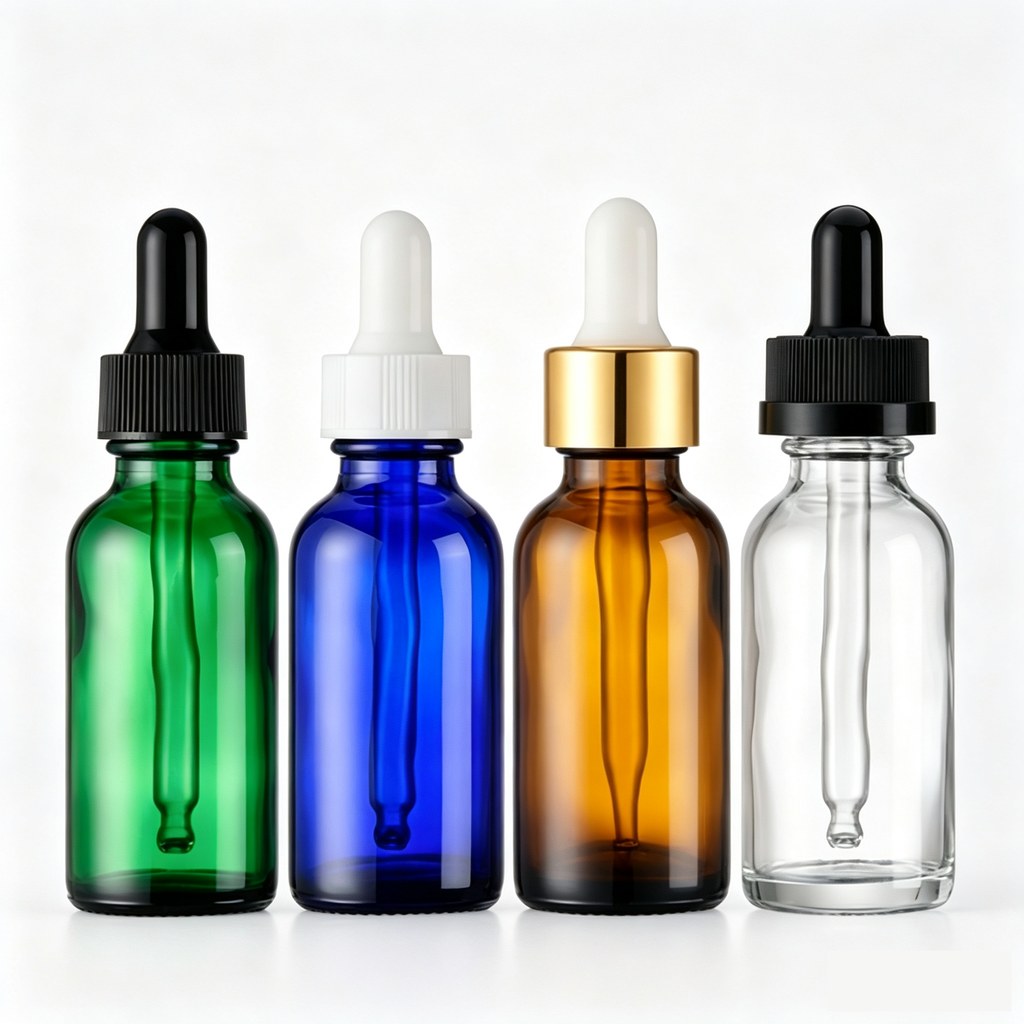
CR dropper designs, the test protocol, tincture sizes and how to verify certification.
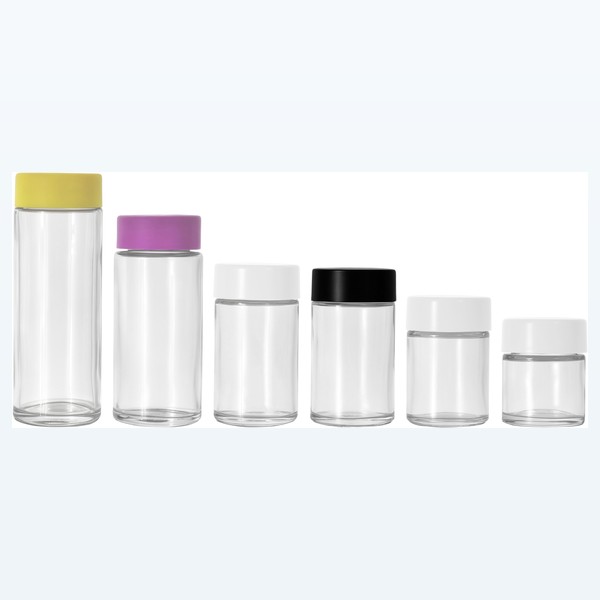
84–120 mm lengths for 0.5 g–2 g pre-rolls, CR pop-top closures and wholesale MOQ explained.
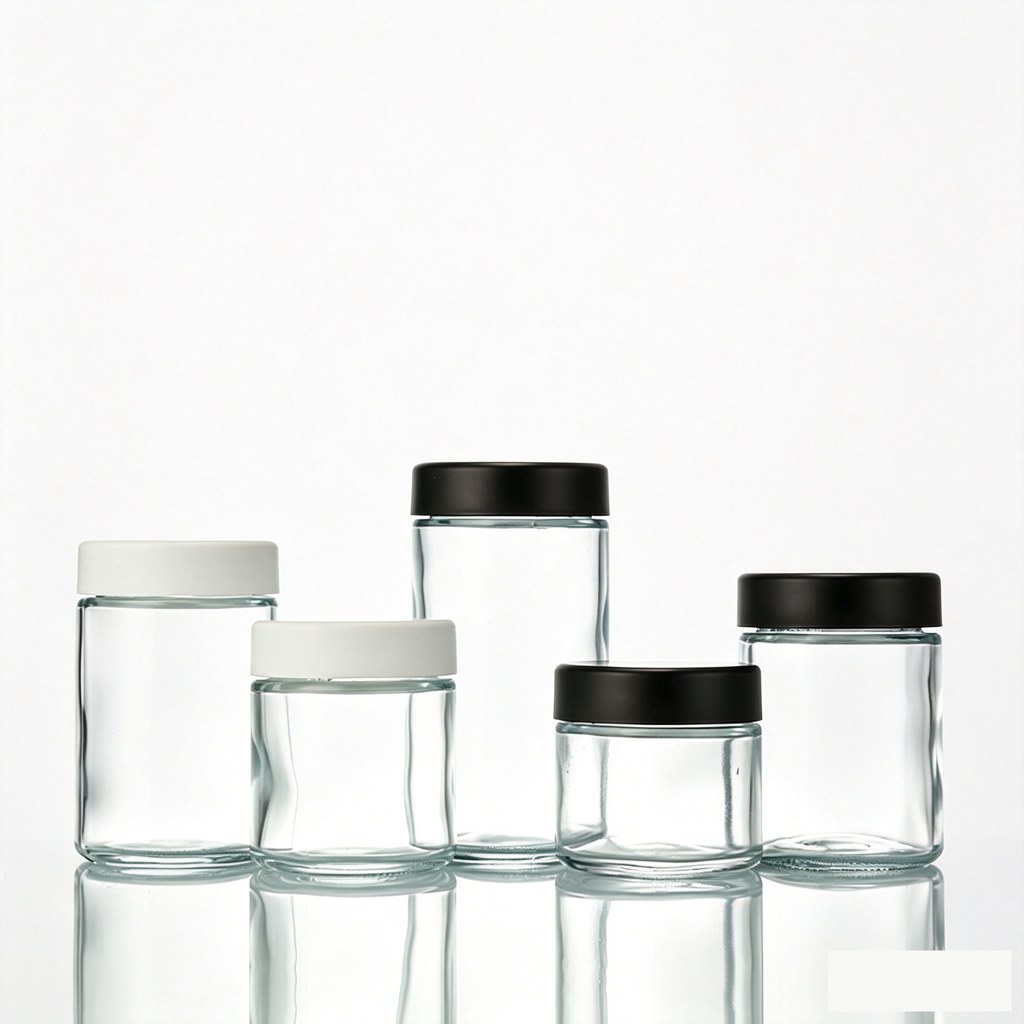
The 55–62% window, humidity packs, seal testing and what "airtight" really specifies.
Neck finishes from 38 to 110 mm, fill and pour performance, closure cost and freight.
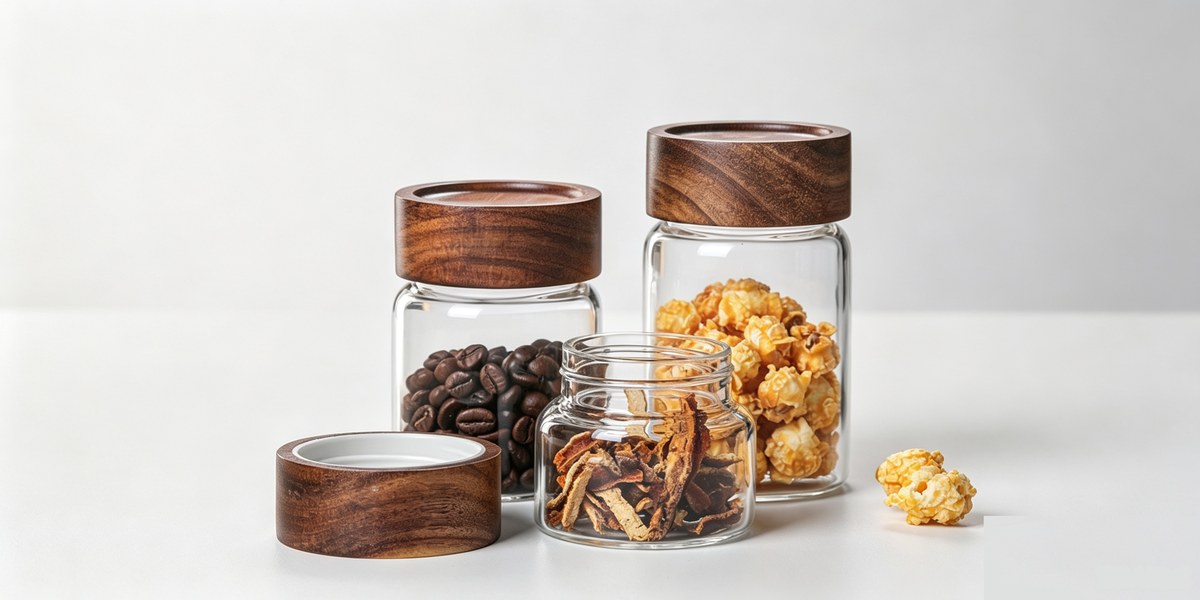
Raw materials, 1,550 °C melting, blow and press molding, annealing, inspection and export packing — explained for buyers.
Sizes from 5 ml to 100 ml, amber vs cobalt vs clear, child-resistant closures and neck finishes.
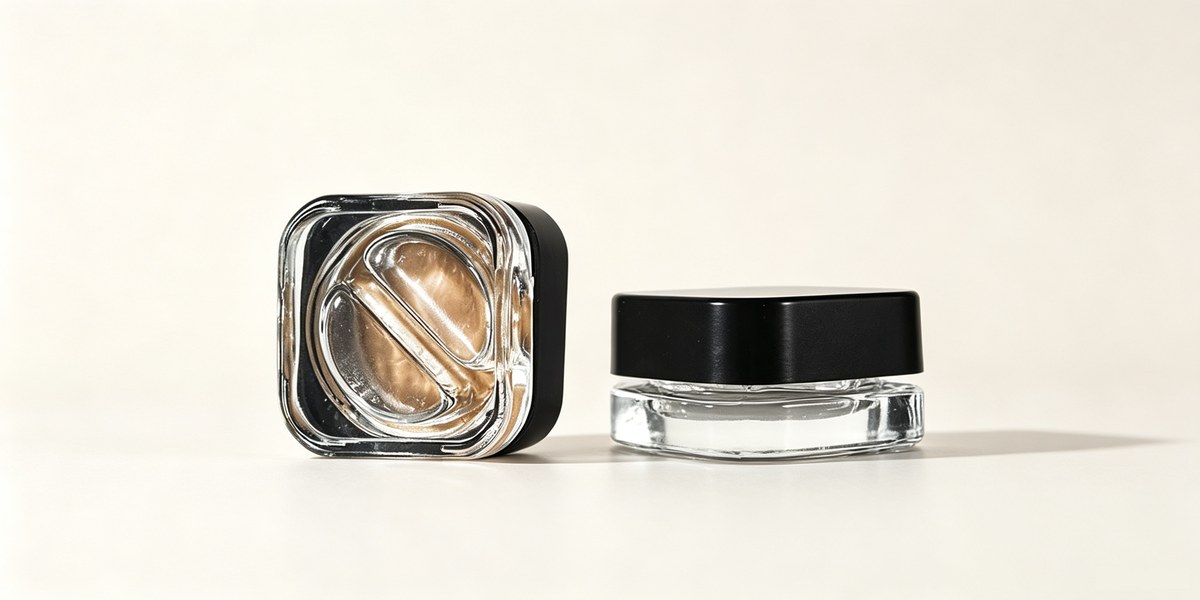
Product stability, barrier properties, brand perception, shipping cost and real unit economics.
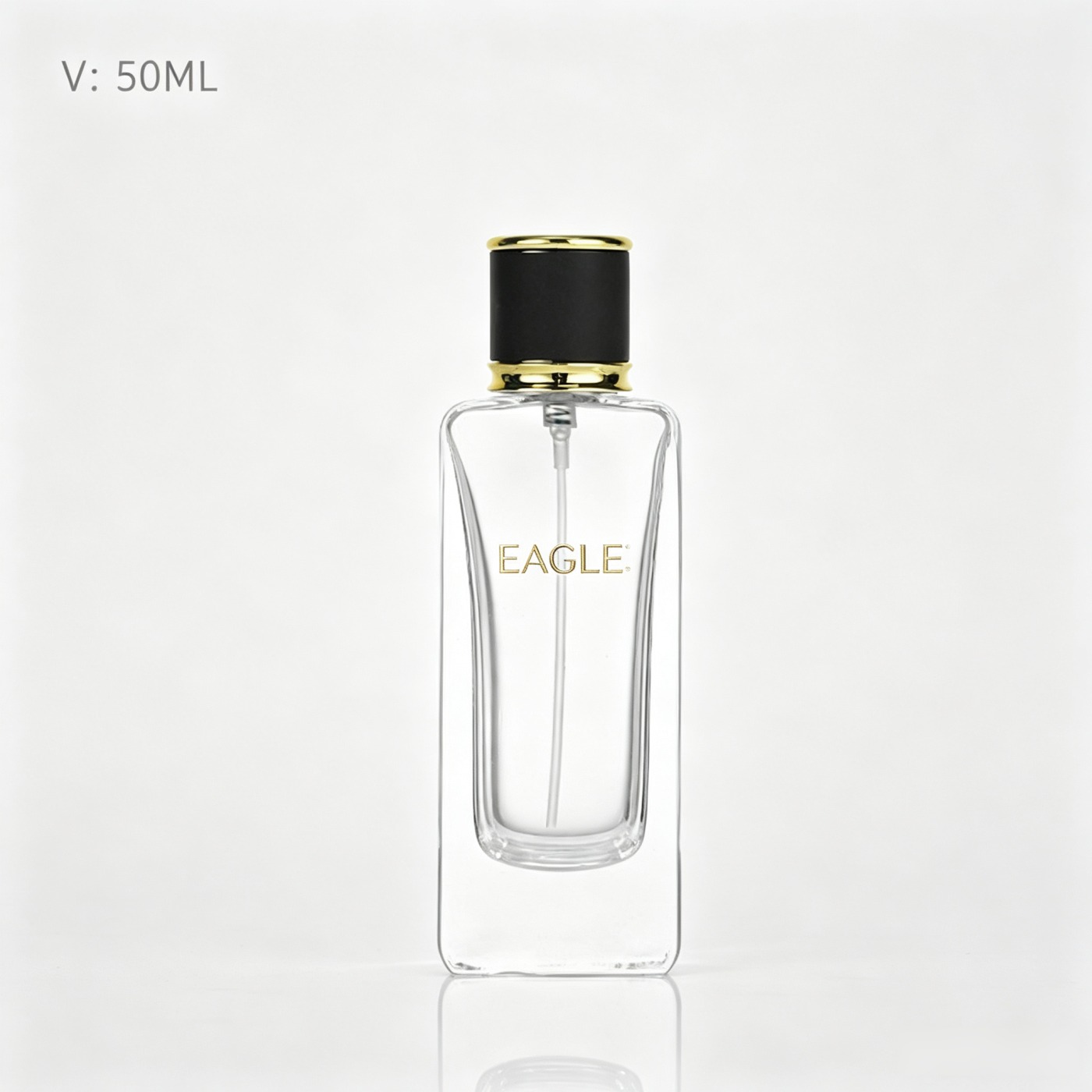
What each size is really for, spray counts, crimp vs screw closures and how to plan your range.
Nine stages, the documents you need, landed cost and the five costly mistakes.
Typical minimums by product, price tiers and five ways to lower your MOQ.
Capacity vs brimful, neck finishes like 18/415, tolerances and closure fit.
16 CFR 1700, ASTM D3475 and Health Canada requirements side by side.
What the test panels measure, closure classes, and what to demand from suppliers.
Sizing, glass type, airtight seals and the North American compliance checklist.
UV protection, cost and shelf appeal compared — plus a decision framework.
Sizing, glass vs silicone, CR closures and how to cut product left in the jar.
Neck finish codes like 53-400, liner selection and how to test a seal.
A clear, repeatable process — so you always know what happens next and when your shipment leaves.
Tell us shape, capacity, quantity and decoration. We send a detailed quote within 24 hours.
Stock samples ship in 3 days; custom pre-production samples in 7–15 days, so you can test before ordering.
5 furnaces and 12 lines run your order, with automatic inspection plus SGS/ISO checks — photos and reports before shipment.
Export cartons and pallets, FOB Shanghai / Qingdao / Ningbo, or DDP straight to your warehouse.
Who we are, what we make, and how we work — the questions overseas buyers ask before their first order.
Eaglebottle is the export brand of Xuzhou Eagle Glass Co., Ltd., a large-scale glass products manufacturer and exporter based in Xuzhou, Jiangsu, China. Operating since 2008, the factory runs 5 furnaces and 12 production lines with more than 3,000 product varieties, serving brands in over 40 countries.
We manufacture eight glass packaging categories: cannabis flower jars, pre-roll tubes and vape cartridges, concentrate jars, dropper and tincture bottles, perfume bottles, reed diffuser bottles, food jars and beverage bottles. Stock molds cover most standard sizes, and custom shapes are made with dedicated tooling.
Yes. We produce custom glass from your drawing, sample or even a photo reference. Mold opening is free for standard shapes, and our design team prepares mock-ups for approval before mass production. Decoration options include silk-screen printing, hot stamping, frosted finishing, spray coating, electroplating and embossing.
The factory is SGS and ISO 9001 certified and the glass meets FDA and CE requirements for food contact. Every order passes automatic inspection on the line plus manual spot checks, and we send photos and inspection reports before shipment so you know exactly what is in the container.
Yes. Mixed sizes in one container are accepted, in-stock items ship in smaller trial quantities, and free samples are available before you commit. Our team guides first-time importers through shipping terms, packaging and documentation, with replies in English within 24 hours.
Our factory is in Xuzhou, Jiangsu Province, China, about 2 hours from Shanghai by high-speed rail. Factory visits and live video tours are welcome, so you can inspect the furnaces, production lines and quality control process yourself before placing an order.
Tell us your sizes, quantities and decoration ideas — free samples are available before you commit.
Contact Us Today