


Buyer's Guide
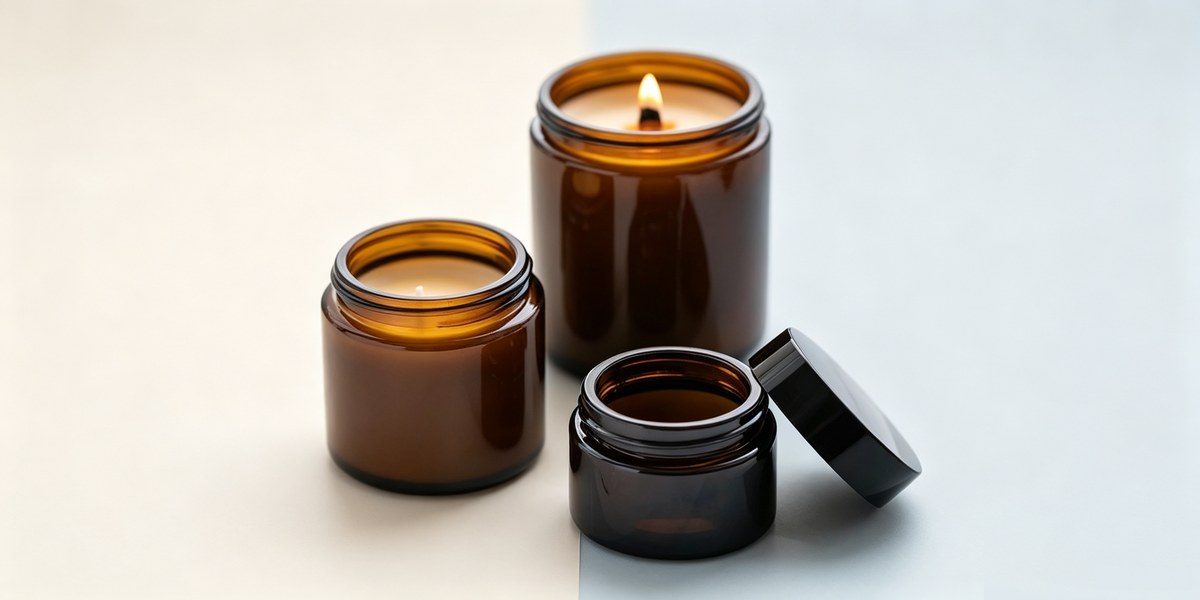
Amber Glass Jars: Uses, Sizes and How to Source Them
What amber glass blocks, the stock sizes and finishes, closure options and how to specify them.
Sep 21, 2026
Most tincture and essential-oil brands learn bottle filling the expensive way: a first run of 2,000 units that takes three weekends instead of one afternoon, or a batch of pipettes that leave the last five millilitres unreachable. Filling glass dropper bottles is not difficult, but it rewards an hour of planning — knowing your real fill volume, ordering pipettes by measured length, setting capping torque, and matching the filling method to your batch size. This is the workflow we hand to first-time production customers, with the numbers you need at each step.
Before you order anything, write down four numbers: units per SKU, product volume per unit, overrun percentage, and target completion time. A 2,000-unit run of 30 ml tincture is 60 litres of product — plus a 5–10% overrun for spillage, line priming and QC retains, so order materials and book the room for 66 litres, not 60. The same math exposes the pipette and collar count: order 2–3% more closures than bottles, because collars crack when dropped and pipettes break at the tip. If your label claims an exact volume, the fill number on the batch sheet is a legal statement, not a suggestion — see the next section.
A “30 ml” bottle is 30 ml brimful, not 30 ml of product. The pipette assembly displaces 1–1.5 ml once inserted, and you want 5–10% headspace so the user can squeeze the bulb without drawing oil up into the collar. The practical fill for a 30 ml bottle is 28–29 ml. If the label says 30 ml (1 fl oz) and you fill to 27, that is a short-fill complaint waiting to happen; if you fill to the brim, the first squeeze pushes oil into the threads and the collar cross-contaminates. Specify the fill point in millilitres on the batch sheet, and check the supplier’s specification sheet for brimful capacity versus nominal — our guide to reading a glass bottle specification sheet shows exactly where those numbers hide.
The pipette must reach (or nearly reach) the bottom of the bottle, or the last few millilitres become unreachable. Suppliers list pipette length in millimetres, matched to each bottle height: a 30 ml amber Boston-round needs roughly a 90 mm pipette; the same capacity in a taller profile bottle needs a longer one. Never order “pipettes for 30 ml bottles” as a category — order by measured length against the specific bottle. If you want dosing precision, specify a graduated pipette with 0.25 ml or 0.5 ml marks and confirm the marks are printed, not etched-and-painted, if the product is an oil that softens ink. The bulb material matters too: natural rubber is cheaper but swells in contact with some carrier oils; silicone and nitrile hold up better and are the standard for tinctures.
| Method | Speed | Accuracy | Best for | Setup cost |
|---|---|---|---|---|
| Funnel + hand pour | 5–8 /min | ±1–2 ml100–500 units | < $20 | |
| Repeater syringe | 10–15 /min | ±0.3 ml500–3,000 | $100–$400 | |
| Peristaltic pump + foot switch | 20–30 /min | ±0.5 ml1,000–10,000 | $500–$2,000 | |
| Semi-automatic overflow filler | 40–60 /min | ±1%10,000+ | $5,000+ |
The repeater syringe is the sweet spot for most first production runs: it dispenses a fixed volume per stroke, it is easy for a second person to verify, and it handles medium-viscosity tinctures well. Peristaltic pumps are faster but check tubing chemistry — citrus and mint oils high in limonene soften PVC tubing within hours; silicone or fluoroelastomer tubing is the safe choice for essential-oil work. Whatever the method, fill by weight on a scale for the first dozen units to calibrate the volume setting, then spot-check every hundredth unit.
A dropper cap is a two-part assembly: the cap with bulb on top, and the plastic collar that screws onto the bottle neck. Under-torque and the collar works loose in transit and weeps; over-torque and you crack the collar or strip the thread, and the failure is invisible until the consumer’s bag smells of tincture. The correct application torque for an 18-400 or 20-400 dropper collar is typically 6–10 inch-pounds — a hand-tight quarter-turn past first engagement for most operators. Buy a $150 torque meter before your second batch, check one cap in twenty, and re-check whenever you change collar supplier or lot. Child-resistant dropper caps follow the same torque discipline; the push-down-and-turn mechanism does not forgive a loose collar, and a CR cap that rattles fails the consumer’s confidence test even when it passes the certification.
Small does not mean undocumented. Even a 500-unit tincture run should produce a one-page batch record: lot number, fill date, product lot, fill volume check results, torque checks, and the closure lot number. This is what turns a complaint into an answerable question, and it is what a state inspector asks for first. Print lot numbers on the label or on a shrink band — and note that if the lot code sits on a tamper-evident band, the band printing must be verified before it goes on the line, because a smudged code on a torn band is unreadable exactly when you need it. Keep three retained units from every batch in a dark cupboard: they are your evidence of what actually shipped.
Glass dropper bottles survive freight in cell dividers, not loose in poly bags. A standard configuration is 100–200 bottles per double-wall carton with corrugated cell inserts, pipettes and collars packed in separate poly bags inside the same carton. Weigh the packed carton: a 100-count carton of 30 ml amber bottles runs 11–13 kg — past the point where one person should carry two. Mark cartons fragile and orient them upright; freight vibration breaks bottles at the shoulder when they lie sideways under load. Expect and plan for a 0.5–1% breakage allowance on any first shipment, and photograph any damage immediately for the freight claim.
"Nice seals. The glass is heavy with sturdy lids, just as described. Worked great for our needs — we would buy again."
"I’m happy with everything — no complaints at all. Shoutout to the supplier and the workers, very good job!"
Prefer to buy through a platform? Find our verified storefronts below — same factory, same factory-direct pricing.
Buyer guides and packaging know-how from the Eaglebottle team.
What amber glass blocks, the stock sizes and finishes, closure options and how to specify them.
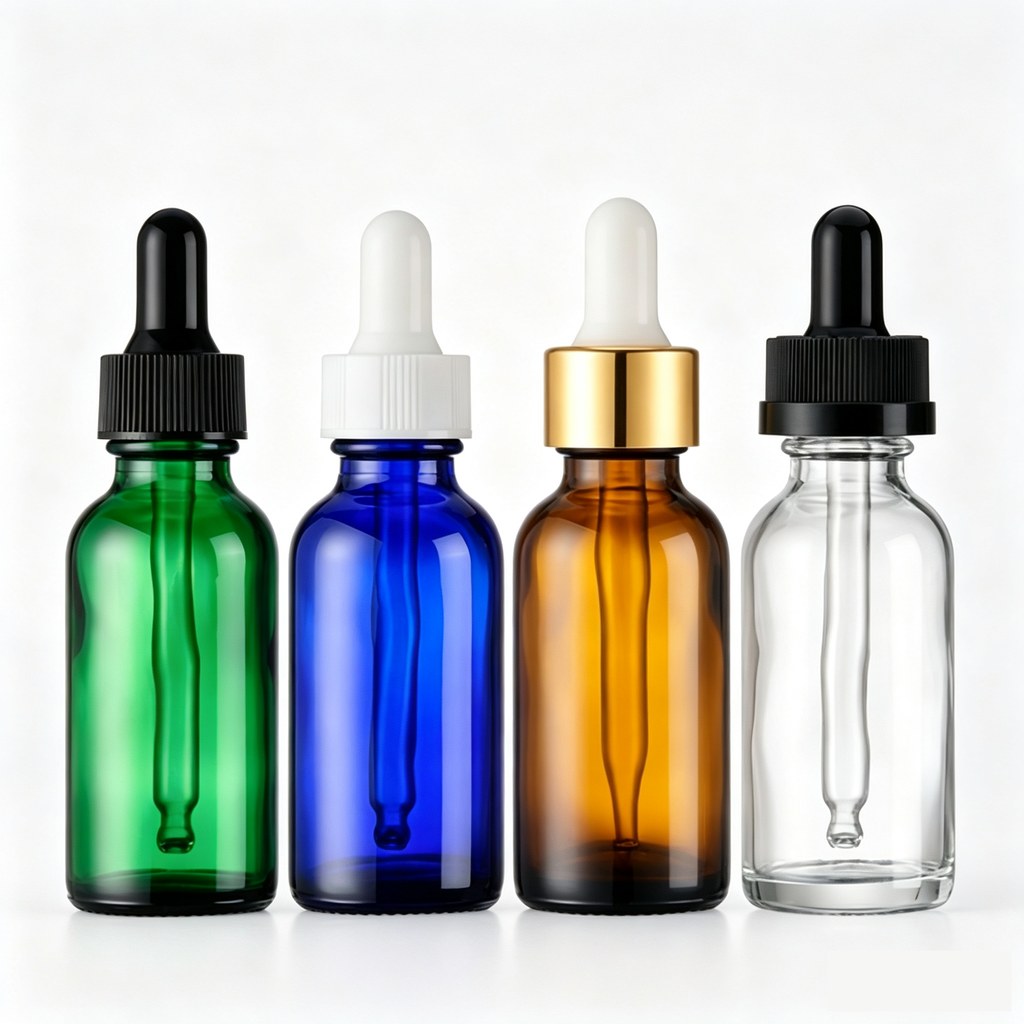
CR dropper designs, the test protocol, tincture sizes and how to verify certification.
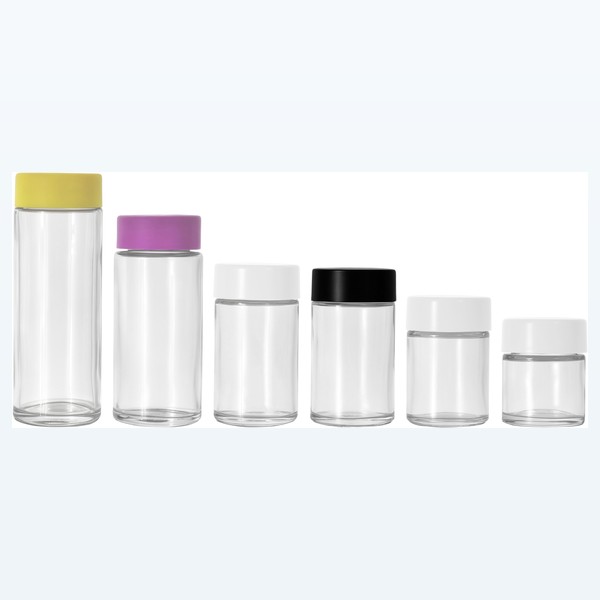
84–120 mm lengths for 0.5 g–2 g pre-rolls, CR pop-top closures and wholesale MOQ explained.
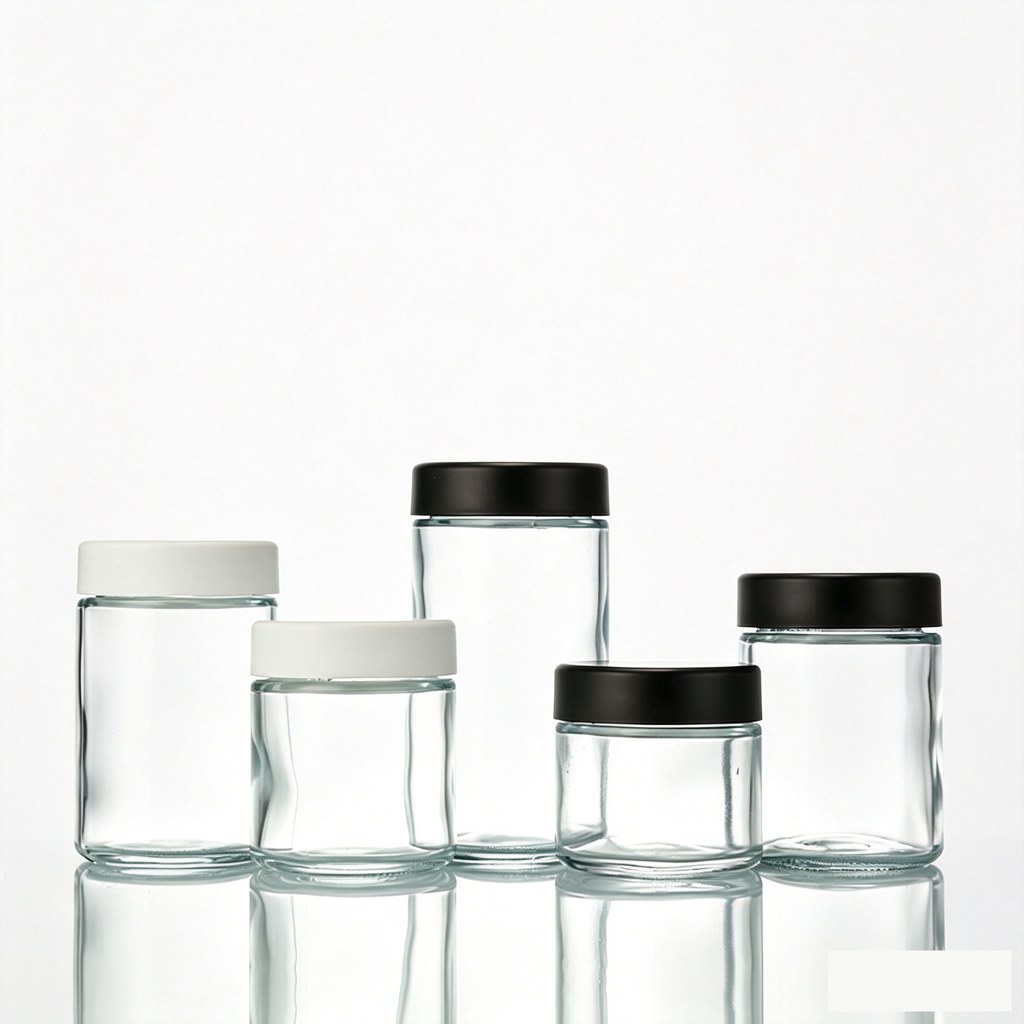
The 55–62% window, humidity packs, seal testing and what "airtight" really specifies.
Neck finishes from 38 to 110 mm, fill and pour performance, closure cost and freight.
Raw materials, 1,550 °C melting, blow and press molding, annealing, inspection and export packing — explained for buyers.
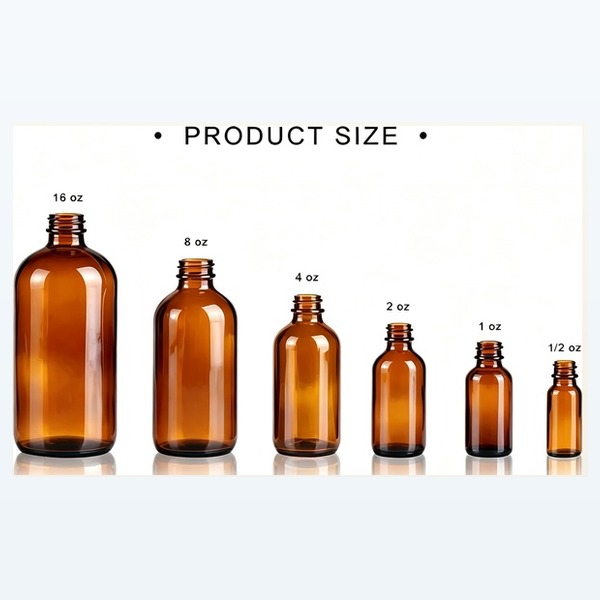
Sizes from 5 ml to 100 ml, amber vs cobalt vs clear, child-resistant closures and neck finishes.
Product stability, barrier properties, brand perception, shipping cost and real unit economics.
What each size is really for, spray counts, crimp vs screw closures and how to plan your range.
Nine stages, the documents you need, landed cost and the five costly mistakes.
Typical minimums by product, price tiers and five ways to lower your MOQ.
Capacity vs brimful, neck finishes like 18/415, tolerances and closure fit.
16 CFR 1700, ASTM D3475 and Health Canada requirements side by side.

What the test panels measure, closure classes, and what to demand from suppliers.
Sizing, glass type, airtight seals and the North American compliance checklist.
UV protection, cost and shelf appeal compared — plus a decision framework.
Sizing, glass vs silicone, CR closures and how to cut product left in the jar.
Neck finish codes like 53-400, liner selection and how to test a seal.
A clear, repeatable process — so you always know what happens next and when your shipment leaves.
Tell us shape, capacity, quantity and decoration. We send a detailed quote within 24 hours.
Stock samples ship in 3 days; custom pre-production samples in 7–15 days, so you can test before ordering.
5 furnaces and 12 lines run your order, with automatic inspection plus SGS/ISO checks — photos and reports before shipment.
Export cartons and pallets, FOB Shanghai / Qingdao / Ningbo, or DDP straight to your warehouse.
Who we are, what we make, and how we work — the questions overseas buyers ask before their first order.
Eaglebottle is the export brand of Xuzhou Eagle Glass Co., Ltd., a large-scale glass products manufacturer and exporter based in Xuzhou, Jiangsu, China. Operating since 2008, the factory runs 5 furnaces and 12 production lines with more than 3,000 product varieties, serving brands in over 40 countries.
We manufacture eight glass packaging categories: cannabis flower jars, pre-roll tubes and vape cartridges, concentrate jars, dropper and tincture bottles, perfume bottles, reed diffuser bottles, food jars and beverage bottles. Stock molds cover most standard sizes, and custom shapes are made with dedicated tooling.
Yes. We produce custom glass from your drawing, sample or even a photo reference. Mold opening is free for standard shapes, and our design team prepares mock-ups for approval before mass production. Decoration options include silk-screen printing, hot stamping, frosted finishing, spray coating, electroplating and embossing.
The factory is SGS and ISO 9001 certified and the glass meets FDA and CE requirements for food contact. Every order passes automatic inspection on the line plus manual spot checks, and we send photos and inspection reports before shipment so you know exactly what is in the container.
Yes. Mixed sizes in one container are accepted, in-stock items ship in smaller trial quantities, and free samples are available before you commit. Our team guides first-time importers through shipping terms, packaging and documentation, with replies in English within 24 hours.
Our factory is in Xuzhou, Jiangsu Province, China, about 2 hours from Shanghai by high-speed rail. Factory visits and live video tours are welcome, so you can inspect the furnaces, production lines and quality control process yourself before placing an order.
Tell us your sizes, quantities and decoration ideas — free samples are available before you commit.
Contact Us Today