


Buyer's Guide
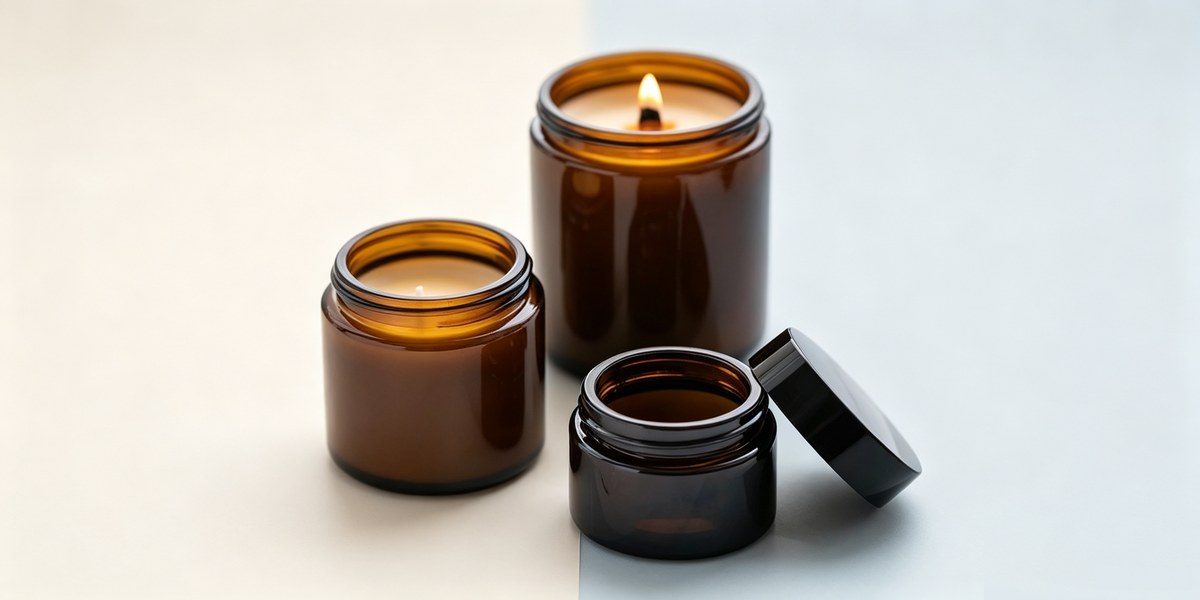
Amber Glass Jars: Uses, Sizes and How to Source Them
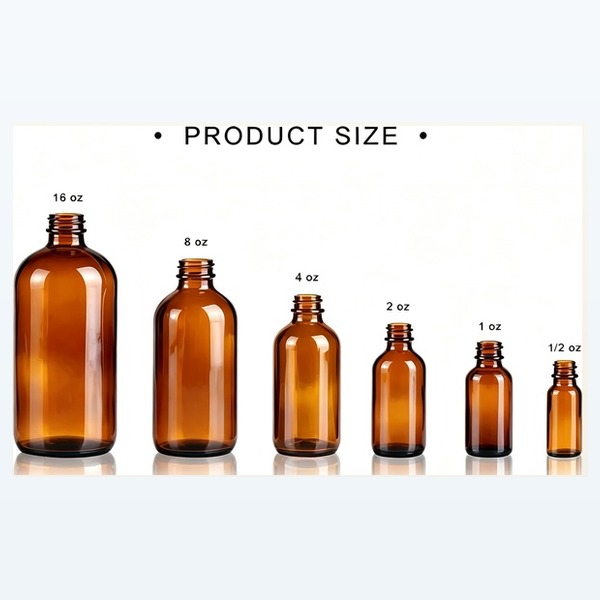
What amber glass blocks, the stock sizes and finishes, closure options and how to specify them.
Sep 21, 2026
Importing glass bottles from China is not complicated, but it is unforgiving of buyers who skip steps. A typical first shipment takes 60 to 90 days from inquiry to warehouse, and the most expensive mistakes happen between the quote and the cargo manifest, not at the factory. This guide walks through the nine stages of an import transaction, the documents you need, how landed cost is actually built up, the shipping method that fits your order size, and the five costly mistakes buyers keep repeating. It is written for first-time and occasional importers; if you are running a weekly container programme, you already know most of this and want the freight section.
Yes, for most categories, and the underlying reason has not changed in two decades: China has the density of furnaces, mould libraries and decoration capacity that no other country can match at the same price point. For stock mould amber dropper bottles, concentrate jars, and pre-roll tubes, the unit price difference between a Chinese factory and a North American or European source is typically 30% to 60% after freight, duty and broker fees are included. For custom moulds, the gap widens because Chinese factories amortise mould cost across a larger customer base and across multiple re-uses of the same tool.
The cases where China is the wrong call are narrower than they used to be: ultra-short lead times under three weeks, very small orders under 5,000 pieces where the freight share of landed cost gets punitive, and categories dominated by a handful of domestic producers with established tooling (US-made Boston rounds, for example, are competitive on lead time at smaller quantities). For everything else, the calculation still favours China in 2026.
An import is a sequence, not a single decision. Skipping or compressing a stage is what turns a 60-day transaction into a 120-day one. The list below is the order in which things actually happen, with the realistic time each stage takes.
| Stage | What happens | Typical time |
|---|---|---|
| 1. RFQ | You send shape, capacity, quantity, decoration and target market. Supplier replies with unit price, MOQ, lead time, payment terms. | 1–3 days |
| 2. Sample | Stock samples ship in 3–7 days; custom pre-production samples in 10–15 days. Free on most stock items; custom samples are usually charged and refundable against a PO. | 3–15 days |
| 3. PO and deposit | You issue a Purchase Order; supplier issues a Proforma Invoice; you pay the deposit (typically 30%) by T/T. | 3–5 days |
| 4. Production | Mould setup if needed, then forming, annealing, decoration, inspection. A 50,000-piece order usually runs 25–35 days. | 25–35 days |
| 5. Pre-shipment inspection | Either you or a third-party inspector visits the factory before the goods leave. A SGS or Bureau Veritas PSI costs roughly $300–$500 per man-day. | 1–2 days |
| 6. Export packing | Cartons, pallets, shrink wrap, ISPM 15 heat-treated wood if required. Adds 1–2 days. | 1–2 days |
| 7. Documents | Commercial invoice, packing list, bill of lading, certificate of origin, SGS / ISO certificates, fumigation certificate. | 2–5 days |
| 8. Shipping | Sea LCL: 25–40 days door-to-door. Sea FCL: 18–30 days port-to-port. Air: 5–10 days airport-to-airport. | 5–40 days |
| 9. Customs clearance and delivery | US customs entry by your broker, duty and MPF paid, drayage to your warehouse or a deconsolidation warehouse. | 3–10 days |
Add the stages up and the realistic timeline is 60 to 90 days from first inquiry to warehouse. The single biggest variable is production scheduling: a supplier with the order already on a furnace gets you faster than one that has to wait for a melt cycle.
Missing documents stall the cargo at the destination. Build a one-page document checklist and run it against every shipment before the goods leave the factory.
Buyers compare FOB Shanghai quotes and forget the rest of the stack. Landed cost — the number that decides whether the deal works — includes everything between the factory and your warehouse.
| Component | Typical share | Notes |
|---|---|---|
| FOB price | 55–70% | The factory quote, includes export packing |
| Ocean freight | 10–20% | LCL is per-cbm; FCL is a flat rate per container |
| Duty (HS-code based) | 3–8% | Glass bottles are usually duty-free or low-duty in the US; verify the exact rate with your broker |
| Merchandise Processing Fee (US) | 0.3% | Formal entry threshold applies |
| Customs broker | 1–2% | $150–$400 per entry typical |
| Drayage + last-mile | 2–5% | From port to warehouse |
| Insurance (optional) | 0.3–0.5% | Of cargo value |
| Contingency buffer | 3–5% | Demurrage, storage, inspection rework |
Add 20% to 35% on top of FOB for the all-in number. If you are being asked to choose between two quotes and one is 8% cheaper FOB but ships LCL while the other is FCL, the cheaper quote usually loses on landed cost.
The right shipping method depends on order size, urgency and how much warehouse space you have. Each has a sweet spot.
For a first order, LCL is the typical starting point. Once you have validated the supplier and the product, switching to FCL at scale is the fastest landed-cost saving you will find.
The standard for new buyer-supplier relationships is T/T 30/70: 30% deposit on PO, 70% balance against a copy of the bill of lading once the goods have actually left. The deposit covers the factory’s raw-material cost; the balance protects you from paying for goods that never ship.
Other terms you will see:
Never pay 100% upfront. Never wire to a personal account. Always match the beneficiary name on the wire to the company on the proforma invoice and the business licence.
"Nice seals. The glass is heavy with sturdy lids, just as described. Worked great for our needs — we would buy again."
"I’m happy with everything — no complaints at all. Shoutout to the supplier and the workers, very good job!"
Prefer to buy through a platform? Find our verified storefronts below — same factory, same factory-direct pricing.
Buyer guides and packaging know-how from the Eaglebottle team.
What amber glass blocks, the stock sizes and finishes, closure options and how to specify them.
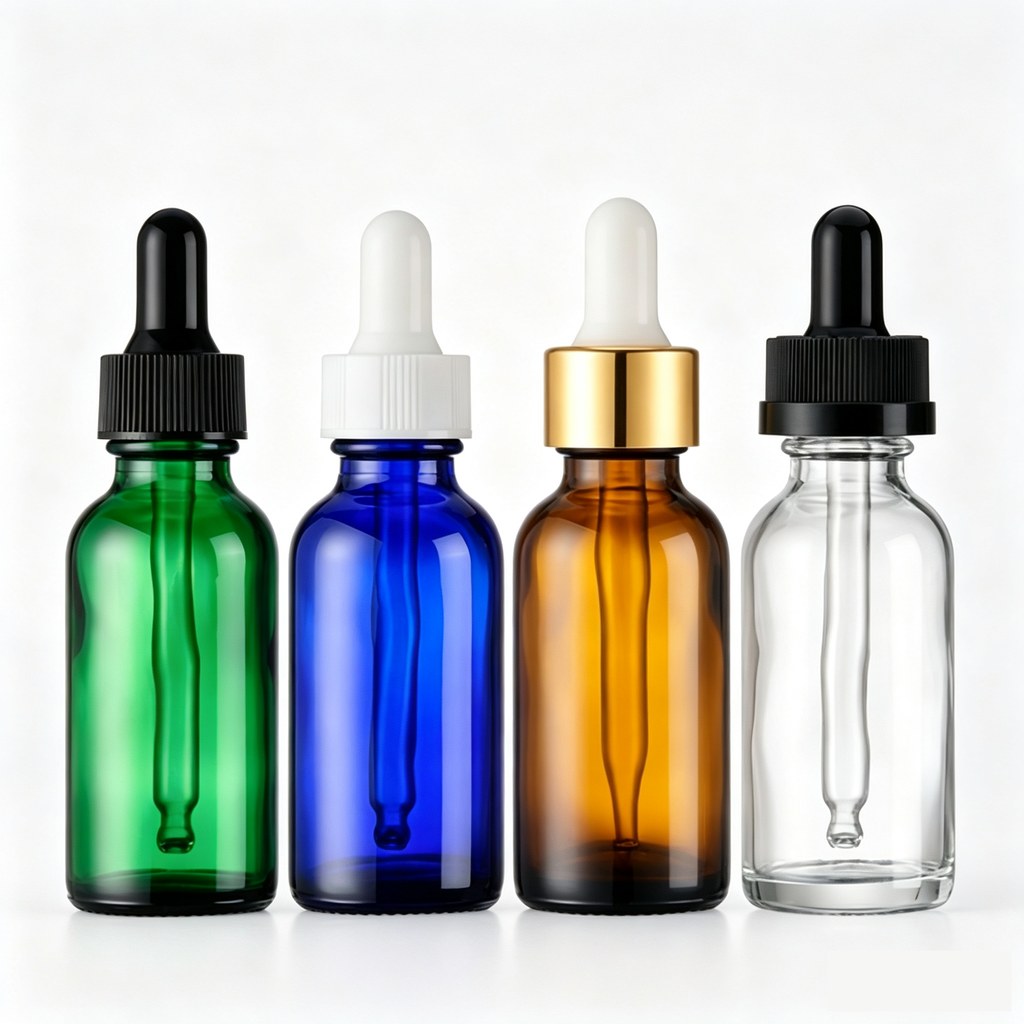
CR dropper designs, the test protocol, tincture sizes and how to verify certification.
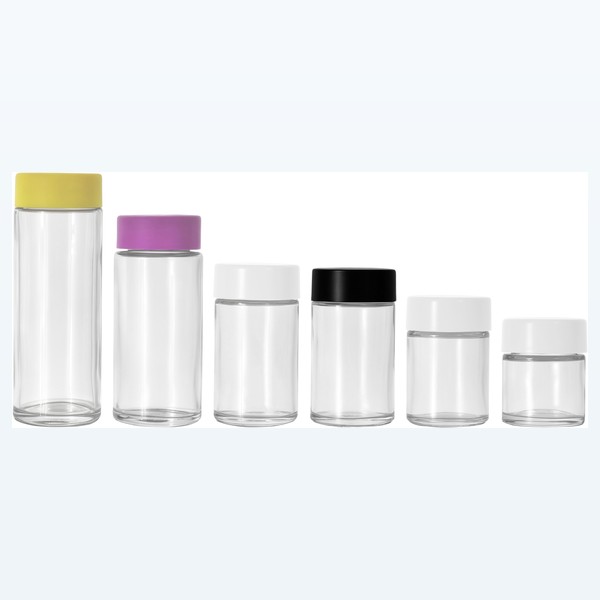
84–120 mm lengths for 0.5 g–2 g pre-rolls, CR pop-top closures and wholesale MOQ explained.
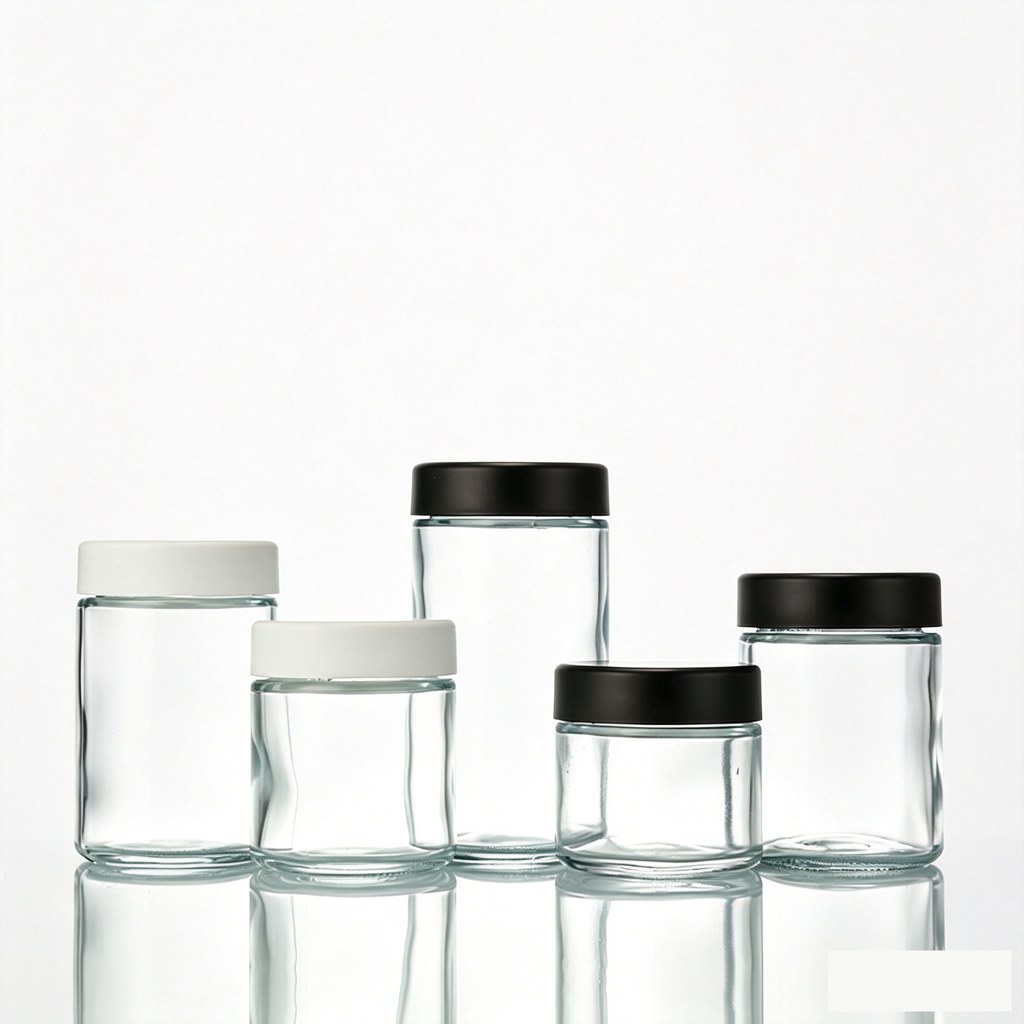
The 55–62% window, humidity packs, seal testing and what "airtight" really specifies.
Neck finishes from 38 to 110 mm, fill and pour performance, closure cost and freight.
Raw materials, 1,550 °C melting, blow and press molding, annealing, inspection and export packing — explained for buyers.
Sizes from 5 ml to 100 ml, amber vs cobalt vs clear, child-resistant closures and neck finishes.
Product stability, barrier properties, brand perception, shipping cost and real unit economics.
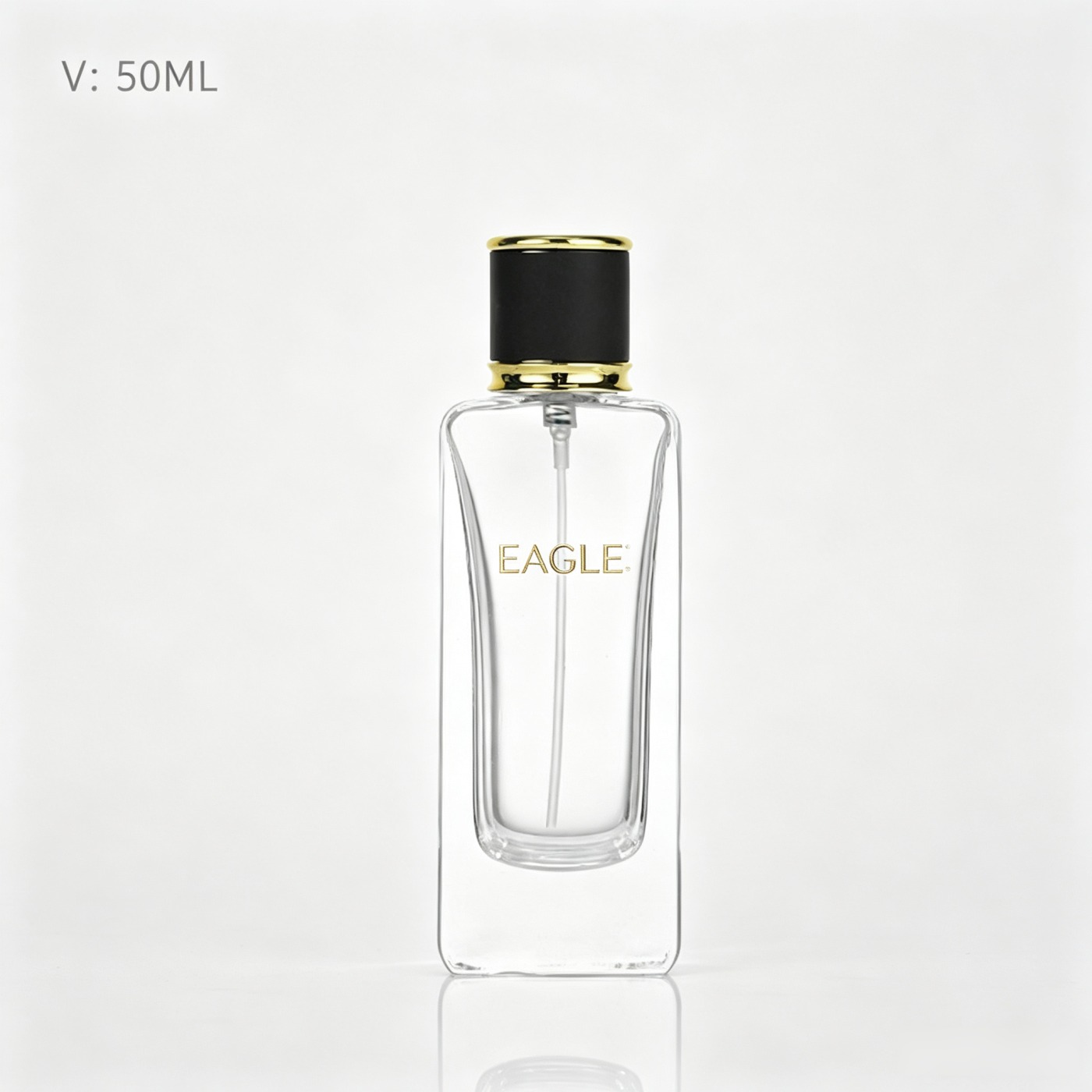
What each size is really for, spray counts, crimp vs screw closures and how to plan your range.
Nine stages, the documents you need, landed cost and the five costly mistakes.
Typical minimums by product, price tiers and five ways to lower your MOQ.
Capacity vs brimful, neck finishes like 18/415, tolerances and closure fit.
16 CFR 1700, ASTM D3475 and Health Canada requirements side by side.
What the test panels measure, closure classes, and what to demand from suppliers.
Sizing, glass type, airtight seals and the North American compliance checklist.
UV protection, cost and shelf appeal compared — plus a decision framework.
Sizing, glass vs silicone, CR closures and how to cut product left in the jar.
Neck finish codes like 53-400, liner selection and how to test a seal.
A clear, repeatable process — so you always know what happens next and when your shipment leaves.
Tell us shape, capacity, quantity and decoration. We send a detailed quote within 24 hours.
Stock samples ship in 3 days; custom pre-production samples in 7–15 days, so you can test before ordering.
5 furnaces and 12 lines run your order, with automatic inspection plus SGS/ISO checks — photos and reports before shipment.
Export cartons and pallets, FOB Shanghai / Qingdao / Ningbo, or DDP straight to your warehouse.
Tell us your sizes, quantities and decoration ideas — free samples are available before you commit.
Contact Us Today