


OEM Guide
Custom Glass Bottles: Mold Cost, Lead Time and Process
Stock moulds, modified moulds and fully custom tooling compared — cost drivers, stage-by-stage lead times and launch planning.
Oct 17, 2026
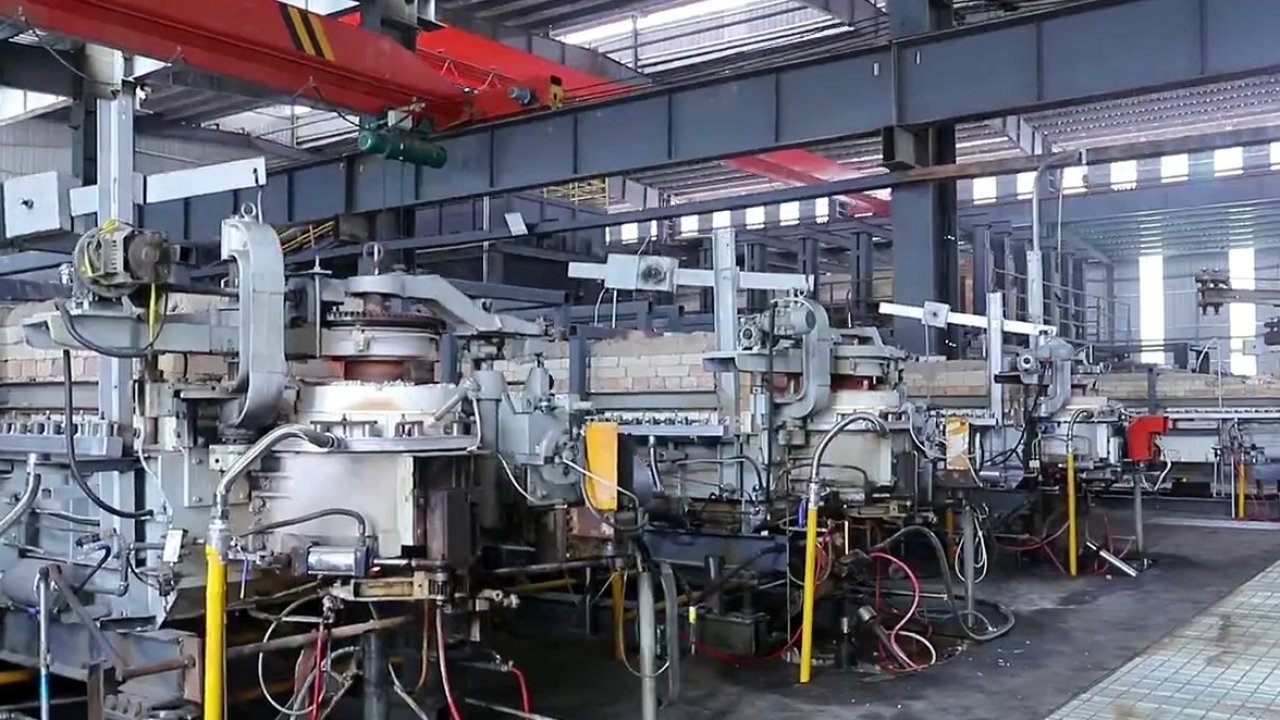
Ask ten brand owners what a "custom glass bottle" means and eight will say the same thing: a shape nobody else has, and a tooling invoice to match. That assumption is where most packaging budgets go wrong. In reality there are three distinct levels of custom, and the one you actually need is almost never the most expensive one. We run five furnaces and twelve production lines in Xuzhou with more than 3,000 existing moulds, and the pattern is consistent — brands pay mould fees for shapes they did not need, or lock into a stock bottle that cannot carry their brand. This guide lays out what each level costs, what each takes in lead time, and how the decision is really made, whether you are launching a perfume line, a private-label food range or a new craft beverage SKU.
Before discussing tooling numbers, separate the thing buyers call "custom" into what it actually means on a production floor. Almost every project we take falls into one of three buckets, and they differ by an order of magnitude in both cost and calendar.
| Level | What changes | Mould cost | First-article lead time | Typical MOQ |
|---|---|---|---|---|
| 1. Stock mould + custom decoration | Nothing about the shape. Your colour, logo, closure and carton. | None | 25–40 days | 1,000 pcs/size (100 pcs on selected stock perfume lines) |
| 2. Modified stock mould | Existing body, altered neck finish, added embossing, changed height or punt depth. | Low one-off modification charge | 35–50 days | 5,000–10,000 pcs |
| 3. Fully custom shape | New geometry from your drawing or sketch. | One-off tooling, often refundable above agreed volume | 55–90 days incl. sampling | 10,000 pcs and up |
The practical point: Level 1 already gives you a bottle that no competitor can legally copy, because the decoration, colourway and closure combination are yours. For most launches — especially a first production run — that is enough differentiation to establish a brand. Level 3 makes sense when the silhouette itself is the brand asset, or when you have volume certainty that justifies amortising tooling across hundreds of thousands of units. If you are still validating demand, taking Level 3 money out of the budget is usually the right call, and it is a conversation we have honestly with customers rather than upselling.
When a quote for a new mould lands, five variables explain almost all of the number. Knowing them turns the quote from a black box into something you can negotiate intelligently.
Industry-wide, a fully custom soda-lime bottle mould typically falls in a few-thousand-dollar range for a modest single-cavity or double-cavity tool, and considerably higher for high-cavity production tooling on a complex shape. Rather than quoting a number that means nothing without your drawing, our practice is specific: for standard shapes we open the mould free, because 3,000+ existing moulds cover most geometries a brand actually asks for. That is why the honest answer to "how much is a custom mould" very often turns out to be nothing at all.
A custom shape follows a fairly fixed sequence. The stages below reflect how the work actually flows from our factory; understanding them helps you plan backwards from a launch date rather than discovering delays at the end.
| Stage | What happens | Duration | What you approve |
|---|---|---|---|
| 1. Brief and reference | Your drawing, physical sample, or a sketch plus target capacity and finish. | 3–5 days | Technical brief |
| 2. Feasibility and drawings | Engineering reviews draft angles, wall distribution, capacity tolerance; issues formal drawings. | 2–4 days | 2D technical drawing |
| 3. Prototype | 3D-printed form model or hand-blown glass sample. | 7–14 days | Form and feel |
| 4. Mould manufacture | Tool steel cut and finished to specification. | 20–35 days | Nothing — in progress |
| 5. Trial shot and samples | Real production glass off the new mould for capacity, weight, finish and closure fit checks. | 5–10 days | Golden sample sign-off |
| 6. Production | Furnace run, annealing, inspection, decoration, packing. | 25–40 days | Pre-shipment samples |
The number that surprises people is stage 5. A 3D print at stage 3 tells you whether the bottle looks right; it cannot tell you whether the neck takes your pump correctly or whether 30 ml actually fills to the shoulder you designed. Only real glass off the production mould answers those questions, which is why we do not skip it even when a customer is in a hurry. Refusing to shorten stage 5 is cheaper than discovering a closure mismatch after ten thousand units are on the water.
Glass is not injection-moulded plastic. Molten glass flows, cools unevenly and shrinks, and those physical facts set hard limits on what a shape can do. Designs that ignore them produce high reject rates and, therefore, high unit prices rather than the premium look that was intended.
Bringing the closure decision into the same conversation saves real money. The finish on the bottle dictates the closure family, and the closure family dictates your filling equipment, liner material and tamper-evidence options. Deciding the finish and buying the bottle separately is how brands end up with inventory that cannot be sealed.
Buyers fixate on the tooling figure because it arrives as one number on one quotation, while unit price arrives as a small decimal — and small decimals feel negotiable. Run the arithmetic the other way and the picture changes. Take a hypothetical tooling charge amortised across the first run: spread over five thousand units it adds a meaningful amount to every bottle; spread over fifty thousand it becomes a rounding error; across half a million it is irrelevant. The question worth asking is never "how much is the mould" in isolation, but "what does this add per unit across the volume I will realistically buy in year one, and is the shape worth that premium?"
Seen that way, the decision usually resolves itself. If you are confident about six figures of annual volume and the silhouette genuinely is the brand — a fragrance flacon, a spirits bottle meant to stay on the shelf after the contents are gone — the tooling pays for itself. If you are testing a SKU, running a seasonal release, or serving a niche where the product formulation matters more than the container, taking the standard shape and putting the budget into decoration, closure and carton is nearly always the better allocation. A useful test: if you cannot describe in one sentence why this exact shape sells your product better than a well-chosen stock bottle, you probably do not need a new mould yet.
There is also a timing argument for starting stock. Launching on an existing mould gets revenue in the door months earlier, and the volume data from that first run tells you whether the custom shape is actually worth commissioning afterwards. Several of our long-standing OEM customers started precisely that way — stock food jars or dropper bottles for the first year, a dedicated shape once the numbers justified it.
The cheapest way to lose money in custom glass is a vague approval. "Looks good, go ahead" is not an approval; it is a future dispute about whether the thirty-thousand units that arrived match the ten pieces you held in your hand. Before signing anything, fix three references in writing. First, a golden sample — a physical bottle from the trial shot, signed or labelled, retained by both sides as the visual and dimensional standard for the run and for any repeat order. Second, a dimensional tolerance sheet: capacity, weight, height, neck finish dimensions and the acceptable band on each. Third, an inspection agreement naming the sampling standard you will both work to, commonly an AQL-based attribute check, plus what happens if a batch falls outside it.
Two practical points follow from running twelve production lines rather than one. Glass is a natural material made in furnace conditions, so shade variation between batches is real and should be discussed before the first run rather than discovered in the second — amber from one furnace to the next can differ slightly in tone, and the acceptable range belongs on the tolerance sheet. And because our factory operates alongside automatic inspection lines with third-party laboratory reports available per batch (SGS, ISO 9001, FDA and CE certificates are all issued by authorised bodies and verifiable through official channels), you can ask for documentation specific to your production lot instead of relying on a generic certificate. Asking for the lot-specific report is reasonable and free; it should be normal practice.
Once the shape settles, decoration carries the brand, and it is the part a competitor copying your bottle cannot reproduce cleanly. We covered the comparison in detail elsewhere, but the short version matters here because decoration choices interact with custom-mould decisions: the four methods — silk-screen printing, hot stamping, acid etching and spray coating — each carry their own minimum order and unit cost, and those minimums are frequently higher than the bottle MOQ itself. Silk-screen printing generally runs around $0.04–$0.25 per unit with minimums typically starting near 1,000–5,000 pieces; hot stamping around $0.06–$0.20 starting near 1,000–3,000; acid etching around $0.15–$0.40 with minimums nearer 2,000–5,000; spray coating around $0.20–$0.80 in the same range. If your total run is 5,000 units, decoration minimums can constrain you more than the mould does — worth settling before tooling is cut. See the full glass decoration methods comparison for durability and suitability by product type.
The most useful single table in this guide is the one below, because it is the one that changes how buyers schedule. Working forwards, people assume "custom bottles take eight weeks." Working backwards from shelf date reveals that a fully custom shape typically needs three to four months from first conversation to goods landing, while a stock mould with custom decoration needs roughly six to eight weeks.
| If you need goods in | Choose | Start conversations at |
|---|---|---|
| 4–6 weeks | Stock mould, stock decoration | Now |
| 6–10 weeks | Stock mould, custom decoration | Now |
| 3–4 months | Modified stock mould | Now |
| 4–6 months | Fully custom shape | Now, and earlier if you can |
Freight is the layer people forget. Sea freight from China to the US West Coast is a matter of weeks in transit, plus customs clearance and inland delivery; to Northern Europe it is longer. Whatever the factory lead time says, the goods do not arrive until the vessel does, and that leg belongs in the schedule from day one.
"Nice seals. The glass is heavy with sturdy lids, just as described. Worked great for our needs — we would buy again."
"I’m happy with everything — no complaints at all. Shoutout to the supplier and the workers, very good job!"
Prefer to buy through a platform? Find our verified storefronts below — same factory, same factory-direct pricing.
Buyer guides and packaging know-how from the Eaglebottle team.
Stock moulds, modified moulds and fully custom tooling compared — cost drivers, stage-by-stage lead times and launch planning.
Master carton sizing, cell dividers, closure protection and palletising that decide whether your tubes arrive intact.

Silk-screen, hot stamping and acid etching compared — cost, durability, MOQ and which products each method suits.
Pressure ratings, UV colour choice, hot-fill compatibility and closure selection for cold-pressed juice, kombucha and cold brew.
Shrink bands, tear tabs, breakable rings and induction seals compared — and how to pair them with CR closures.
Fill points, pipette length, capping torque, filling methods and batch math for small tincture runs.
16 CFR 1700 baseline, exit bags, tamper-evident rules and three practical points for buyers.
Nine stages, documents, landed cost, shipping methods, payment terms and five mistakes buyers repeat.
What amber glass blocks, the stock sizes and finishes, closure options and how to specify them.
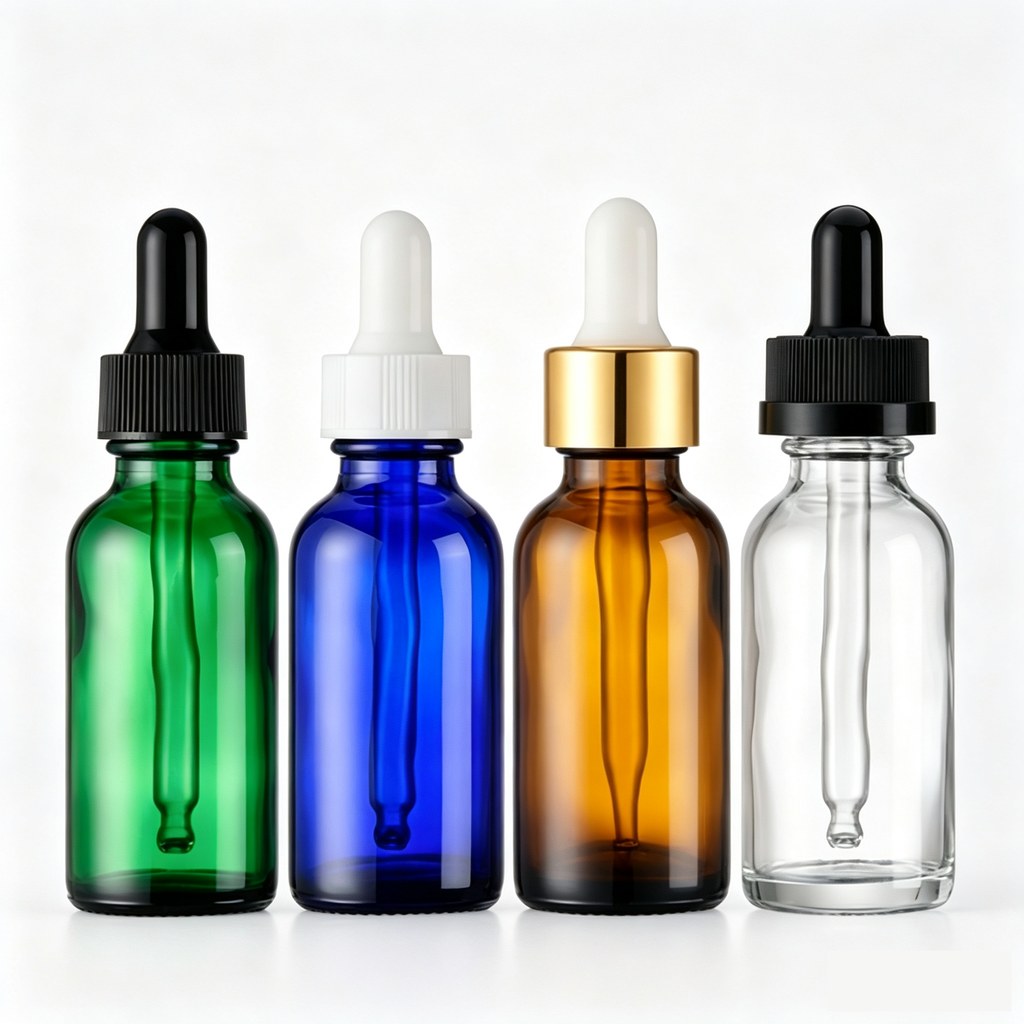
CR dropper designs, the test protocol, tincture sizes and how to verify certification.
84–120 mm lengths for 0.5 g–2 g pre-rolls, CR pop-top closures and wholesale MOQ explained.
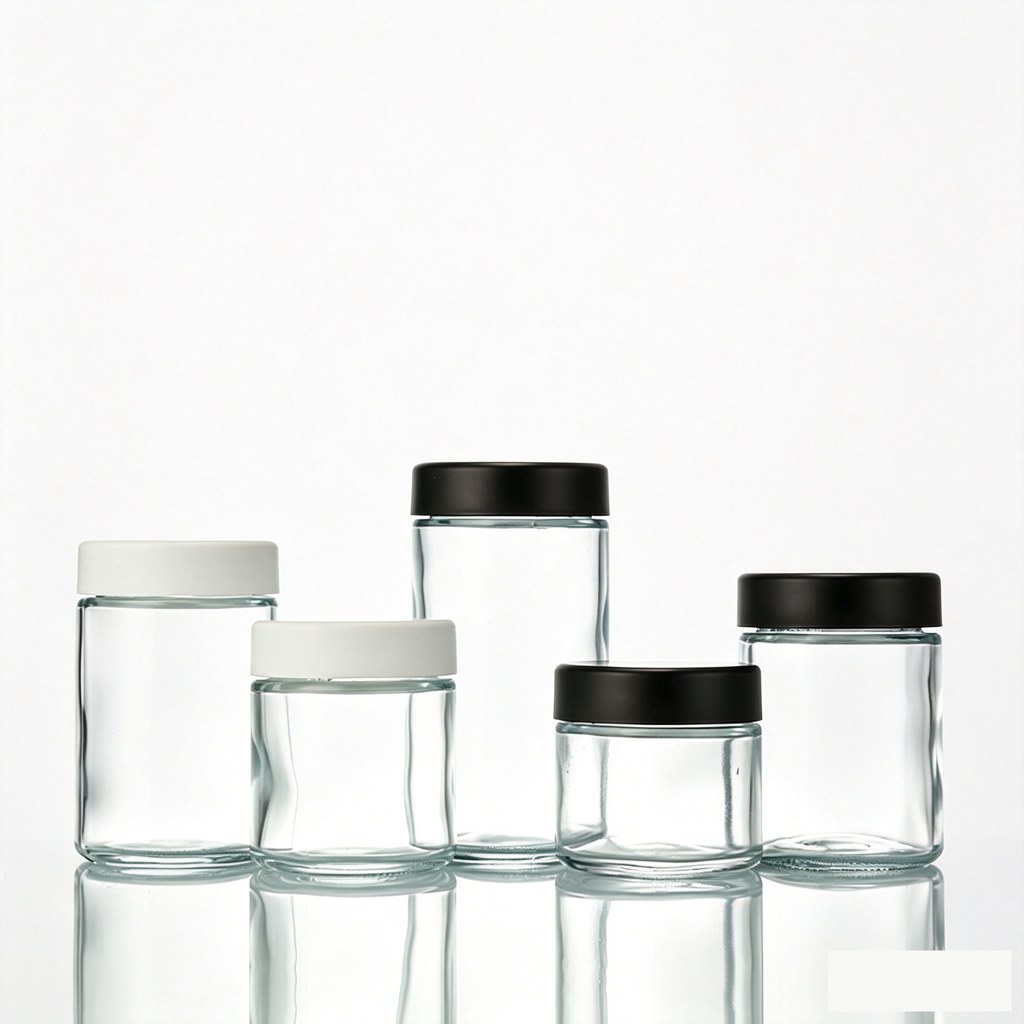
The 55–62% window, humidity packs, seal testing and what "airtight" really specifies.
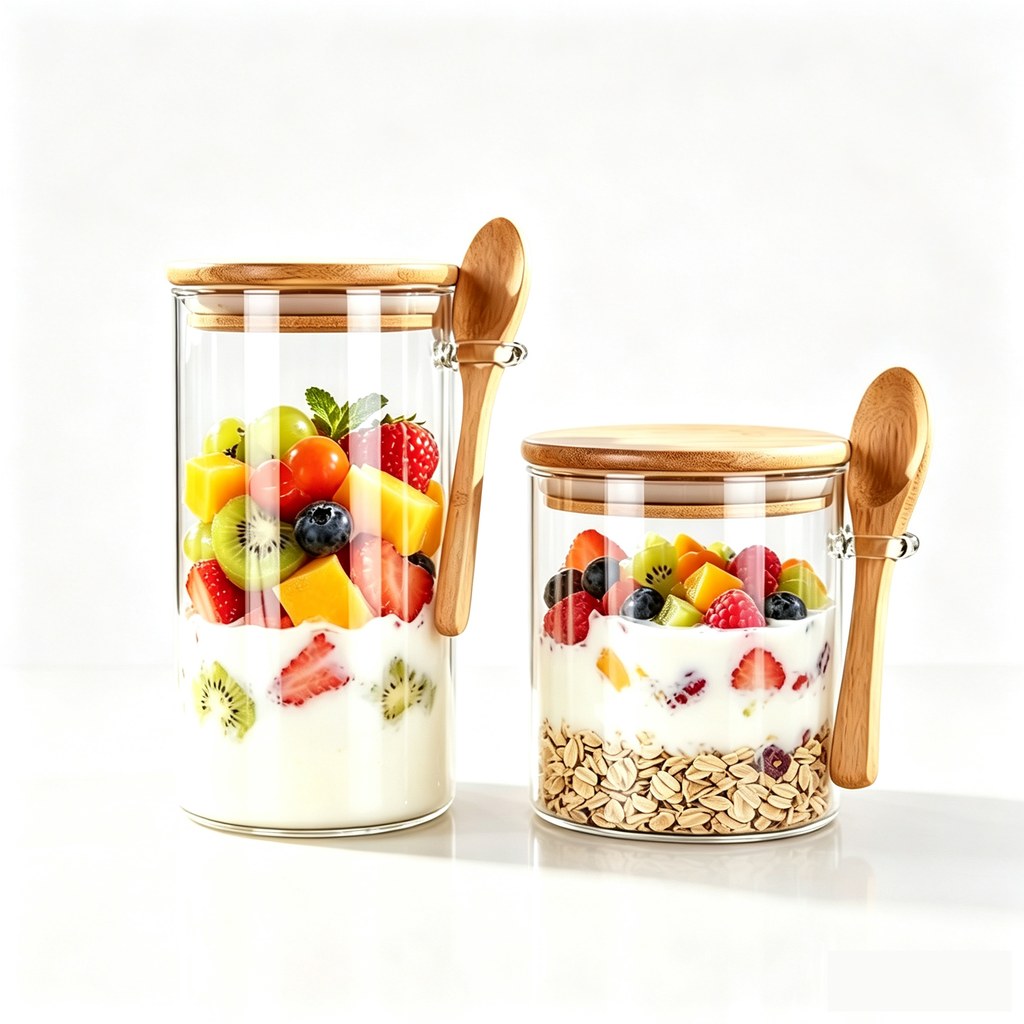
Neck finishes from 38 to 110 mm, fill and pour performance, closure cost and freight.
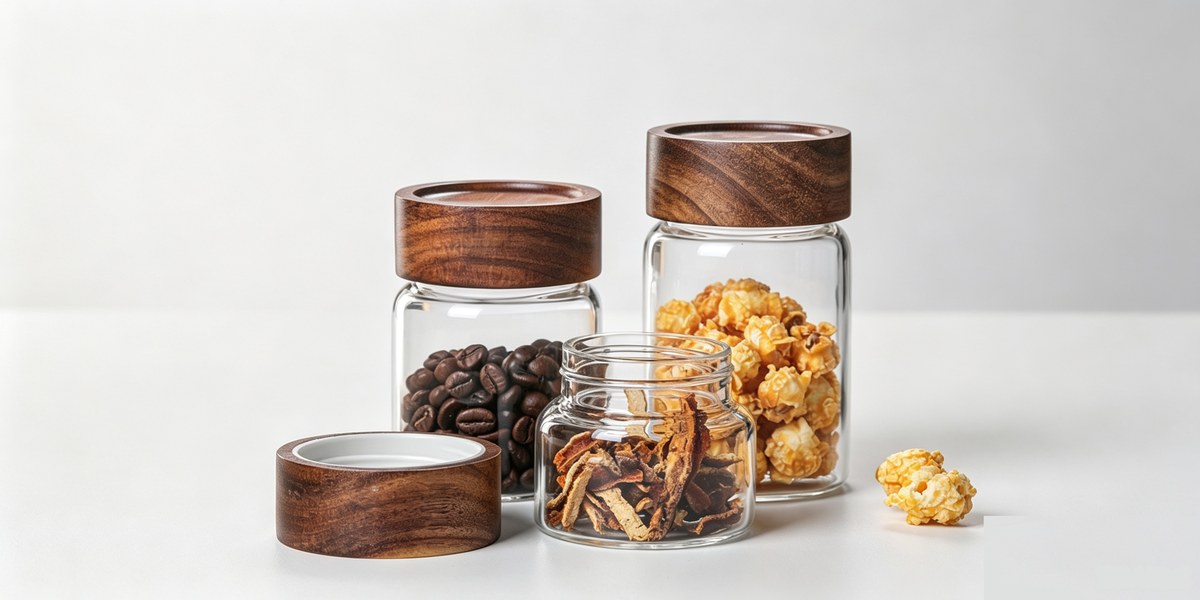
Raw materials, 1,550 °C melting, blow and press molding, annealing, inspection and export packing — explained for buyers.
Sizes from 5 ml to 100 ml, amber vs cobalt vs clear, child-resistant closures and neck finishes.
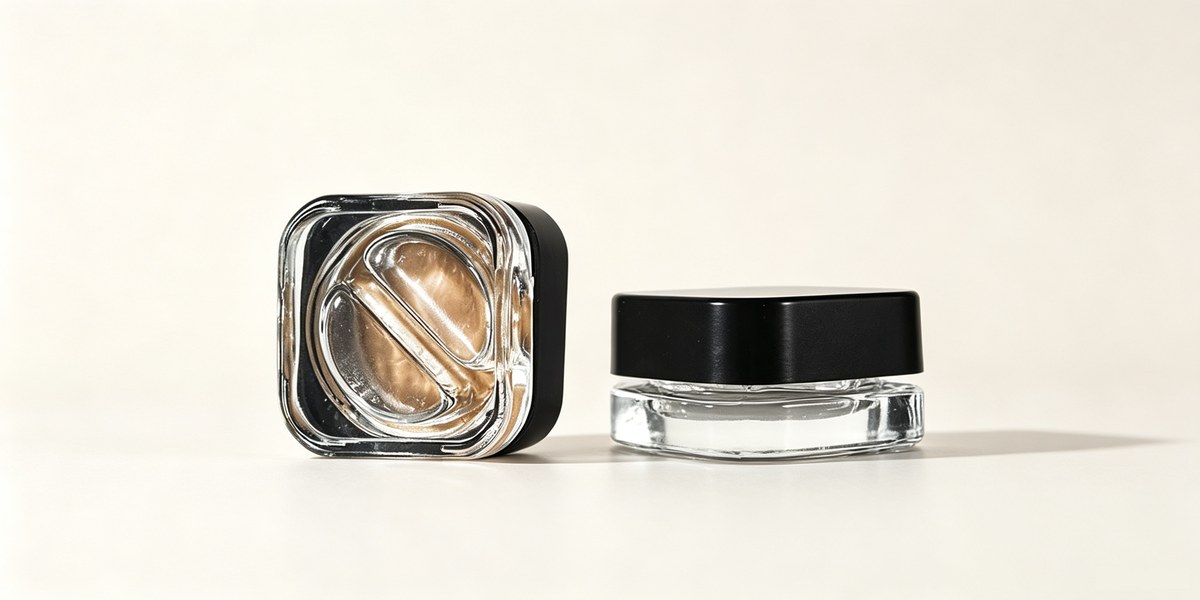
Product stability, barrier properties, brand perception, shipping cost and real unit economics.
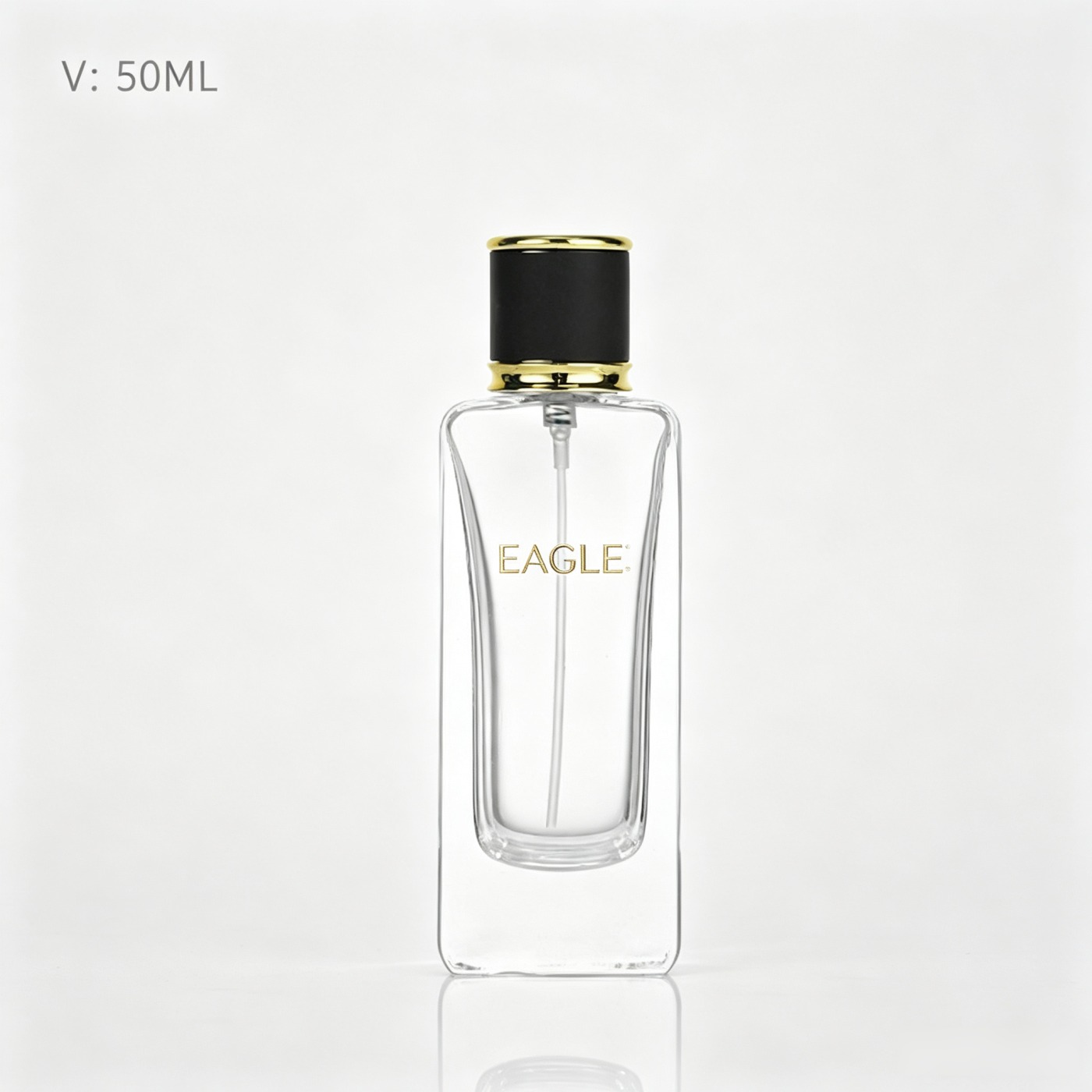
What each size is really for, spray counts, crimp vs screw closures and how to plan your range.
Nine stages, the documents you need, landed cost and the five costly mistakes.
Typical minimums by product, price tiers and five ways to lower your MOQ.
Capacity vs brimful, neck finishes like 18/415, tolerances and closure fit.
16 CFR 1700, ASTM D3475 and Health Canada requirements side by side.
What the test panels measure, closure classes, and what to demand from suppliers.
Sizing, glass type, airtight seals and the North American compliance checklist.
UV protection, cost and shelf appeal compared — plus a decision framework.
Sizing, glass vs silicone, CR closures and how to cut product left in the jar.
Neck finish codes like 53-400, liner selection and how to test a seal.
A clear, repeatable process — so you always know what happens next and when your shipment leaves.
Tell us shape, capacity, quantity and decoration. We send a detailed quote within 24 hours.
Stock samples ship in 3 days; custom pre-production samples in 7–15 days, so you can test before ordering.
5 furnaces and 12 lines run your order, with automatic inspection plus SGS/ISO checks — photos and reports before shipment.
Export cartons and pallets, FOB Shanghai / Qingdao / Ningbo, or DDP straight to your warehouse.
Who we are, what we make, and how we work — the questions overseas buyers ask before their first order.
Eaglebottle is the export brand of Xuzhou Eagle Glass Co., Ltd., a large-scale glass products manufacturer and exporter based in Xuzhou, Jiangsu, China. Operating since 2008, the factory runs 5 furnaces and 12 production lines with more than 3,000 product varieties, serving brands in over 40 countries.
We manufacture eight glass packaging categories: cannabis flower jars, pre-roll tubes and vape cartridges, concentrate jars, dropper and tincture bottles, perfume bottles, reed diffuser bottles, food jars and beverage bottles. Stock molds cover most standard sizes, and custom shapes are made with dedicated tooling.
Yes. We produce custom glass from your drawing, sample or even a photo reference. Mold opening is free for standard shapes, and our design team prepares mock-ups for approval before mass production. Decoration options include silk-screen printing, hot stamping, frosted finishing, spray coating, electroplating and embossing.
The factory is SGS and ISO 9001 certified and the glass meets FDA and CE requirements for food contact. Every order passes automatic inspection on the line plus manual spot checks, and we send photos and inspection reports before shipment so you know exactly what is in the container.
Yes. Mixed sizes in one container are accepted, in-stock items ship in smaller trial quantities, and free samples are available before you commit. Our team guides first-time importers through shipping terms, packaging and documentation, with replies in English within 24 hours.
Our factory is in Xuzhou, Jiangsu Province, China, about 2 hours from Shanghai by high-speed rail. Factory visits and live video tours are welcome, so you can inspect the furnaces, production lines and quality control process yourself before placing an order.
Tell us your sizes, quantities and decoration ideas — free samples are available before you commit.
Contact Us Today