


Compliance Guide
Tamper-Evident Jars for Cannabis: Seals, Bands and Rings
Shrink bands, tear tabs, breakable rings and induction seals compared — and how to pair them with CR closures.
Sep 23, 2026
The decoration on a glass bottle does two jobs at once: it carries your brand and it decides whether your product looks like a $5 commodity or a $35 flagship. The four methods a glass factory actually offers — silk-screen printing, hot stamping, acid etching and spray coating — each have a place, but they are not interchangeable. The right pick depends on the substrate (clear, amber, frosted), the design complexity, the run size, and what your product is allowed to do. Below is the working comparison we hand to customers choosing decoration on perfume bottles, dropper bottles and food jars.
| Method | Best for | Durability | MOQ | Per-unit cost |
|---|---|---|---|---|
| Silk-screen printing | Multi-colour logos, text, fine line art on clear or coloured glass | High (cured) | 1,000–5,000 | $0.04–$0.25 |
| Hot stamping | Single-colour metallic (gold, silver) accents | Medium-high | 1,000–3,000 | $0.06–$0.20 |
| Acid etching | Permanent frosted logos, premium “engraved” feel | Permanent | 2,000–5,000 | $0.15–$0.40 |
| Spray coating | Full-body colour, opaque finish, soft-touch | Medium | 2,000–5,000 | $0.20–$0.80 |
Silk-screen is the default for most brands because it accepts any number of colours, holds fine detail, and works on every substrate a factory produces. Hot stamping is what you reach for when the brand mark needs to be metallic. Acid etching is the only one of the four that physically changes the glass — the others sit on top of it — which is why it survives any product that would dissolve a printed layer. Spray coating is the choice when you need full-body colour or a soft-touch tactile finish.
Silk-screen printing on glass uses a ceramic enamel ink fused to the surface at 600± °C during a lehr (annealing oven) pass. The result is essentially a glass-ceramic layer bonded to the bottle — it survives dishwashing, citrus oils, alcohol tinctures, and most essential oils. The detail capability is roughly 0.15 mm line weight with a 200-mesh screen; below that the ink bridges and the print blurs. Multi-colour work requires a screen per colour and registration within roughly 0.3 mm — factories handle this routinely up to four colours, with diminishing cost-effectiveness beyond six. Two things to specify on the PO: first, request a lehr-cured (not air-dried) print for any product containing alcohol or citrus oils; second, request a print adhesion test (cross-hatch tape pull) on the pre-production sample.
Hot stamping on glass uses a foil carrier and a heated die to transfer a thin metallic layer (gold, silver, rose gold, holographic) onto the surface. The finish is more decorative than durable — it will survive normal handling and tincture contact but not heavy abrasion or solvent attack. Use it sparingly: brand wordmarks, single-line taglines, decorative borders. The combination we recommend most often for premium tincture and perfume brands is silk-screen body text plus hot-stamped logo — the silk screen does the heavy lifting, the hot stamp does the shine. Specify foil grade and supplier (Crown, Kurz, API) on the PO; cheap foils tarnish within months.
Acid etching uses a resist mask and hydrofluoric-acid-based paste to dissolve the surface of the glass, leaving a frosted mark that cannot be scratched off, soaked off, or dissolved by any product short of strong alkali. The result is a tactile, premium feel that reads as “engraved” even though it is technically a controlled etch. Acid etching is the right pick for products where the brand mark is the primary differentiator and the bottle is meant to be kept — luxury fragrance, premium spirits, high-end candle vessels. The trade-offs: only one tone (frosted), longer lead time (the resist must be applied, etched, washed, and stripped), and a higher minimum order because the tooling cost is fixed across the run. On perfume bottles destined for retail, acid-etched logos routinely command a price premium of 20–40% over plain bottles.
Spray coating applies a coloured or transparent lacquer to the entire outer surface of the bottle, giving a uniform finish that hides the glass colour underneath or modifies its hue. The technique covers the full range from high-gloss opaque colour to soft-touch matte. Two technical points matter. First, the coating is only as durable as its adhesion to the glass; specify a primer plus top-coat system for any product that contains alcohol above 30% ABV, citrus oils, or essential oils high in limonene. Second, a soft-touch coating is wonderful in the hand but marks with fingerprints and can scratch under stacking pressure — for a 5,000 unit master carton, plan to use cell trays, not poly bags, between layers. Spray coating has the highest per-unit cost of the four but also the highest visual impact per dollar when you need full-body transformation.
The most expensive-looking bottles on retail shelves almost always combine two methods: silk-screen body text plus hot-stamped logo for a $20–$30 mass-market tincture look; acid-etched logo plus silk-screen batch information for a $50–$80 premium fragrance look; spray-coated body plus silk-screen decoration for a $30–$60 cosmetic look. Factories handle multi-method decoration as a single integrated production step; what changes is the lead time (each additional method adds roughly 5–10 days) and the tooling cost. The decision rule is simple: choose one primary method that defines the look (acid etch for premium engraved, spray for full body, silk-screen for informational decoration) and one secondary accent method (hot stamp for shine, silk-screen for text).
"Nice seals. The glass is heavy with sturdy lids, just as described. Worked great for our needs — we would buy again."
"I’m happy with everything — no complaints at all. Shoutout to the supplier and the workers, very good job!"
Prefer to buy through a platform? Find our verified storefronts below — same factory, same factory-direct pricing.
Buyer guides and packaging know-how from the Eaglebottle team.
Shrink bands, tear tabs, breakable rings and induction seals compared — and how to pair them with CR closures.
Fill points, pipette length, capping torque, filling methods and batch math for small tincture runs.
16 CFR 1700 baseline, exit bags, tamper-evident rules and three practical points for buyers.
Nine stages, documents, landed cost, shipping methods, payment terms and five mistakes buyers repeat.
What amber glass blocks, the stock sizes and finishes, closure options and how to specify them.
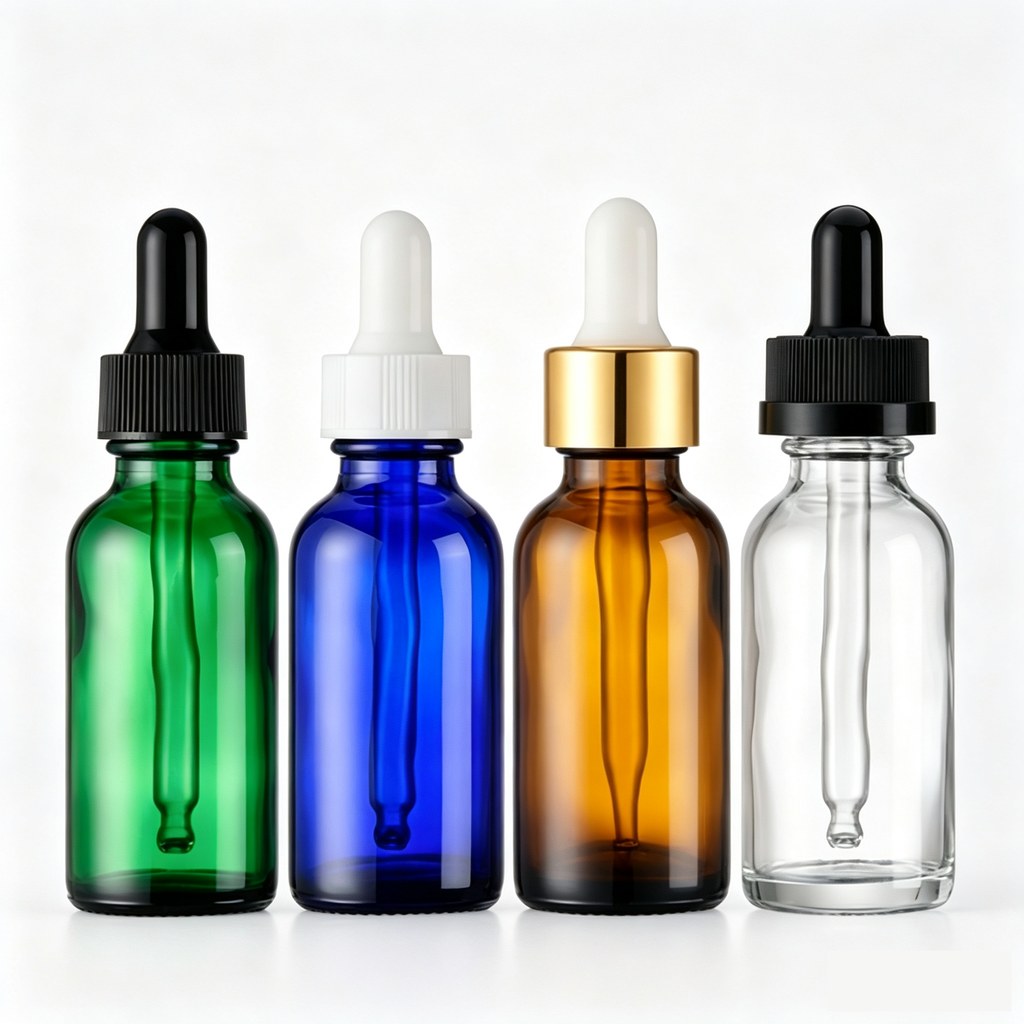
CR dropper designs, the test protocol, tincture sizes and how to verify certification.
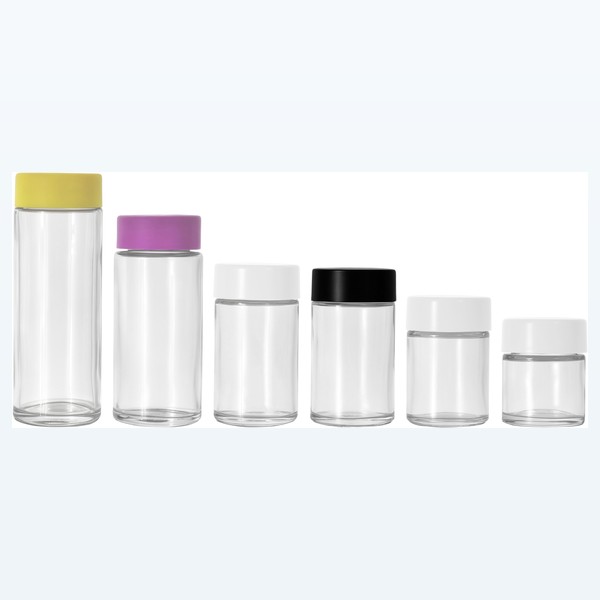
84–120 mm lengths for 0.5 g–2 g pre-rolls, CR pop-top closures and wholesale MOQ explained.
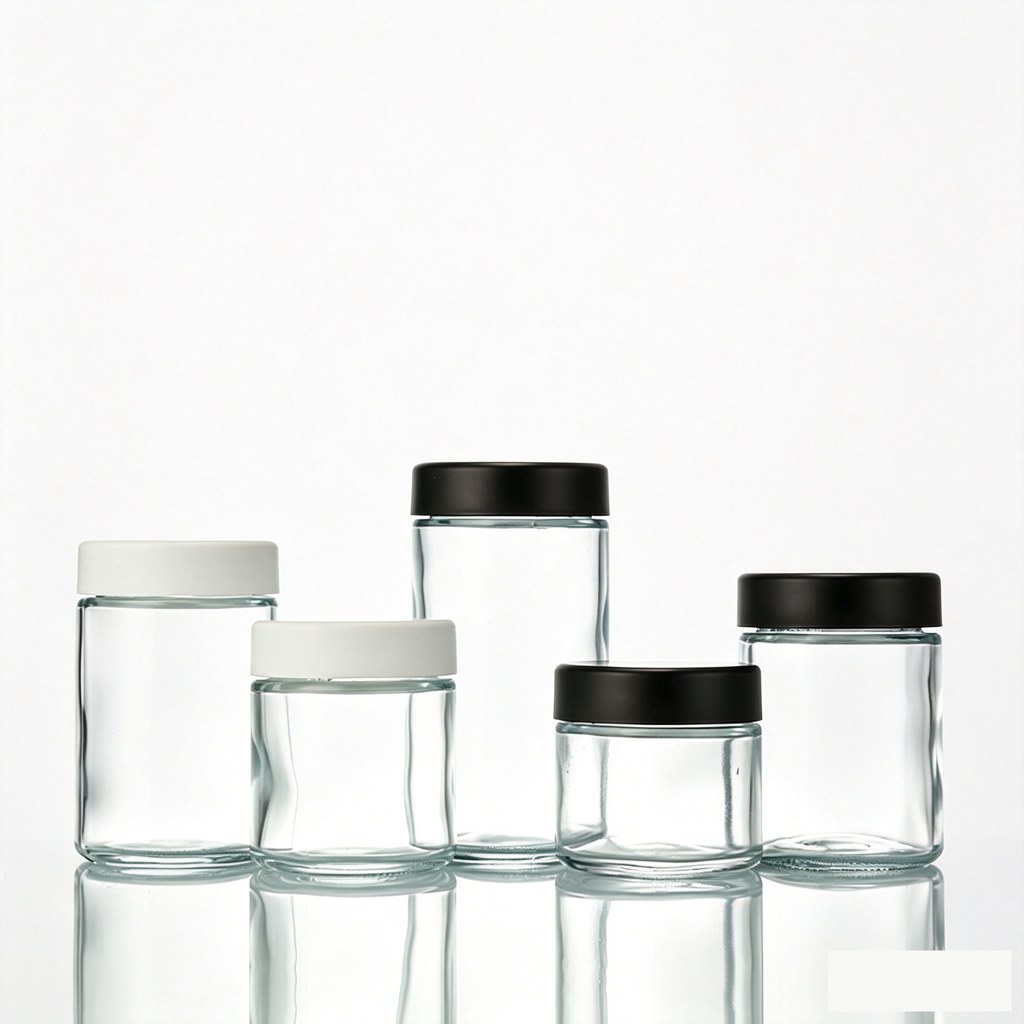
The 55–62% window, humidity packs, seal testing and what "airtight" really specifies.
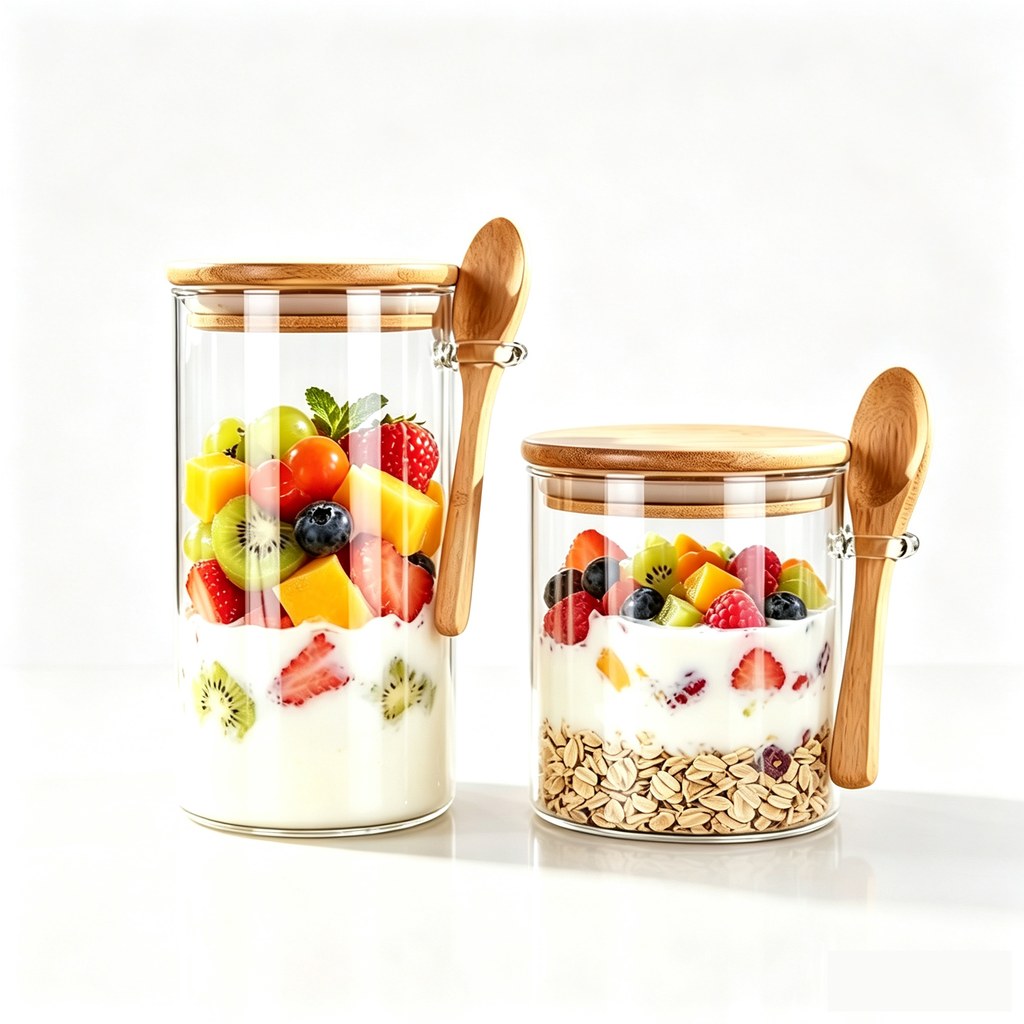
Neck finishes from 38 to 110 mm, fill and pour performance, closure cost and freight.
Raw materials, 1,550 °C melting, blow and press molding, annealing, inspection and export packing — explained for buyers.
Sizes from 5 ml to 100 ml, amber vs cobalt vs clear, child-resistant closures and neck finishes.
Product stability, barrier properties, brand perception, shipping cost and real unit economics.
What each size is really for, spray counts, crimp vs screw closures and how to plan your range.
Nine stages, the documents you need, landed cost and the five costly mistakes.
Typical minimums by product, price tiers and five ways to lower your MOQ.
Capacity vs brimful, neck finishes like 18/415, tolerances and closure fit.
16 CFR 1700, ASTM D3475 and Health Canada requirements side by side.
What the test panels measure, closure classes, and what to demand from suppliers.
Sizing, glass type, airtight seals and the North American compliance checklist.
UV protection, cost and shelf appeal compared — plus a decision framework.
Sizing, glass vs silicone, CR closures and how to cut product left in the jar.
Neck finish codes like 53-400, liner selection and how to test a seal.
A clear, repeatable process — so you always know what happens next and when your shipment leaves.
Tell us shape, capacity, quantity and decoration. We send a detailed quote within 24 hours.
Stock samples ship in 3 days; custom pre-production samples in 7–15 days, so you can test before ordering.
5 furnaces and 12 lines run your order, with automatic inspection plus SGS/ISO checks — photos and reports before shipment.
Export cartons and pallets, FOB Shanghai / Qingdao / Ningbo, or DDP straight to your warehouse.
Who we are, what we make, and how we work — the questions overseas buyers ask before their first order.
Eaglebottle is the export brand of Xuzhou Eagle Glass Co., Ltd., a large-scale glass products manufacturer and exporter based in Xuzhou, Jiangsu, China. Operating since 2008, the factory runs 5 furnaces and 12 production lines with more than 3,000 product varieties, serving brands in over 40 countries.
We manufacture eight glass packaging categories: cannabis flower jars, pre-roll tubes and vape cartridges, concentrate jars, dropper and tincture bottles, perfume bottles, reed diffuser bottles, food jars and beverage bottles. Stock molds cover most standard sizes, and custom shapes are made with dedicated tooling.
Yes. We produce custom glass from your drawing, sample or even a photo reference. Mold opening is free for standard shapes, and our design team prepares mock-ups for approval before mass production. Decoration options include silk-screen printing, hot stamping, frosted finishing, spray coating, electroplating and embossing.
The factory is SGS and ISO 9001 certified and the glass meets FDA and CE requirements for food contact. Every order passes automatic inspection on the line plus manual spot checks, and we send photos and inspection reports before shipment so you know exactly what is in the container.
Yes. Mixed sizes in one container are accepted, in-stock items ship in smaller trial quantities, and free samples are available before you commit. Our team guides first-time importers through shipping terms, packaging and documentation, with replies in English within 24 hours.
Our factory is in Xuzhou, Jiangsu Province, China, about 2 hours from Shanghai by high-speed rail. Factory visits and live video tours are welcome, so you can inspect the furnaces, production lines and quality control process yourself before placing an order.
Tell us your sizes, quantities and decoration ideas — free samples are available before you commit.
Contact Us Today